
October 9 has seen many significant events that have shaped history across various fields—politics, science, culture, and human rights. Here are ten remarkable moments that occurred on this day:
1. Che Guevara Executed – 1967
On October 9, 1967, revolutionary leader Ernesto “Che” Guevara was executed in Bolivia. Guevara had become a symbol of rebellion through his role in the Cuban Revolution and his efforts to spark similar movements in other Latin American countries. After being captured by Bolivian forces, under the direction of the CIA, he was executed, bringing an end to his guerrilla campaigns.
“Shoot, coward, you are only going to kill a man.”
— Che Guevara, moments before his execution.
2. Hoover Dam Officially Dedicated – 1936
The Hoover Dam, one of the most impressive engineering feats of the 20th century, was dedicated on October 9, 1936, by President Franklin D. Roosevelt. The dam, built on the Colorado River between Nevada and Arizona, provided much-needed water and electricity to the rapidly developing American Southwest, symbolizing American industrial power.
“The mighty waters of the Colorado River have been brought under control for the use of man.”
— President Franklin D. Roosevelt at the dedication ceremony.
3. First Transcontinental Air Mail Flight – 1920
On October 9, 1920, the first transcontinental air mail flight was completed in the United States, linking New York and San Francisco. This flight marked a new era in communication, as letters could now travel across the country much faster than by train.
“The wings of progress have brought the coasts closer than ever before.”
— Postmaster General Albert Sidney Burleson.
4. Guillotine Abolished in France – 1981
The guillotine, a symbol of the French Revolution, was officially abolished in France on October 9, 1981. The abolition marked the end of capital punishment in the country, with the execution of Hamida Djandoubi in 1977 being the last time the guillotine was used.
“France has chosen a path that values the dignity of life over the demands of death.”
— French President François Mitterrand, advocating for the abolition.
5. North Korea Tests Nuclear Weapon – 2006
On October 9, 2006, North Korea conducted its first nuclear test, prompting widespread international condemnation and increasing tensions in East Asia. This event escalated concerns about nuclear proliferation and the stability of the Korean Peninsula.
“The international community will not tolerate a nuclear North Korea.”
— U.S. President George W. Bush in response to the test.
6. The Great Chicago Fire Ends – 1871
The devastating Great Chicago Fire, which started on October 8, 1871, finally came to an end on October 9. The fire destroyed a significant portion of the city and left over 100,000 people homeless. Rebuilding efforts led to innovations in architecture and city planning that transformed Chicago into a modern metropolis.
“Chicago shall rise again, stronger than ever.”
— Chicago Mayor Joseph Medill after the fire.
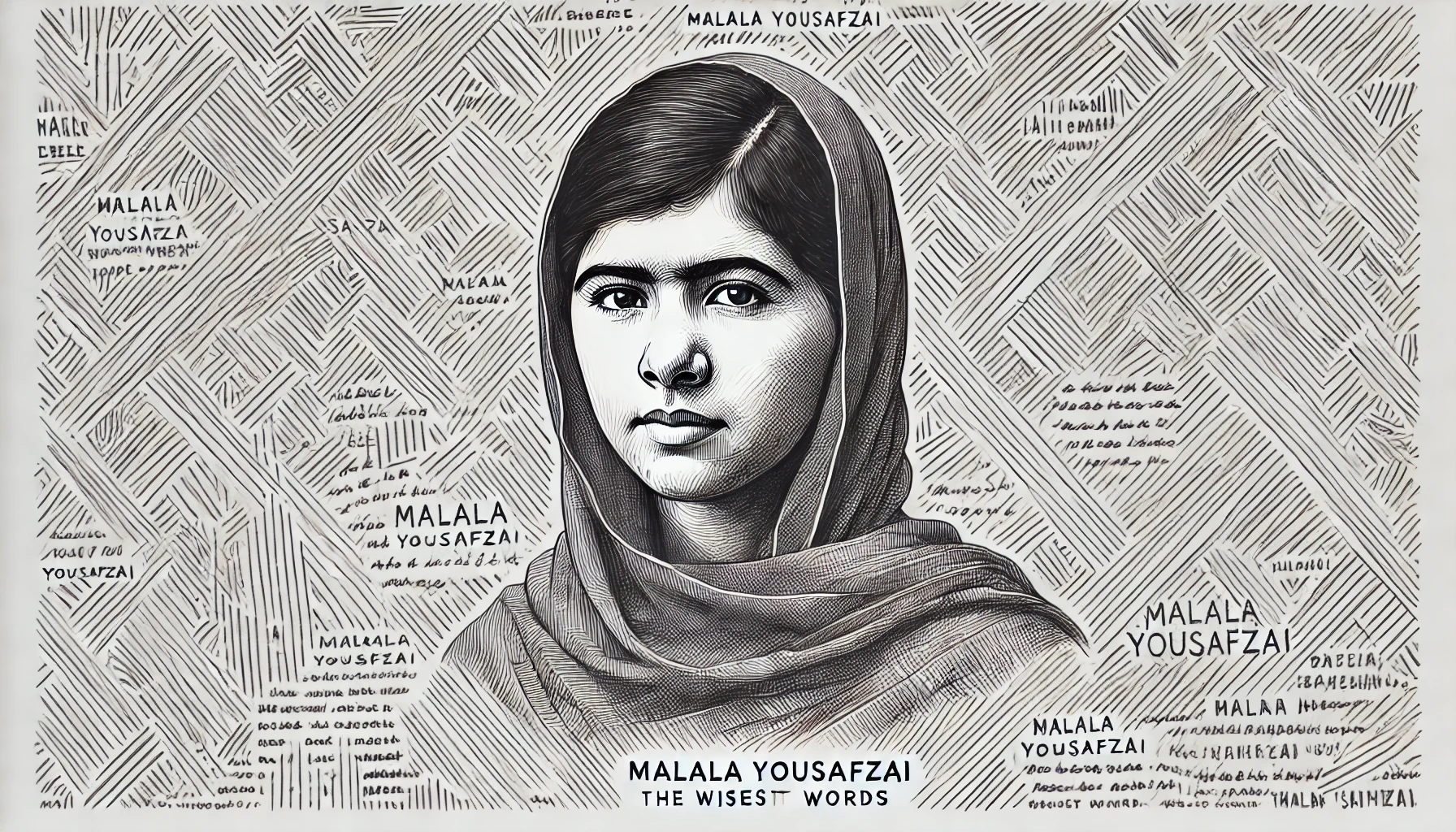
7. Nobel Peace Prize Awarded to Malala Yousafzai – 2014
On October 9, 2014, Malala Yousafzai became the youngest recipient of the Nobel Peace Prize for her advocacy of education for girls. Her campaign for educational rights began after she was shot by the Taliban in Pakistan for attending school. Her bravery has inspired millions around the world.
“Let us remember: one book, one pen, one child, and one teacher can change the world.”
— Malala Yousafzai during her Nobel Prize acceptance speech.
8. Apollo 7 Launches – 1968
Apollo 7, the first manned mission of NASA’s Apollo program, launched on October 9, 1968. This mission was crucial in testing spacecraft components in Earth’s orbit that would later be used in the Apollo 11 mission, which successfully landed humans on the moon in 1969.
“We are back in the space business, and this time to stay.”
— NASA Administrator James Webb.
9. The Collegiate Church of St. Peter in Westminster Consecrated – 1269
Also known as Westminster Abbey, the Collegiate Church of St. Peter in Westminster was consecrated on October 9, 1269. The abbey has since become one of the most famous religious buildings in the world, serving as the coronation church for British monarchs and the site of numerous royal weddings and burials.
“This is where the soul of a nation finds its expression.”
— Winston Churchill, reflecting on the significance of Westminster Abbey.
10. Yale University Founded – 1701
On October 9, 1701, the Collegiate School, which would later become Yale University, was founded in Connecticut. Over time, Yale grew to become one of the most prestigious institutions of higher learning in the world, playing a significant role in shaping American education and leadership.
“Lux et Veritas — Light and Truth shall guide us.”
— Yale University’s motto.
These ten incredible events reflect the range of human achievement, from revolutionary leadership and groundbreaking engineering to cultural landmarks and scientific progress. Each event has left its mark on history, and October 9 continues to be a day of significance across the world.
Leave a Reply
You must be logged in to post a comment.