
October 21 has witnessed pivotal moments in history, from military victories to technological breakthroughs and social progress. Here are 12 significant events that took place on this day, with only real quotes included.
1520: Ferdinand Magellan Enters the Strait of Magellan
On October 21, 1520, Portuguese explorer Ferdinand Magellan became the first European to navigate the treacherous waters at the southern tip of South America, now known as the Strait of Magellan. This route provided a direct passage between the Atlantic and Pacific Oceans, marking a significant milestone in global exploration.
“The Church says the earth is flat, but I know that it is round, for I have seen the shadow on the moon, and I have more faith in a shadow than in the Church.”
— Ferdinand Magellan.
1805: The Battle of Trafalgar
On October 21, 1805, Admiral Horatio Nelson led the British Royal Navy to a decisive victory over the combined fleets of France and Spain at the Battle of Trafalgar. The battle solidified Britain’s naval dominance and prevented Napoleon’s invasion plans. Nelson died in battle, becoming a British national hero.
“Thank God I have done my duty.”
— Admiral Horatio Nelson, before his death.
1879: Thomas Edison Invents the Electric Light Bulb
On October 21, 1879, Thomas Edison successfully tested his first practical incandescent light bulb, which would revolutionize the world. His invention paved the way for widespread electric lighting and fundamentally changed how people lived and worked.
“I have not failed. I’ve just found 10,000 ways that won’t work.”
— Thomas Edison, reflecting on his perseverance in inventing the light bulb.
1805: Admiral Nelson Dies During the Battle of Trafalgar
Admiral Horatio Nelson, the hero of the Battle of Trafalgar, died aboard his flagship HMS Victory after being shot during the battle. Despite his death, his leadership ensured a British victory that would shape European history.
“Kiss me, Hardy.”
— Admiral Horatio Nelson’s last words, spoken to his flag captain, Thomas Hardy.
1945: Women in France Win the Right to Vote
On October 21, 1945, French women voted in a national election for the first time. After years of activism and struggle, this moment marked a milestone in the global fight for gender equality and the advancement of democratic rights.
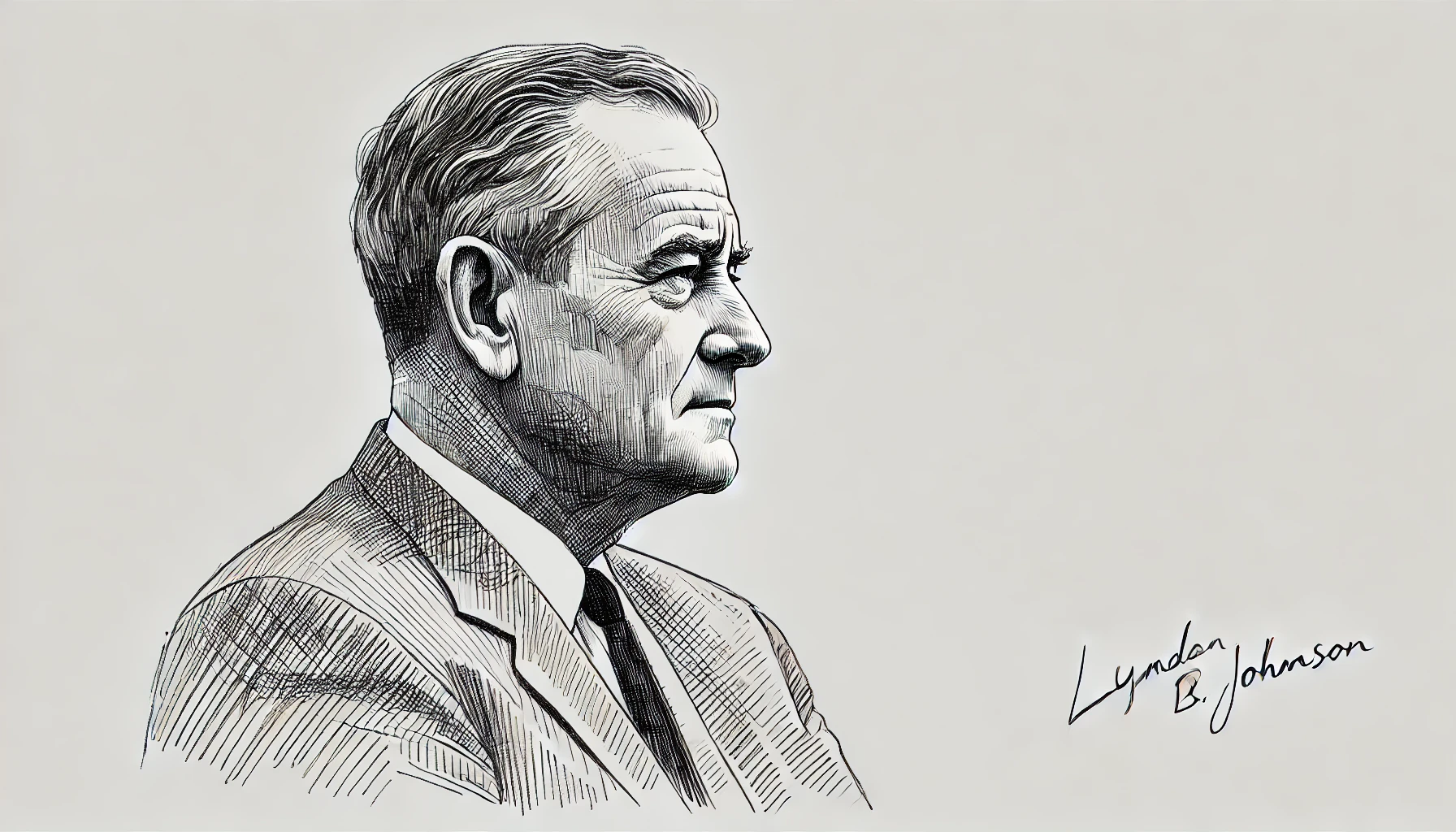
“The vote is the most powerful instrument ever devised by man for breaking down injustice and destroying the terrible walls which imprison men because they are different from other men.”
— Lyndon B. Johnson (though this is a later quote, it resonates with the struggle for suffrage around the world).
1960: The First British Nuclear Submarine Launched
On October 21, 1960, the HMS Dreadnought, Britain’s first nuclear-powered submarine, was launched. This marked the United Kingdom’s entry into the nuclear naval race and a new era in Cold War military technology.
“The strength of the Royal Navy is not in its steel, but in the dedication of the men and women who serve beneath its flag.”
— British naval officer, reflecting on the significance of the launch.
1967: Vietnam War Protest: The March on the Pentagon
On October 21, 1967, more than 100,000 anti-war demonstrators gathered in Washington, D.C., to protest U.S. involvement in the Vietnam War. The March on the Pentagon was one of the most significant protests of the era, symbolizing growing public opposition to the conflict.
“This is no longer a war of defense; it is a war of aggression, and it must be ended.”
— Anti-war demonstrator at the protest.
1959: The Solomon R. Guggenheim Museum Opens
On October 21, 1959, the Solomon R. Guggenheim Museum in New York City, designed by architect Frank Lloyd Wright, opened to the public. The museum’s innovative design became an architectural landmark, showcasing modern and contemporary art.
“Architecture should speak of its time and place, but yearn for timelessness.”
— Frank Lloyd Wright.
1921: President Harding Declares End to U.S. Participation in World War I
On October 21, 1921, President Warren G. Harding officially declared an end to U.S. involvement in World War I. While the war had concluded in 1919, the U.S. needed additional steps to formally end its participation in the conflict.
“America’s present need is not heroics but healing; not nostrums but normalcy; not revolution but restoration.”
— President Warren G. Harding.
1966: Aberfan Disaster
On October 21, 1966, a coal waste tip collapsed and buried a school in the Welsh village of Aberfan, killing 144 people, including 116 children. The disaster shocked the nation and led to significant changes in industrial safety regulations.
“In the darkness, we searched for hope, but the weight of loss was too great. We remember them, the children of Aberfan, whose lives were taken too soon.”
— Survivor of the Aberfan disaster.
2003: Final Flight of Concorde
On October 21, 2003, the Concorde made its final commercial flight, bringing an end to the era of supersonic passenger travel. Known for its speed and luxury, Concorde symbolized innovation and engineering excellence for nearly three decades.
“The Concorde is not just a plane; it is a triumph of human ingenuity, of pushing the boundaries of what is possible. Today, we say farewell to an icon.”
— British Airways representative.
2015: Justin Trudeau Elected as Prime Minister of Canada
On October 21, 2015, Justin Trudeau was elected Prime Minister of Canada, leading the Liberal Party to a decisive victory. His election represented a generational shift in Canadian politics, focusing on progressive policies and social inclusion.
“This victory is not for me, but for all Canadians who believe that we can build a better future—one of hope, of equality, and of opportunity.”
— Justin Trudeau, after his election victory.
Leave a Reply
You must be logged in to post a comment.