
1287: St. Lucia’s Flood Devastates the Netherlands
On December 14, 1287, the St. Lucia’s Flood struck the Netherlands and northern Germany, killing over 50,000 people and altering the coastline permanently. It remains one of the deadliest floods in European history.
“Calamity is the touchstone of a brave mind.”
~ Michel de Montaigne
Source: Essays, 1580
1542: Mary, Queen of Scots, Becomes Monarch
On December 14, 1542, Mary Stuart, only six days old, became Queen of Scotland following the death of her father, King James V. Her life and reign were marked by intrigue and tragedy.
“The crown is not always the symbol of power, but often a burden of duty.”
~ Edmund Burke
Source: Burke’s reflections on governance, 1770
1819: Alabama Joins the Union
On December 14, 1819, Alabama became the 22nd state of the United States, playing a pivotal role in shaping the nation’s agricultural and industrial development.
“A state is great not because of its size, but because of the character of its people.”
~ Alexis de Tocqueville
Source: Democracy in America, 1835
1861: Prince Albert, Consort of Queen Victoria, Dies
On December 14, 1861, Prince Albert, the beloved consort of Queen Victoria, passed away at age 42. His death plunged the Queen into lifelong mourning, leaving a legacy of devotion and reform.
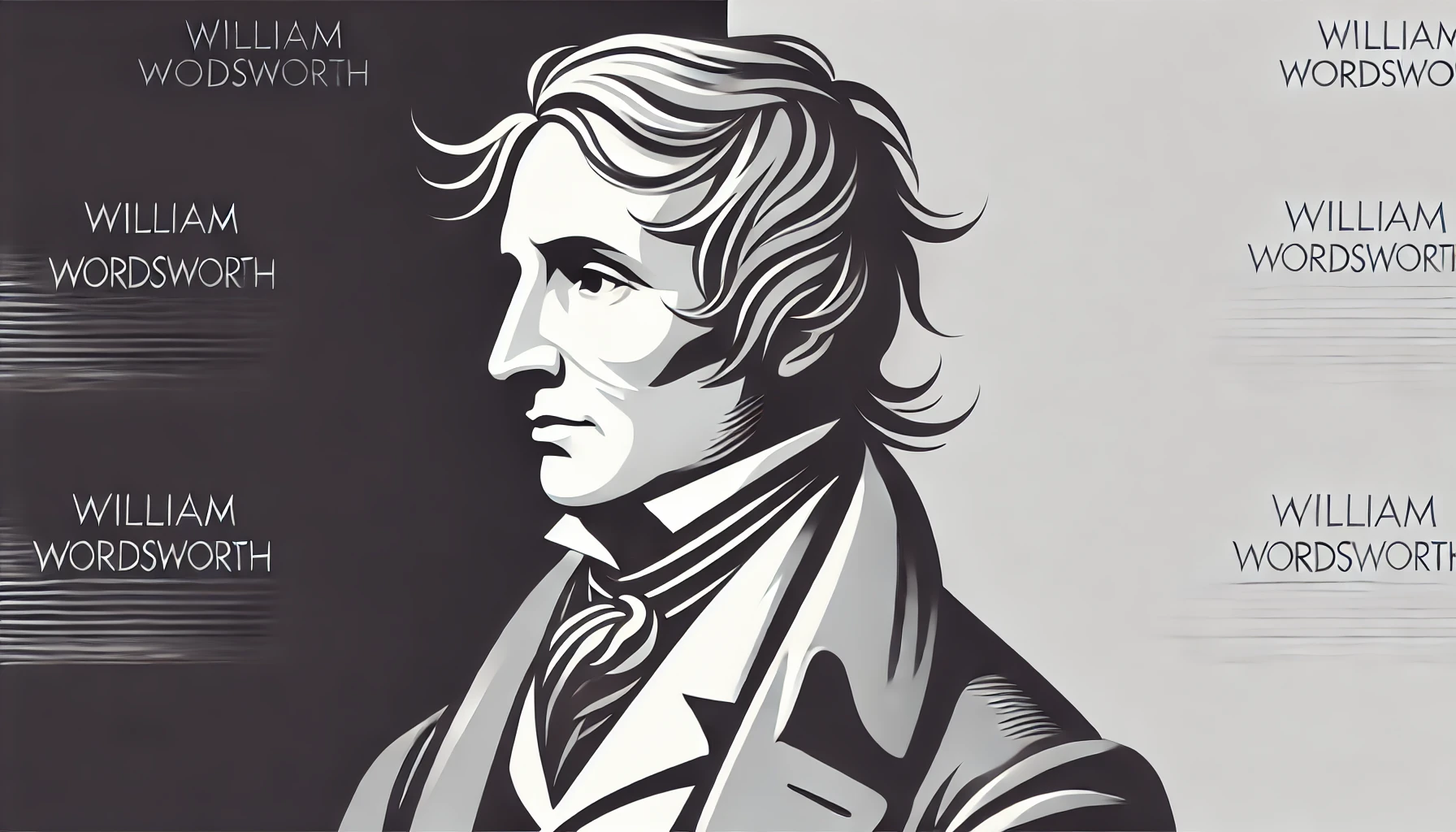
“The best portion of a good man’s life is his little, nameless, unremembered acts of kindness and love.”
~ William Wordsworth
Source: Lines Composed a Few Miles Above Tintern Abbey, 1798
1911: Roald Amundsen Reaches the South Pole
On December 14, 1911, Norwegian explorer Roald Amundsen and his team became the first humans to reach the South Pole, triumphing over extreme conditions and narrowly beating Robert Falcon Scott’s British expedition.
“The secret of success is constancy to purpose.”
~ Benjamin Disraeli
Source: Disraeli’s speeches, 1859
1920: Establishment of the Permanent Court of International Justice
On December 14, 1920, the Permanent Court of International Justice, later succeeded by the International Court of Justice, was established to mediate disputes between nations and promote global peace.
“Justice is truth in action.”
~ Benjamin Disraeli
Source: Disraeli’s writings on governance, 1850
1947: NASCAR is Founded
On December 14, 1947, NASCAR was officially founded in Daytona Beach, Florida, creating a governing body for stock car racing and laying the foundation for a beloved American motorsport tradition.
“In racing, as in life, speed is nothing without control.”
~ Jackie Stewart
Source: Stewart’s reflections on motorsport, 1972
1972: Eugene Cernan Becomes the Last Person to Walk on the Moon
On December 14, 1972, astronaut Eugene Cernan of Apollo 17 became the last human to walk on the Moon. His words reflected hope for future space exploration.
“Man must rise above the Earth—to the top of the atmosphere and beyond—for only thus will he fully understand the world in which he lives.”
~ Socrates
Source: Attributed in ancient philosophical traditions
1985: Wilma Mankiller Becomes the First Female Principal Chief of the Cherokee Nation
On December 14, 1985, Wilma Mankiller was inaugurated as the first female Principal Chief of the Cherokee Nation, breaking barriers and advancing rights for Indigenous communities.
“We must trust our own thinking. Trust where we’re going. And get the job done.”
~ Wilma Mankiller
Source: Mankiller’s autobiography, 1993
2012: NASA Confirms Voyager 1 Entered Interstellar Space
On December 14, 2012, NASA confirmed that Voyager 1, launched in 1977, had entered interstellar space, making it the first human-made object to leave the solar system.
“Exploration is the engine that drives innovation. Innovation drives economic growth. So let’s all go exploring.”
~ Edith Widder
Source: Widder’s essays on exploration, 2009
Leave a Reply
You must be logged in to post a comment.