
1431: Henry VI Crowned King of France
On December 16, 1431, Henry VI of England was crowned King of France in Notre-Dame Cathedral in Paris under the Treaty of Troyes. This symbolic act sought to unify the thrones of England and France.
“The crown weighs heavy when unity is its price.”
~ Henry VI
Source: Chronicles of Jean de Waurin, 15th century
1598: The Edict of Nantes is Proclaimed
On December 16, 1598, King Henry IV of France issued the Edict of Nantes, granting religious freedom to French Protestants, or Huguenots, in an attempt to end decades of religious wars.
“Tolerance is the strength of a kingdom, for in its shadow, peace may grow.”
~ Henry IV
Source: Henry IV’s royal decrees, 1598
1653: The Instrument of Government is Adopted
On December 16, 1653, England adopted the Instrument of Government, the first written constitution in English history, appointing Oliver Cromwell as Lord Protector.
“Good governance is the safeguard of liberty; tyranny flourishes when the law is silent.”
~ Oliver Cromwell
Source: Cromwell’s addresses, 1654
1770: Birth of Ludwig van Beethoven
On December 16, 1770, Ludwig van Beethoven, one of the most influential composers in history, was born in Bonn, Germany. His works remain cornerstones of Western classical music.
“Music is the mediator between the spiritual and the sensual life.”
~ Ludwig van Beethoven
Source: Beethoven’s letters, 1810
1864: Union Victory at the Battle of Nashville
On December 16, 1864, Union forces under General George H. Thomas defeated the Confederate Army of Tennessee, effectively ending major Confederate resistance in the western theater.
“Courage is not the absence of fear but the triumph over it.”
~ Frederick Douglass
Source: Douglass’ writings, 1864
1897: First Ascent of Mount Erebus in Antarctica
On December 16, 1897, explorers led by Carsten Borchgrevink reached the summit of Mount Erebus, the southernmost active volcano on Earth.
“Exploration is a journey into the unknown, a call to the daring spirit within us.”
~ Carsten Borchgrevink
Source: Borchgrevink’s expedition journal, 1897
1944: The Battle of the Bulge Begins
On December 16, 1944, German forces launched a surprise counteroffensive in the Ardennes region, beginning the Battle of the Bulge, one of the bloodiest battles of World War II.
“In every battle, there comes a time when both sides consider themselves beaten. He who continues the attack wins.”
~ Ulysses S. Grant
Source: Grant’s military memoirs, 1885
1965: Gemini 6 and Gemini 7 Complete First Manned Space Rendezvous
On December 16, 1965, NASA achieved the first manned space rendezvous between Gemini 6A and Gemini 7, marking a milestone in the development of human spaceflight.
“In the vastness of space, humanity’s ingenuity brings us closer, proving we can achieve the impossible.”
~ Frank Borman
Source: Gemini mission transcripts, 1965
1991: Kazakhstan Declares Independence from the Soviet Union
On December 16, 1991, Kazakhstan declared its independence, becoming the last Soviet republic to break away and marking the official end of the USSR.
“Independence is the foundation upon which a nation builds its identity and dreams.”
~ Nursultan Nazarbayev
Source: Nazarbayev’s independence declaration, 1991
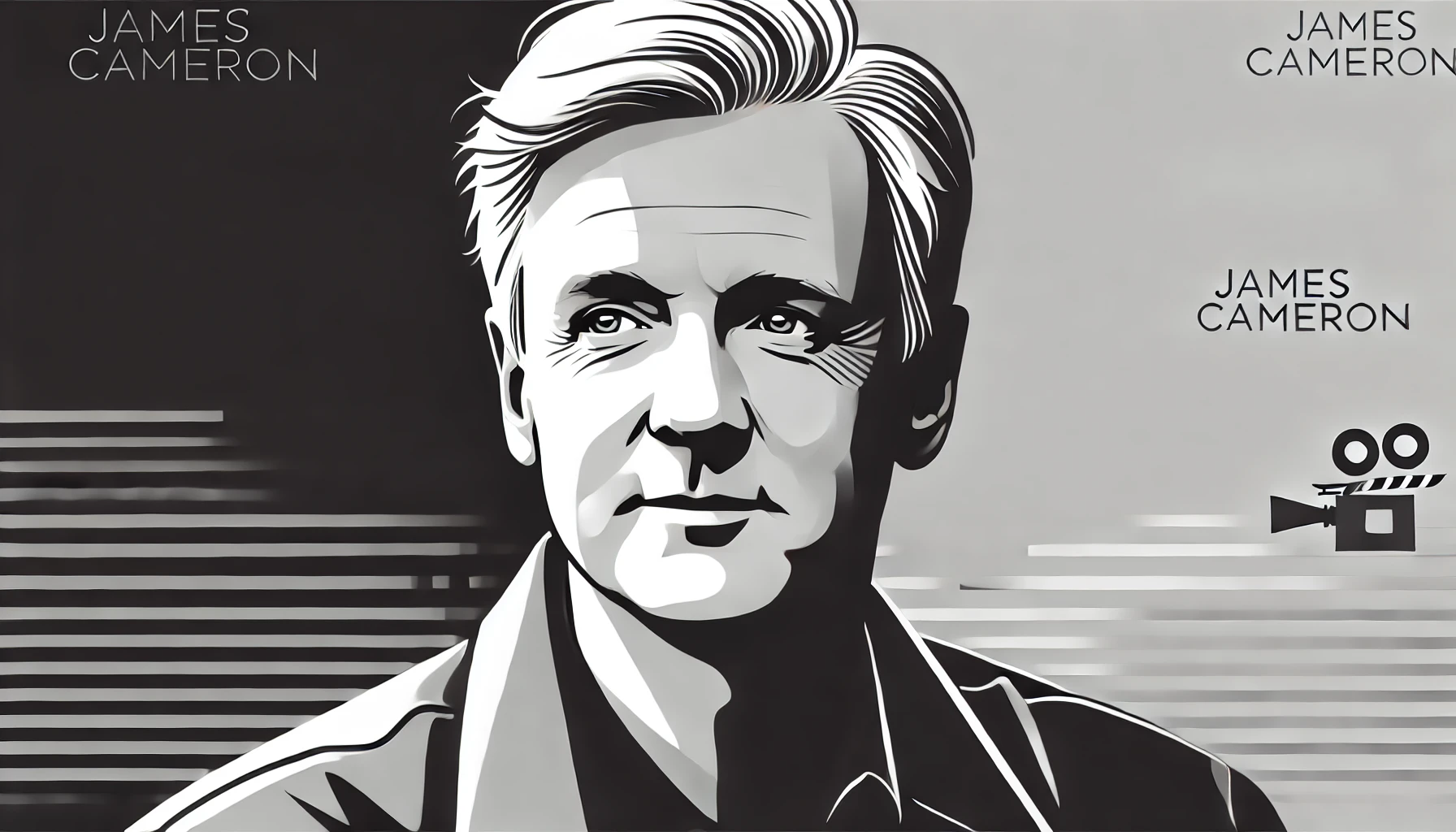
2009: Avatar Becomes the Highest-Grossing Film of All Time
On December 16, 2009, James Cameron’s Avatar premiered worldwide, eventually becoming the highest-grossing film of all time and revolutionizing the use of 3D technology in cinema.
“If you set your goals ridiculously high and it’s a failure, you will fail above everyone else’s success.”
~ James Cameron
Source: Cameron’s interviews, 2010
Leave a Reply
You must be logged in to post a comment.