
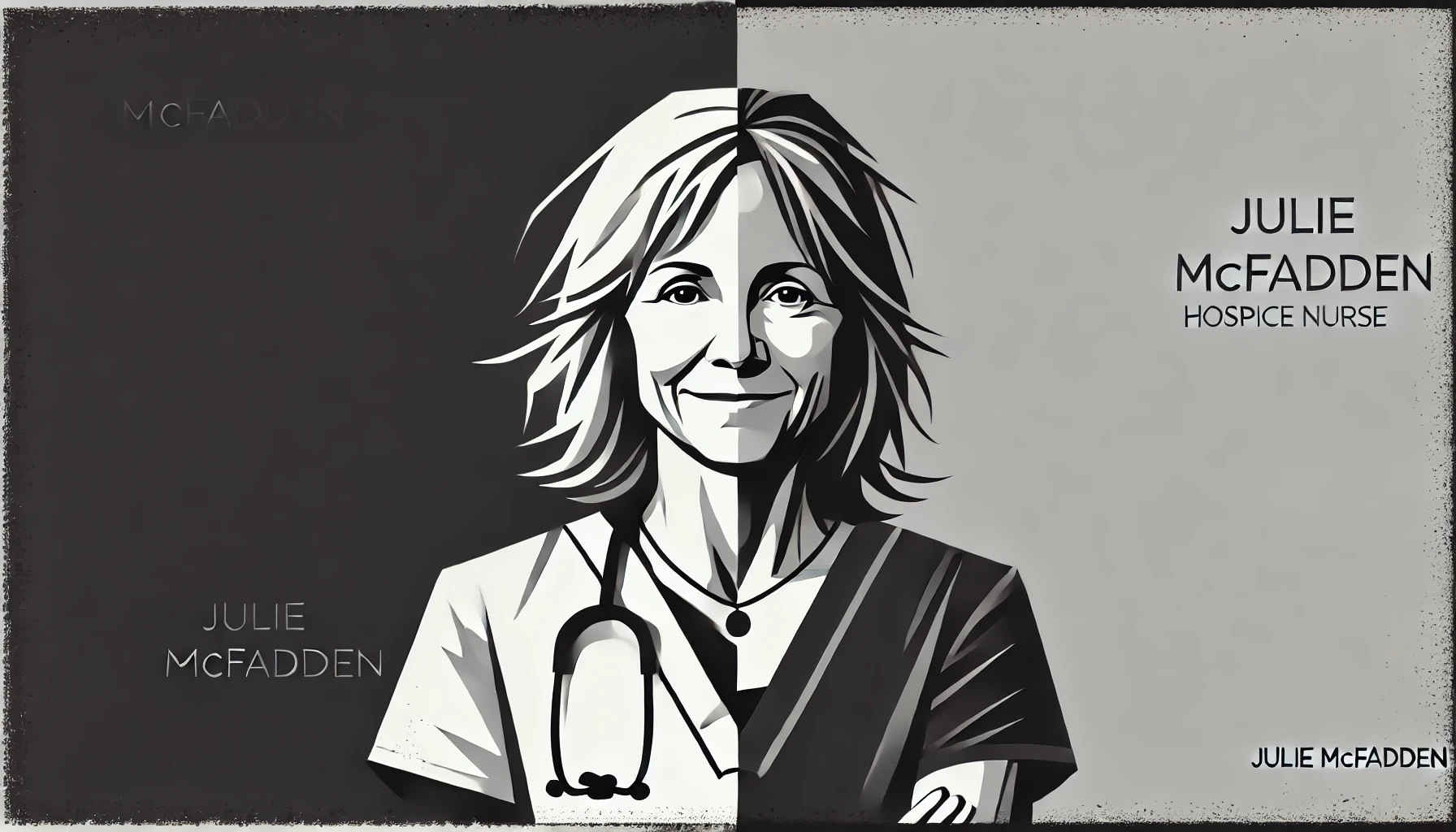
Introduction: Embracing Mortality to Enhance Life
Nothing to Fear: Demystifying Death to Live More Fully by Julie McFadden, a hospice and palliative care nurse with over fifteen years of experience, offers a compassionate guide to understanding and accepting the end-of-life journey. Drawing from her extensive background, McFadden—known as “Hospice Nurse Julie” on social media—aims to normalize conversations about death, reduce associated anxieties, and provide practical advice for patients and caregivers. By confronting the realities of mortality, she argues, individuals can lead richer, more intentional lives.
“What if we didn’t consider death the worst possible outcome?”
~ Julie McFadden
Chapter 1: The Importance of Open Conversations About Death
McFadden emphasizes that avoiding discussions about death can amplify fear and prevent meaningful end-of-life preparations. She advocates for candid conversations to foster acceptance and peace.
Key Lessons:
- Normalizing Mortality: Open dialogues about death can diminish fear and promote a healthier perspective on life’s finite nature.
- Informed Decision-Making: Transparent discussions enable individuals to make choices that align with their values and desires.
- Emotional Preparedness: Addressing mortality helps families process emotions and find closure.
“Avoiding conversations about death neither delays its certainty nor makes the process any less complex.”
~ Julie McFadden
Chapter 2: Understanding the Biological Process of Dying
McFadden provides an overview of the physiological changes that occur as the body approaches death, aiming to demystify the process and alleviate fear.
Key Insights:
- Natural Progression: Dying involves predictable biological stages that can be anticipated and managed.
- Common Experiences: Phenomena such as decreased appetite, altered breathing patterns, and reduced consciousness are typical.
- Comfort Measures: Understanding these changes allows caregivers to provide appropriate comfort and support.
“By understanding the dying process, we can approach it with less fear and more compassion.”
~ Julie McFadden
Chapter 3: The Role of Hospice and Palliative Care
The author explains the benefits of hospice and palliative care services in providing holistic support to patients and families during the end-of-life journey.
Key Points:
- Comprehensive Support: Hospice offers medical, emotional, and spiritual care tailored to the patient’s needs.
- Quality of Life Focus: Emphasis is placed on comfort and dignity rather than curative treatments.
- Myth Dispelling: McFadden addresses common misconceptions, clarifying that hospice is about enhancing life, not hastening death.
“Hospice care is not about giving up; it’s about choosing how you want to live at the end of your life.”
~ Julie McFadden
Chapter 4: Navigating Medical Interventions
McFadden discusses which medical interventions are beneficial during end-of-life care and which may cause unnecessary suffering.
Key Considerations:
- Evaluating Treatments: Assess whether interventions align with the patient’s goals and quality of life.
- Informed Choices: Understanding the implications of procedures like feeding tubes or resuscitation can guide decisions.
- Avoiding Over-Treatment: Sometimes, less aggressive care leads to a more peaceful end-of-life experience.
“Not all medical interventions contribute to a better quality of life; some may prolong suffering.”
~ Julie McFadden
Chapter 5: Deathbed Phenomena and Their Significance
The book explores common experiences reported near death, such as visions or sensing the presence of deceased loved ones, and their comforting roles.
Key Insights:
- Common Occurrences: Many patients report similar experiences, suggesting they are a natural part of dying.
- Providing Comfort: These phenomena often bring peace to the dying and their families.
- Respecting Experiences: Acknowledging and validating these occurrences can aid in the emotional transition.
“Deathbed phenomena remind us that dying is a profound, deeply personal experience.”
~ Julie McFadden
Chapter 6: Practical Preparations for End-of-Life
McFadden offers guidance on the logistical aspects of preparing for death, including legal, financial, and personal matters.
Key Recommendations:
- Advance Directives: Establish living wills and healthcare proxies to ensure wishes are honored.
- Organizing Affairs: Address financial matters, wills, and other documents to ease the burden on loved ones.
- Personal Reflections: Consider writing letters or creating memories to leave a lasting legacy.
“Practical preparations are acts of love that provide clarity and comfort to those we leave behind.”
~ Julie McFadden
Chapter 7: Essential Conversations Before Death
The author emphasizes the importance of discussing end-of-life wishes, values, and preferences with loved ones to ensure they are respected.
Key Discussions:
- Values and Priorities: Share what matters most to guide decision-making.
- Medical Preferences: Clearly articulate desires regarding treatments and interventions.
- After-Death Wishes: Discuss preferences for funerals, memorials, and body disposition.
“Having these conversations now alleviates uncertainty and ensures your wishes are known.”
~ Julie McFadden
Chapter 8: Understanding Grief Before and After Death
McFadden delves into the grieving process, acknowledging that it begins before death and continues afterward, offering strategies for coping.
Key Insights:
- Anticipatory Grief: Recognize and validate the grief experienced before a loved one’s death.
- Individual Journeys: Understand that grief is personal, with no right or wrong way to experience it.
- Seeking Support: Encourage utilizing counseling, support groups, or community resources.
“Grief is not a problem to be solved but a process to be lived.”
~ Julie McFadden
Chapter 9: Embracing Mortality to Live Fully
The concluding chapter encourages readers to accept the inevitability of death as a means to enrich their lives, fostering intentionality and appreciation.
Key Takeaways:
- Living with Intention: Awareness of mortality can inspire a more purposeful life.
- Reducing Fear: Acceptance diminishes anxiety, allowing for deeper connections and experiences.
- Legacy Building: Consider the impact you wish to have and the memories you want to create.
“Embracing our mortality empowers us to live more fully and authentically.”
~ Julie McFadden
Key Takeaways from Nothing to Fear
- Open Dialogue Reduces Fear: Discussing death openly can alleviate anxiety and promote acceptance.
- Understanding the Dying Process: Knowledge of end-of-life stages demystifies the experience.
- Hospice Enhances Quality of Life: Embracing palliative care focuses on comfort and dignity.
- Informed Medical Choices Are Crucial: Thoughtful decisions about interventions prevent unnecessary suffering.
- Practical Preparations Provide Peace: Organizing legal and personal matters eases the transition for all involved.
Conclusion: Transforming Fear into Acceptance
Julie McFadden’s Nothing to Fear closes with a powerful reminder that facing mortality head-on allows us to live with greater purpose, clarity, and peace. By removing the stigma and silence surrounding death, we can transform it from a source of fear into a meaningful, natural transition. McFadden encourages readers to approach death not as an enemy to be avoided but as a profound part of life to be acknowledged and respected.
She urges families to normalize conversations about end-of-life preferences, make practical preparations, and prioritize emotional connections. Through education, emotional readiness, and openness, McFadden believes we can improve the way society approaches death and dying.
“Accepting death doesn’t mean giving up—it means letting go of fear so we can focus on what truly matters.”
~ Julie McFadden
Key Lessons from Nothing to Fear
- Knowledge Reduces Fear: Understanding the biological and emotional aspects of dying helps eliminate anxiety.
- Conversations Bring Clarity: Open dialogues about death ensure that wishes are known and respected.
- Preparedness Offers Peace: Addressing practical matters like wills and advance directives relieves stress for families.
- Support Matters: Hospice and palliative care prioritize dignity, comfort, and emotional well-being.
- Living Fully Requires Acceptance: Embracing mortality enhances appreciation for life and relationships.
This summary highlights Julie McFadden’s compassionate and practical approach to preparing for the end of life. Through personal stories and professional insights, Nothing to Fear encourages readers to let go of fear, confront death with courage, and use this awareness to live richer, more intentional lives.
Leave a Reply
You must be logged in to post a comment.