
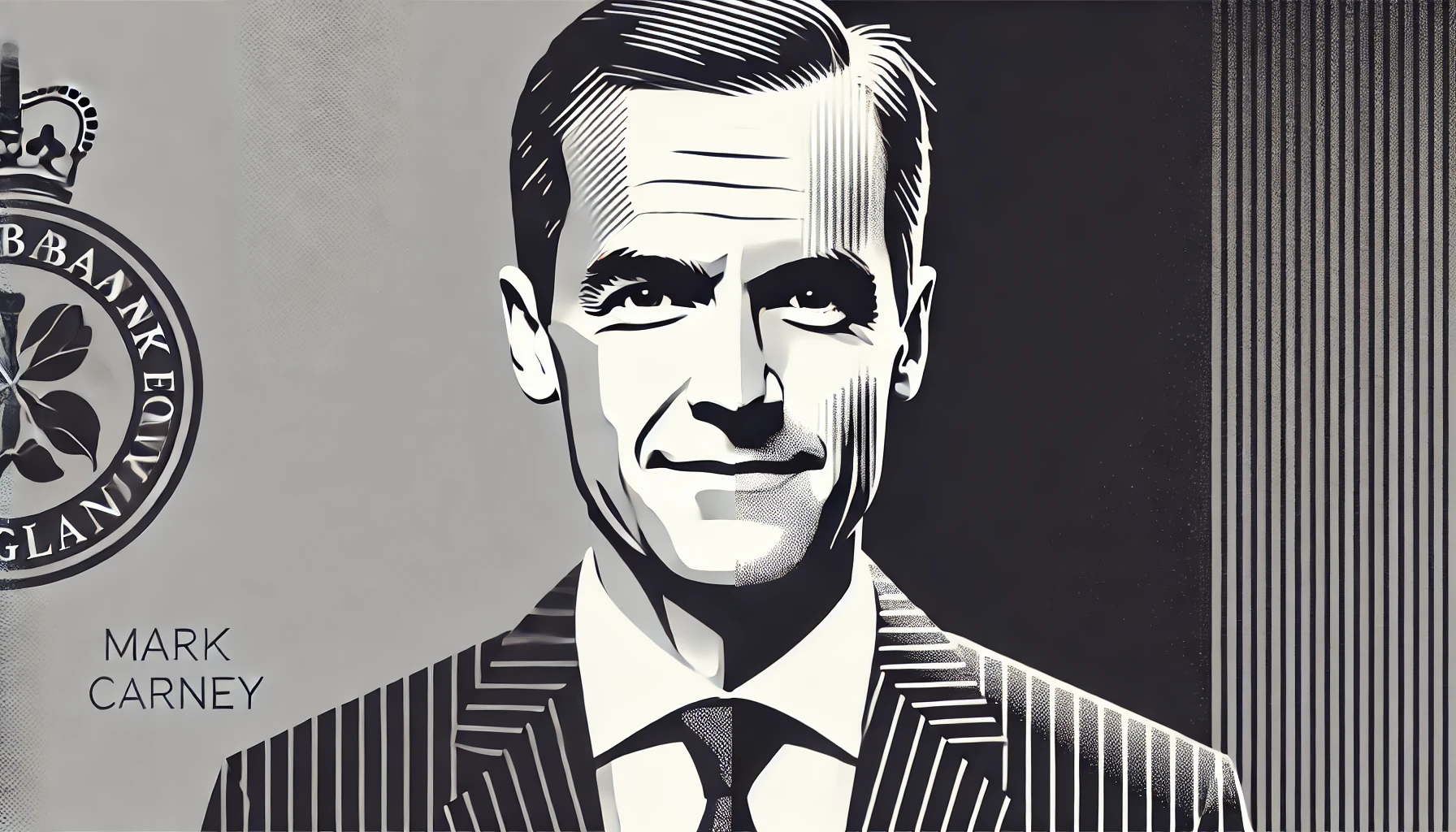
Introduction: Reconnecting Value with Values
In Value(s), Mark Carney, former Governor of the Bank of England, examines the disconnect between economic value and societal values. He argues that recent crises—the 2008 financial crash, the COVID-19 pandemic, and climate change—highlight the need to realign market mechanisms with ethical considerations to build a more equitable and sustainable world.
“We need to turn the grappa back into wine; to turn the market back into humanity.”
~ Mark Carney
Part 1: The Evolution of Value
Carney traces the historical development of value, from early economic theories to modern financial systems. He discusses how the concept of value has shifted from intrinsic worth to market-determined prices, often neglecting broader societal impacts.
**Key Lessons:**
- Historical Perspectives: Early economists like Adam Smith emphasized moral sentiments alongside market mechanisms.
- Shift to Market Fundamentalism: Over time, markets became viewed as ends in themselves, sidelining ethical considerations.
- Need for Rebalancing: Reintegrating societal values into economic systems is essential for addressing current global challenges.
“Markets are meant to serve humanity, not the other way around.”
~ Mark Carney
Part 2: The Three Crises of Value
Carney analyzes three major crises—the Global Financial Crisis, the COVID-19 pandemic, and the Climate Crisis—to illustrate the consequences of misaligned values.
**Global Financial Crisis:**
- Root Cause: Excessive risk-taking and short-termism in financial markets.
- Consequences: Economic downturn, loss of trust in financial institutions.
- Lesson: The need for greater responsibility and long-term thinking in finance.
**COVID-19 Pandemic:**
- Exposure of Inequalities: The pandemic highlighted societal disparities and the undervaluation of essential services.
- Global Response: Demonstrated the importance of solidarity and collective action.
- Lesson: Societal resilience depends on valuing health, equity, and preparedness.
**Climate Crisis:**
- Urgency: Climate change poses an existential threat requiring immediate action.
- Market Failure: Current markets fail to price environmental degradation accurately.
- Lesson: Sustainable practices must be integrated into economic systems to mitigate climate risks.
“The climate crisis is the Tragedy of the Horizon.”
~ Mark Carney
Part 3: Reclaiming Our Values
Carney proposes a framework for embedding societal values into economic and financial systems to create a more inclusive and sustainable future.
**Leadership and Purpose:**
- Purpose-Driven Organizations: Companies should define their purpose beyond profit maximization.
- Ethical Leadership: Leaders must embody and promote values that align with societal well-being.
“Great leaders are those who can connect the purpose of their organization to the broader public interest.”
~ Mark Carney
**Investing for Value:**
- Sustainable Investing: Allocating capital to environmentally and socially responsible projects.
- Long-Term Focus: Investors should prioritize long-term value creation over short-term gains.
“Finance needs to serve society, not the other way around.”
~ Mark Carney
**Building Value for All:**
- Inclusive Growth: Economic policies should aim to reduce inequalities and promote shared prosperity.
- Global Cooperation: Addressing global challenges requires coordinated efforts and multilateralism.
“We must move from market economies to market societies.”
~ Mark Carney
Conclusion: A Call to Action
Carney concludes by urging individuals, businesses, and governments to realign their values with the common good. He emphasizes that by restoring the balance between market values and human values, society can address current crises and build a resilient future.
“We have the chance to build a world that is more equal, more resilient, and more sustainable.”
~ Mark Carney
Key Takeaways
- Historical Context: Understanding the evolution of value helps identify current misalignments between markets and societal well-being.
- Crisis Lessons: Recent global crises underscore the need to integrate ethical considerations into economic systems.
- Purpose-Driven Leadership: Organizations should define and act upon purposes that contribute positively to society.
- Sustainable Investing: Redirecting capital towards sustainable initiatives is crucial for long-term prosperity.
- Inclusive Policies: Economic growth should be inclusive, reducing inequalities and benefiting all members of society.
- Global Collaboration: Tackling global challenges like climate change requires coordinated international efforts.
- Realigning Values: Restoring the connection between market mechanisms and human values is essential for building a better world.
“It’s time to put values at the heart of value creation.”
~ Mark Carney
Note: This summary is based on Mark Carney’s book “Value(s): Building a Better World for All” and incorporates insights from various analyses and reviews.
Leave a Reply
You must be logged in to post a comment.