
Overview
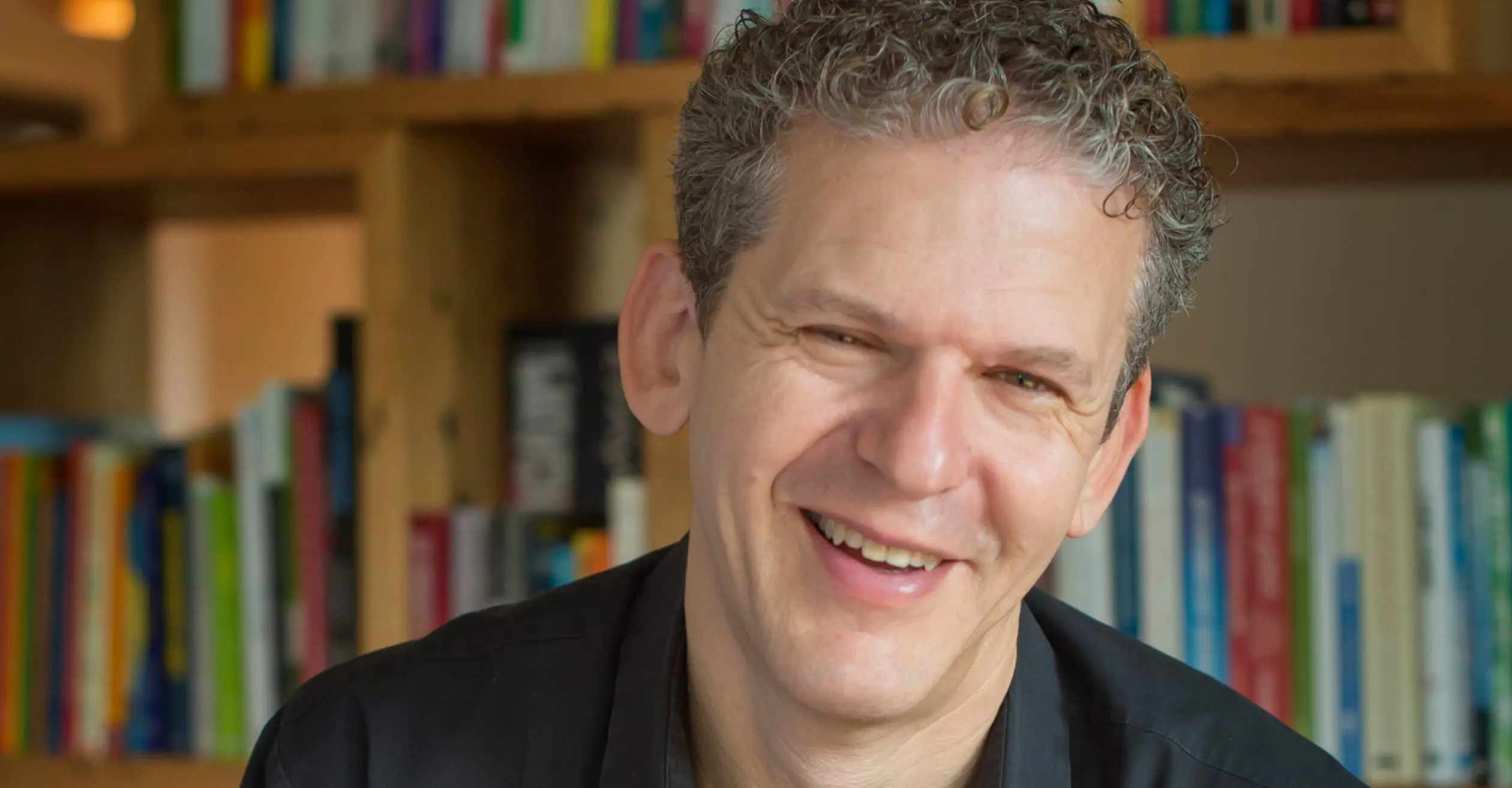
“The Confidence Gap” by Russ Harris explores the common misconception that confidence is a prerequisite for action. Harris argues that waiting for confidence before pursuing goals often leads to inaction. Instead, he introduces strategies to take meaningful action despite fear and self-doubt, emphasizing that genuine confidence emerges through action.
“The actions of confidence come first; the feelings of confidence come later.”
~ Russ Harris
Key Concepts
- Acceptance and Commitment Therapy (ACT): Harris utilizes principles from ACT, focusing on accepting negative thoughts and emotions rather than attempting to eliminate them. This approach encourages individuals to commit to actions aligned with their values, even in the presence of fear or self-doubt.
- Defusion: A technique to separate oneself from unhelpful thoughts, reducing their impact. By recognizing thoughts as mere words or images, individuals can prevent negative thinking from dictating their actions.
- Values-Driven Action: Identifying and acting in accordance with one’s core values is central to building genuine confidence. This alignment fosters a sense of purpose and motivation, enabling individuals to take meaningful steps toward their goals.

“True success is living by your values.”
~ Russ Harris
The Confidence Gap
Harris defines the “confidence gap” as the space between fear and inaction. Many individuals believe they must first feel confident before taking action, leading to procrastination and missed opportunities. Harris contends that by accepting fear as a natural experience and committing to action regardless, individuals can bridge this gap and achieve their aspirations.
“Genuine confidence is not the absence of fear; it is a transformed relationship with fear.”
~ Russ Harris
Practical Strategies
- Mindfulness: Cultivating present-moment awareness to observe thoughts and feelings without judgment, allowing for more intentional responses.
- Expansion: Developing the ability to open up to and make space for uncomfortable emotions, reducing their influence over behavior.
- Committed Action: Taking concrete steps aligned with personal values, even when faced with fear or self-doubt.
“Negative thoughts are normal. Don’t fight them; defuse them.”
~ Russ Harris
Conclusion
“The Confidence Gap” offers a paradigm shift in understanding confidence, emphasizing that action precedes the feeling of confidence. By accepting negative emotions and committing to value-driven actions, individuals can overcome self-doubt and lead more fulfilling lives.
“The key to peak performance is total engagement in the task.”
~ Russ Harris
Leave a Reply
You must be logged in to post a comment.