
Author: chris
-
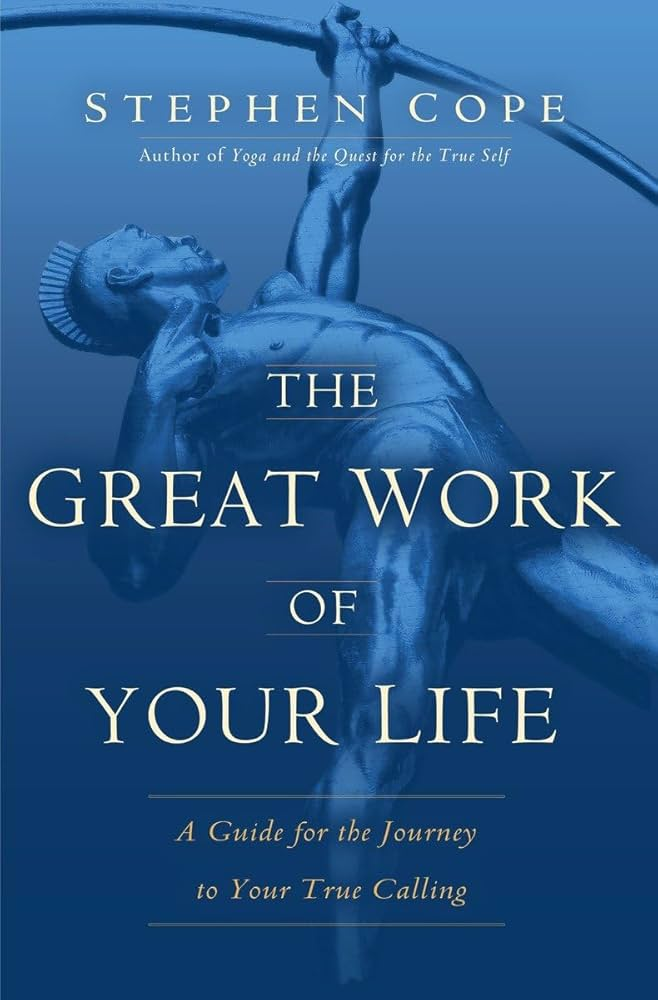
The Great Work of Your Life by Stephen Cope — free book summary
(Summary follows the book’s real structure, with verified quotes.) Stephen Cope explores how people discover and live their true calling — their dharma — using lessons from the Bhagavad Gita and stories of artists, activists, athletes, and ordinary people. The book argues that purpose emerges when you commit fully to the work your life is…
-

The life-changing idea behind Essentialism: do fewer things, but do them better
Your life depends on one decision: essential or nonessential? It’s time to make a choice. ~
-
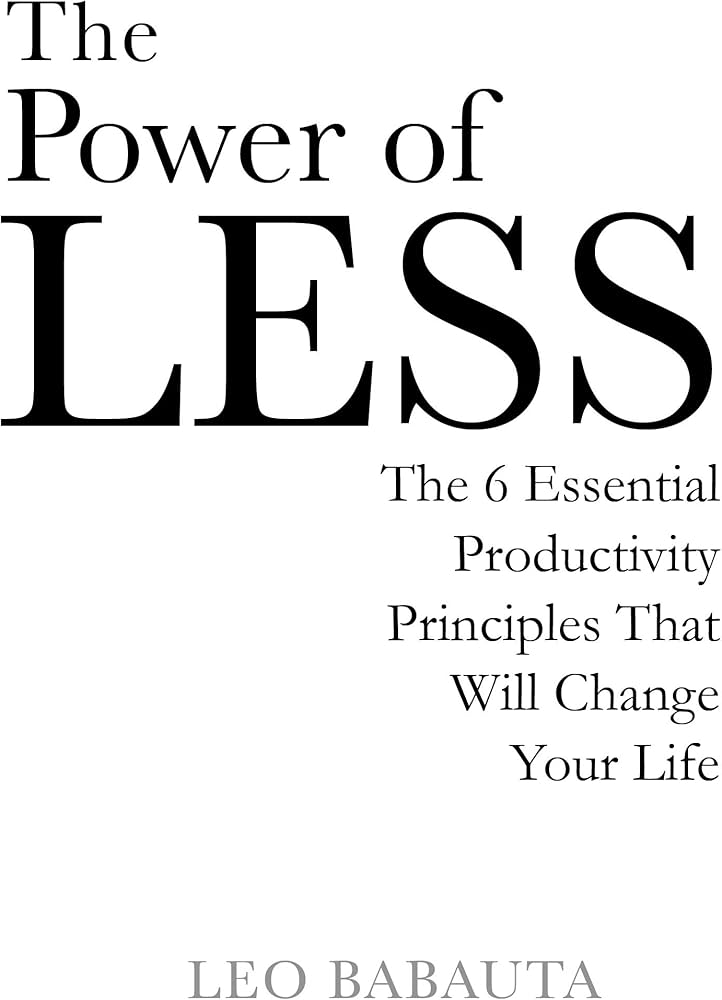
The Power of Less by Leo Babauta
(Summary organized according to the book’s real structure, with verified quotes from Leo Babauta.) Leo Babauta argues that modern life overwhelms us because we try to do too much.The solution is radical simplicity: focus on fewer tasks, fewer goals, fewer commitments — and execute them with clarity and consistency.By reducing the nonessential, you amplify the…
-
How to learn something fast and well
How to learn something fast and well. If you want to learn something important and learn it very well, try this simple technique… ~
-

Why discomfort can make your life much better
The Comfort Crisis. It’s the truth we all intuitively know is true but prefer to hide from. And its the key to a rich life. Author Michael Easter explains how comfort is shrinking your life—and discomfort is how you get it back… ~
-

How to use the Eisenhower principle to stop wasting time
If you don’t take control of your time, other people will control it for you. And they might not have your best interests in mind. This slideshow shows how to use the Eisenhower principle to take back control ~
-

How people become confident
Act First, Confidence LaterTake small steps toward the thing you fear instead of waiting to “feel ready.”Action rewires your brain and shrinks fear—confidence grows from doing, not from thinking. Drop the Struggle With Negative ThoughtsNotice your thoughts without fighting or believing them—let them come and go. Resistance makes anxious thoughts stronger; acceptance takes away their…
-

How to deal with a sociopath
How to deal with a sociopath. About four percent of people do not feel guilt, empathy, or remorse, and this neurological absence makes them capable of manipulation, exploitation, and harm without hesitation. Here’s how Dr Stout recommends you deal with a sociopath… ~
-
The top five regrets of the dying
The top five regrets of the dying. After many years working in palliative care for people in their last weeks of life, Bonnie Ware noticed five regrets all her patients seemed to repeat over and over… ~
-
Stop prioritising urgent things over important things
The powerful shift that helps you stop reacting to life—and start directing it Stop Letting Urgency Control Your Day Pause before responding to anything “urgent” and ask whether it’s actually important. This works because urgency hijacks your brain, pulling you away from the work that creates real progress. Put the Important Things on Your Calendar…
-
The impediment to action advances action. What stands in the way becomes the way
What if the problems you keep facing, that are making you stressed, hide your greatest opportunity…
-
Comfort is quietly weakening us—and challenge is the cure
Seek Discomfort on Purpose Do something hard each day: a cold walk, a tough workout, a difficult conversation. This works because deliberate stress strengthens resilience and rewires your brain for confidence. Break the Routine That’s Shrinking Your Life Change your environment, route, or habits to add challenge and novelty. Novel experiences build mental toughness and…
-
Why your mind fights your happiness—and how to take back control
The hidden forces shaping your happiness every single day The powerful ideas Jonathan Haidt uncovered about what truly makes a life feel rich, meaningful, and deeply happy Tame the Elephant and the Rider Calm your emotions first, then guide yourself with reason. This works because emotions drive most behavior—logic only works when feelings aren’t overwhelming…
-

How to find time to do what matters
You’ll never find time to do the things that matter. If you want more time for the things you really care about you have to be creative. Try the method Jake Knapp & John Zeratsky designed to help anyone reclaim time… ~
-
The simple system David Allen created to help you think clearly, stay calm, and get more done
Write down every task, idea, or commitment the moment I you think of it. Don’t try to remember everything. Write it down. This prevents mental overload.The brain relaxes when it no longer has to store unfinished thoughts. Clarify the Next ActionDecide the next physical step for each item on your list. Make every task actionable.Clarity…
-

Make your bed: the ten habits Admiral William H. McRaven believes are key to a happy life
Admiral William H. McRaven’s speech went viral because he explained how the ten rules that kept him functioning when things got tough should apply to us all. We can all learn from them. Here they are… ~
-
Why time seems to go faster as you age
Does time always seem like it’s flying by? There’s a scientific reason. And a powerful way to ‘slow it down’, making life richer and fuller. Life isn’t short—we simply fail to notice we’re living it… A 2016 Scientific Reports study found declining dopamine reduces the “time stamps” associated with memory—fewer markers=faster-feeling years… Novelty Makes Life…
-
The Sociopath Next Door by Dr Martha Stout
The most reliable sign, the most universal behavior of unscrupulous people, is not directedness, but the appeal to pity.” ~ Martha Stout
-

The How of Happiness by Sonja Lyubomirsky
(Summary organized according to the book’s three major parts, with verified quotes) Lyubomirsky presents happiness as a measurable, learnable skill shaped mostly by intentional habits—not luck, wealth, genetics, or external events. Her work is built on decades of empirical psychology. Part I — Understanding Happiness People overestimate the role of life circumstances. Genetics provide a…
-
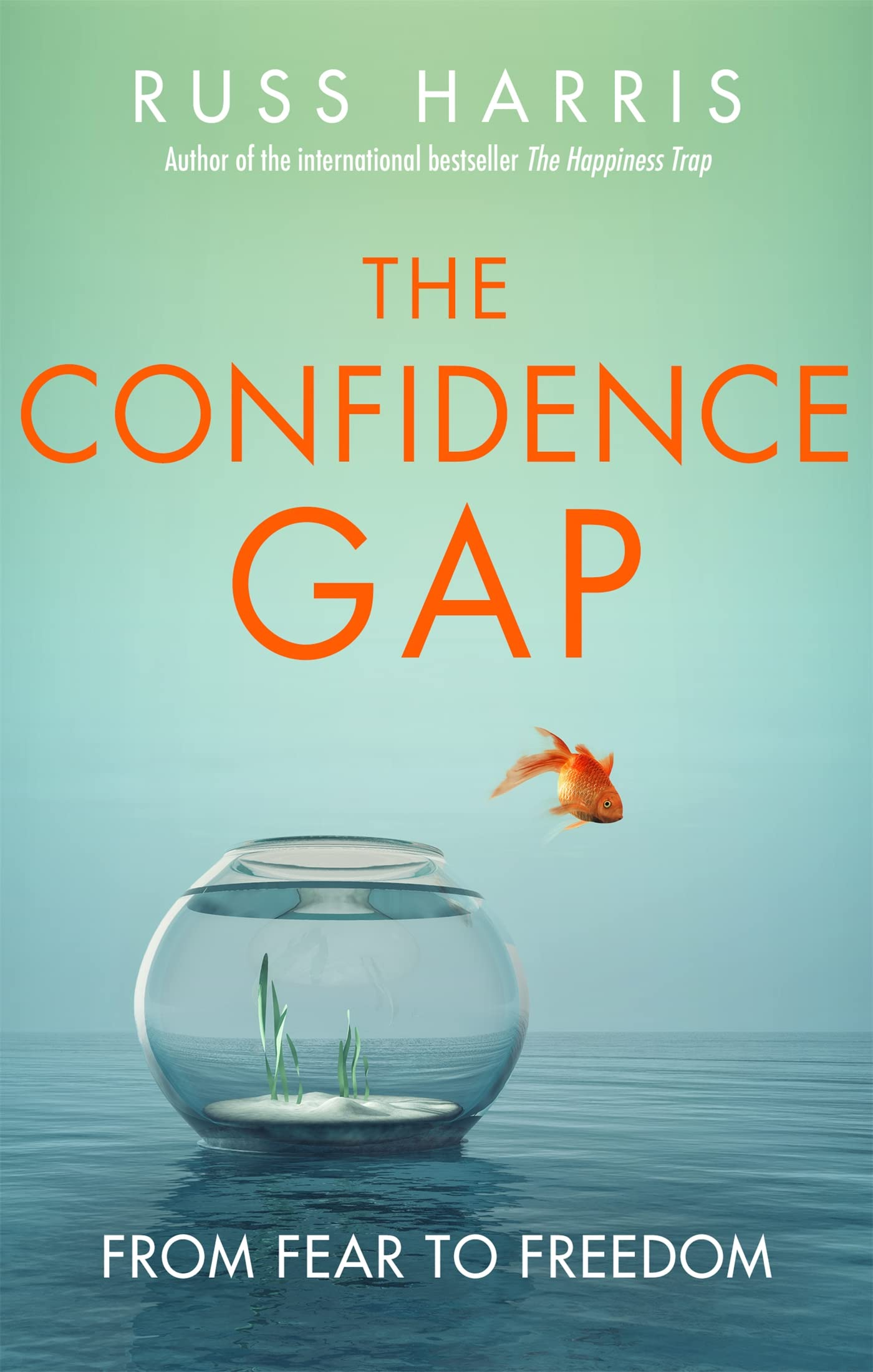
The Confidence Gap by Russ Harris — free book summary
(Summary organized according to the book’s major ACT-based sections, with verified quotes) Harris argues that people wait for confidence before acting, but confidence is built through action. Fear, self-doubt, and anxiety are normal — the goal is not to eliminate them, but to act in alignment with values while they’re present. Understanding the Confidence Gap…
-
Greatness is built one uncomfortable decision at a time
Avoidance Feels Safe—But It Quietly Shrinks Your Life Edmund J. Bourne, in The Anxiety and Phobia Workbook, explains that every time we avoid fear, we teach the brain the world is dangerous… Fear Grows When You Run From It Bourne shows that avoidance doesn’t protect you—it strengthens anxiety, making tomorrow’s challenge even harder… Action Teaches…
-
The life you want is on the other side of one uncomfortable choice
Fear Never Goes Away—And That’s Okay Susan Jeffers, in Feel the Fear and Do It Anyway, explains that confident people aren’t fearless—they’ve just learned to act while afraid… Avoiding Fear Makes Life Smaller Jeffers shows that every time we choose safety over growth, our world quietly shrinks—and we don’t notice until it’s tiny… Action Is…
-
Why self-esteem is the key to a good life according to author Nathaniel Branden
Living Consciously Comes First Branden argues we can’t respect ourselves if we avoid reality—self-esteem begins with seeing life clearly… Accepting Yourself Changes Everything He says we grow stronger when we stop fighting who we are—self-rejection silently sabotages every goal… Taking Responsibility Builds Power Branden insists confidence rises when we own our choices—blame keeps us small…
-
The one skill that separates dreamers from achievers
The Battle Is Always With Yourself Ryan Holiday, in Discipline Is Destiny, argues the world isn’t your biggest opponent—your impulses, doubts, and distractions are… and most people never learn to beat them… Freedom Comes From Self-Control He shows that without discipline, we don’t make choices—our cravings do. Real freedom begins when we’re no longer ruled…
-

Discipline Is Destiny by Ryan Holiday — free book summary
(Summary organized according to the book’s four-part structure, with verified quotes) Holiday argues that discipline is not punishment or restriction—it is the foundation of freedom, excellence, moral strength, and a well-lived life. Every meaningful achievement rests on the ability to govern oneself. Part I — The Exterior: The Body Discipline begins with physical stewardship—sleep, exercise,…
-

Emotional intelligence: the secret to success
According to decades of research, there’s one skill needed for success more than intelligence. In his book Emotional Intelligence, Daniel Goleman, explains how important it is and why you need to understand it… ~
-
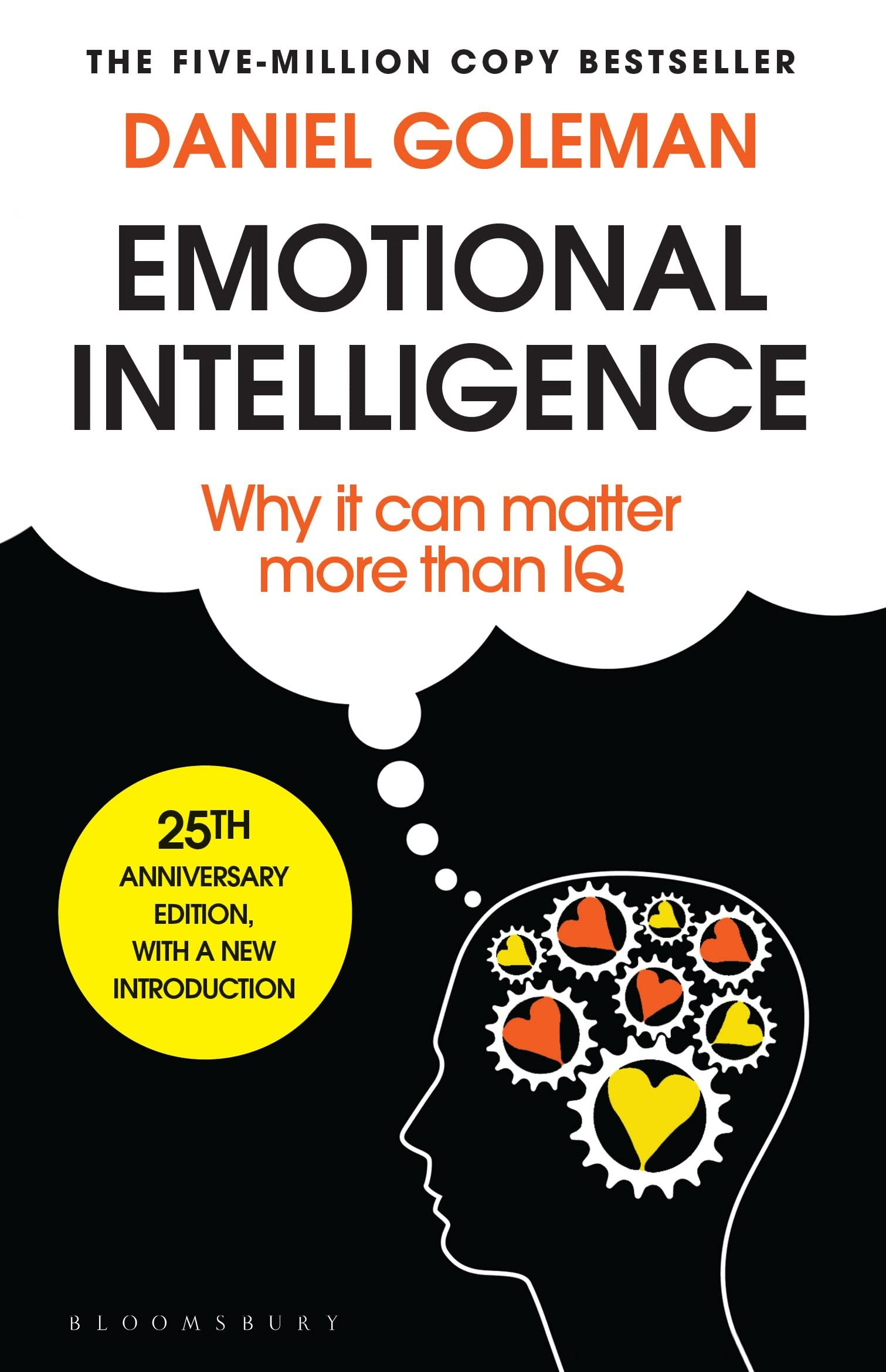
Emotional Intelligence By Daniel Goleman: free book summary
(Summary organized by the book’s real five parts, with verified quotes) Goleman’s argument reshaped psychology and culture: success in life depends as much on emotional intelligence—self-awareness, self-regulation, empathy, motivation, and social skill—as on IQ. Emotional competence determines how well we handle ourselves and relationships. Part I — The Emotional Brain Human beings possess two intertwined…
-
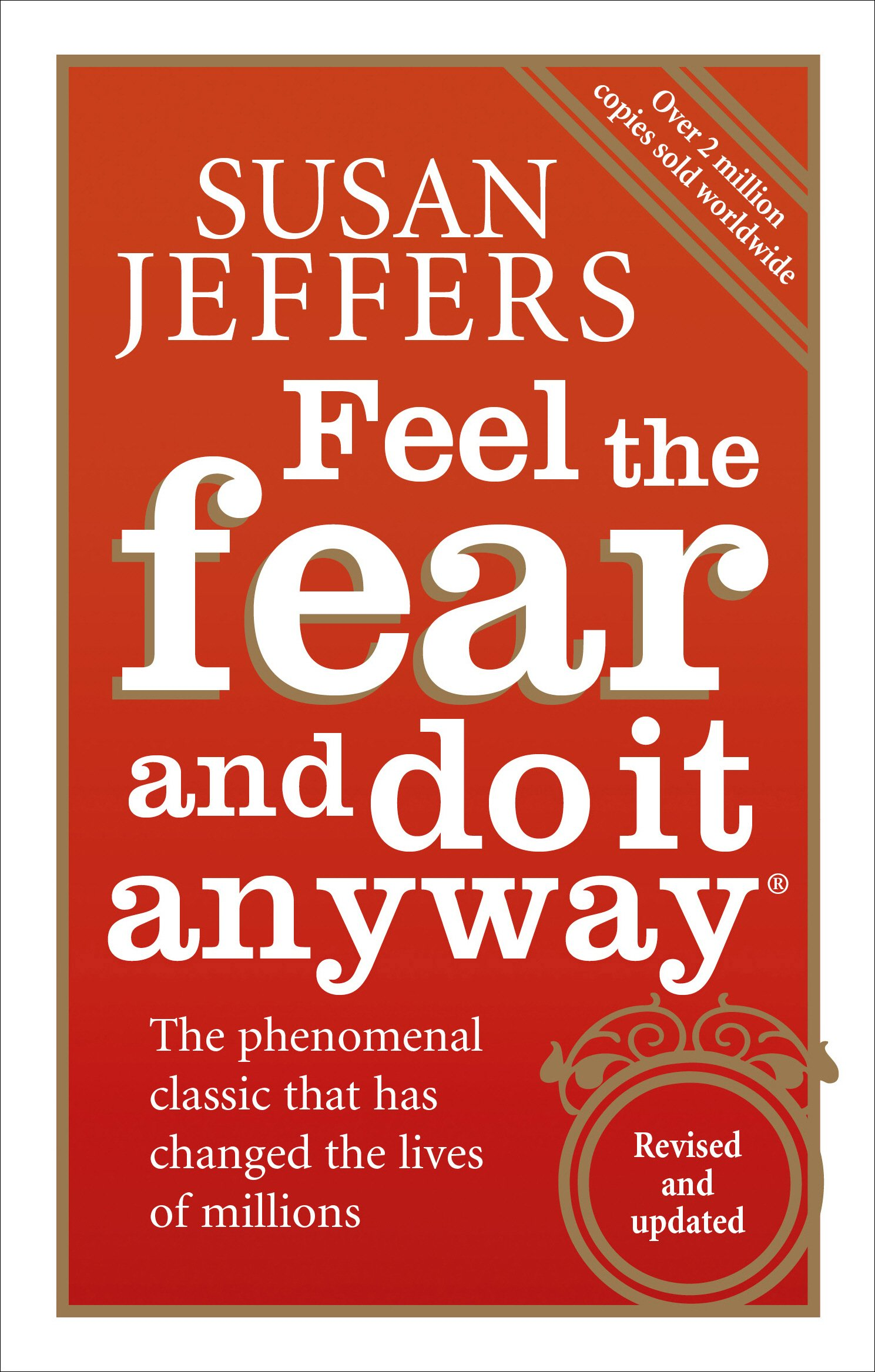
Feel the Fear & Do It Anyway by Susan Jeffers — free book summary
Jeffers’ central claim is that fear never disappears. The goal is not to eliminate fear, but to act despite it. Confidence comes from doing the thing you’re afraid of, not waiting for fear to fade. Chapter 1 — What Are You Afraid Of? Fear shows up whenever we face uncertainty, change, risk, growth, or responsibility.…
-
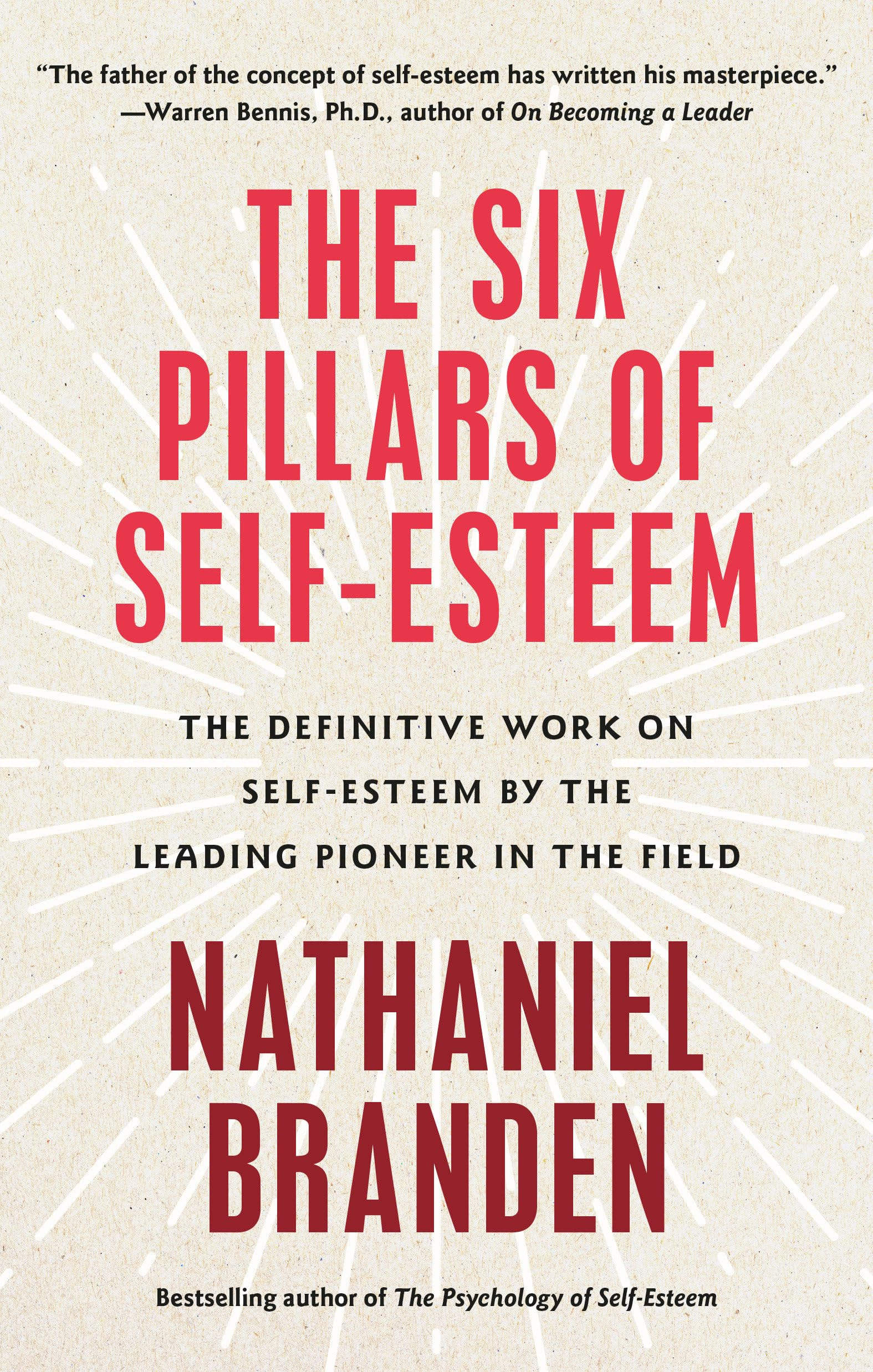
The Six Pillars of Self-Esteem by Nathaniel Branden: free book summary
Branden argues that self-esteem is a basic human need, essential for happiness, resilience, achievement, relationships, and moral living. It is not built through praise, status, or external validation—but through daily practices of integrity and self-responsibility. Pillar 1 — Living Consciously Self-esteem begins with awareness: paying attention to reality, feelings, choices, and consequences. To live consciously…
-
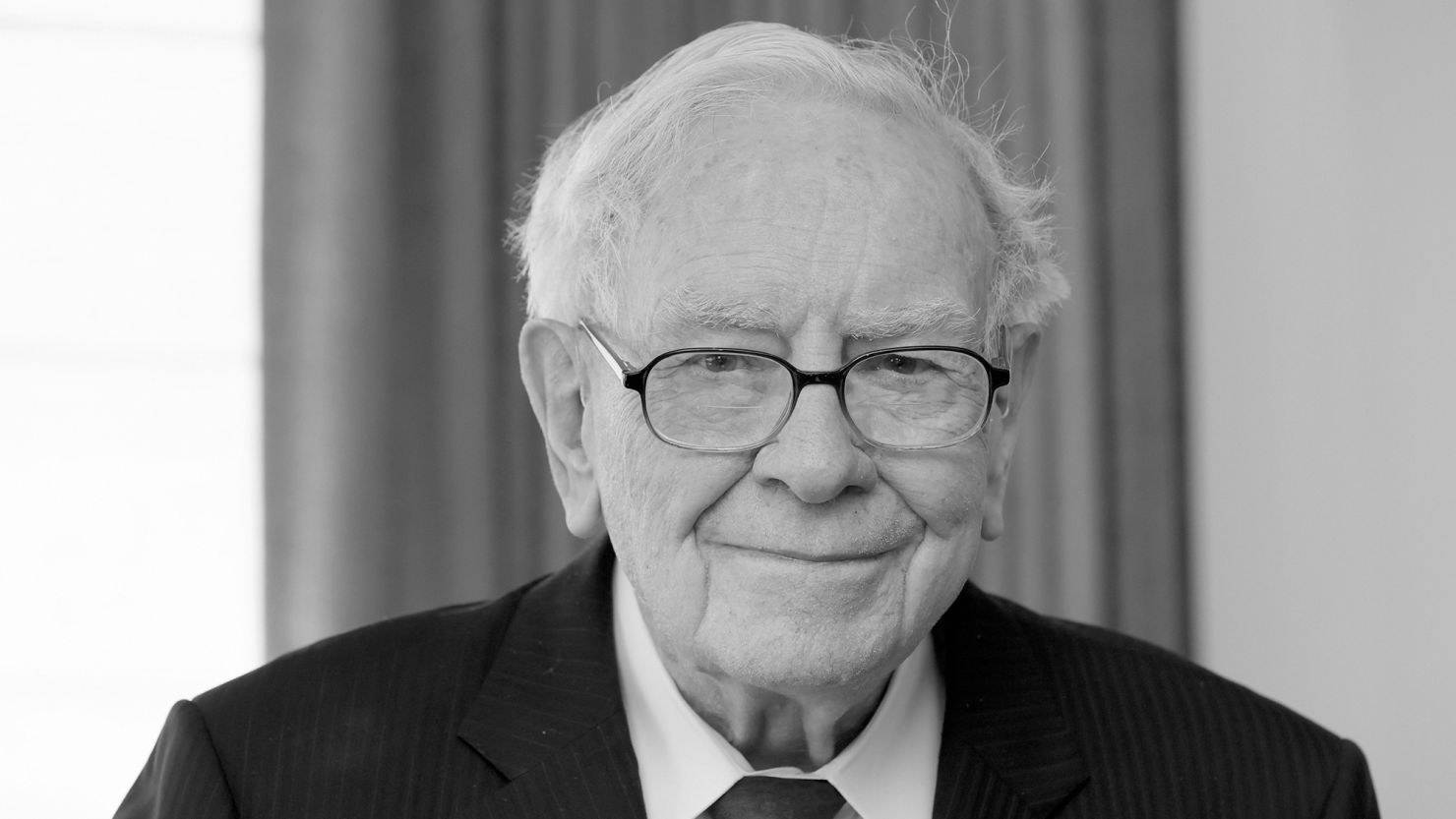
Warren Buffet’s Most Important Lessons
It takes 20 years to build a reputation and five minutes to ruin it. If you think about that, you’ll do things differently.” ~ Warren Buffett