
Category: Free book summaries
-
The Great Work of Your Life by Stephen Cope — free book summary
(Summary follows the book’s real structure, with verified quotes.) Stephen Cope explores how people discover and live their true calling — their dharma — using lessons from the Bhagavad Gita and stories of artists, activists, athletes, and ordinary people. The book argues that purpose emerges when you commit fully to the work your life is…
-
The Power of Less by Leo Babauta
(Summary organized according to the book’s real structure, with verified quotes from Leo Babauta.) Leo Babauta argues that modern life overwhelms us because we try to do too much.The solution is radical simplicity: focus on fewer tasks, fewer goals, fewer commitments — and execute them with clarity and consistency.By reducing the nonessential, you amplify the…
-
The Sociopath Next Door by Dr Martha Stout
The most reliable sign, the most universal behavior of unscrupulous people, is not directedness, but the appeal to pity.” ~ Martha Stout
-

The How of Happiness by Sonja Lyubomirsky
(Summary organized according to the book’s three major parts, with verified quotes) Lyubomirsky presents happiness as a measurable, learnable skill shaped mostly by intentional habits—not luck, wealth, genetics, or external events. Her work is built on decades of empirical psychology. Part I — Understanding Happiness People overestimate the role of life circumstances. Genetics provide a…
-
The Confidence Gap by Russ Harris — free book summary
(Summary organized according to the book’s major ACT-based sections, with verified quotes) Harris argues that people wait for confidence before acting, but confidence is built through action. Fear, self-doubt, and anxiety are normal — the goal is not to eliminate them, but to act in alignment with values while they’re present. Understanding the Confidence Gap…
-

Discipline Is Destiny by Ryan Holiday — free book summary
(Summary organized according to the book’s four-part structure, with verified quotes) Holiday argues that discipline is not punishment or restriction—it is the foundation of freedom, excellence, moral strength, and a well-lived life. Every meaningful achievement rests on the ability to govern oneself. Part I — The Exterior: The Body Discipline begins with physical stewardship—sleep, exercise,…
-
Emotional Intelligence By Daniel Goleman: free book summary
(Summary organized by the book’s real five parts, with verified quotes) Goleman’s argument reshaped psychology and culture: success in life depends as much on emotional intelligence—self-awareness, self-regulation, empathy, motivation, and social skill—as on IQ. Emotional competence determines how well we handle ourselves and relationships. Part I — The Emotional Brain Human beings possess two intertwined…
-
Feel the Fear & Do It Anyway by Susan Jeffers — free book summary
Jeffers’ central claim is that fear never disappears. The goal is not to eliminate fear, but to act despite it. Confidence comes from doing the thing you’re afraid of, not waiting for fear to fade. Chapter 1 — What Are You Afraid Of? Fear shows up whenever we face uncertainty, change, risk, growth, or responsibility.…
-
The Six Pillars of Self-Esteem by Nathaniel Branden: free book summary
Branden argues that self-esteem is a basic human need, essential for happiness, resilience, achievement, relationships, and moral living. It is not built through praise, status, or external validation—but through daily practices of integrity and self-responsibility. Pillar 1 — Living Consciously Self-esteem begins with awareness: paying attention to reality, feelings, choices, and consequences. To live consciously…
-
Summary of The Essays of Warren Buffett: Lessons for Corporate America
(Organized according to the book’s real thematic sections curated by Lawrence Cunningham) This book isn’t a traditional narrative — it’s Warren Buffett’s own words, drawn from decades of shareholder letters, arranged into clear sections that reveal his principles for thinking, deciding, behaving, and living wisely. The lessons apply far beyond business—they’re about character, judgment, patience,…
-
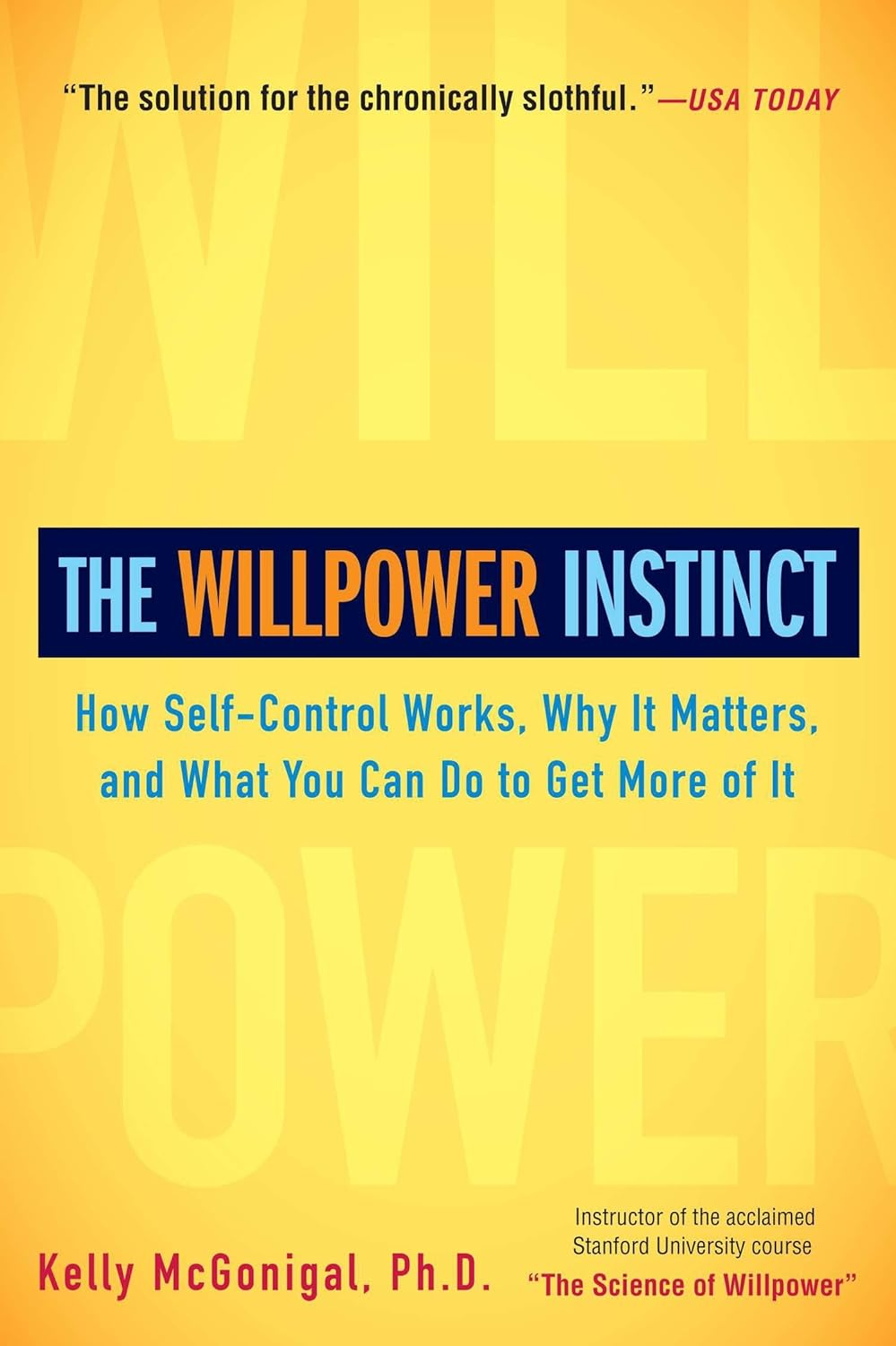
The Willpower Instinct, by Kelly McGonigal: free book summary
1. The central idea: willpower is a biological skill McGonigal argues that willpower is not a personality trait but a trainable biological function involving the prefrontal cortex. “The best way to improve self-control is to understand how and why you lose control.” ~ Kelly McGonigal By understanding the science, you can strengthen it. 2. Willpower…
-
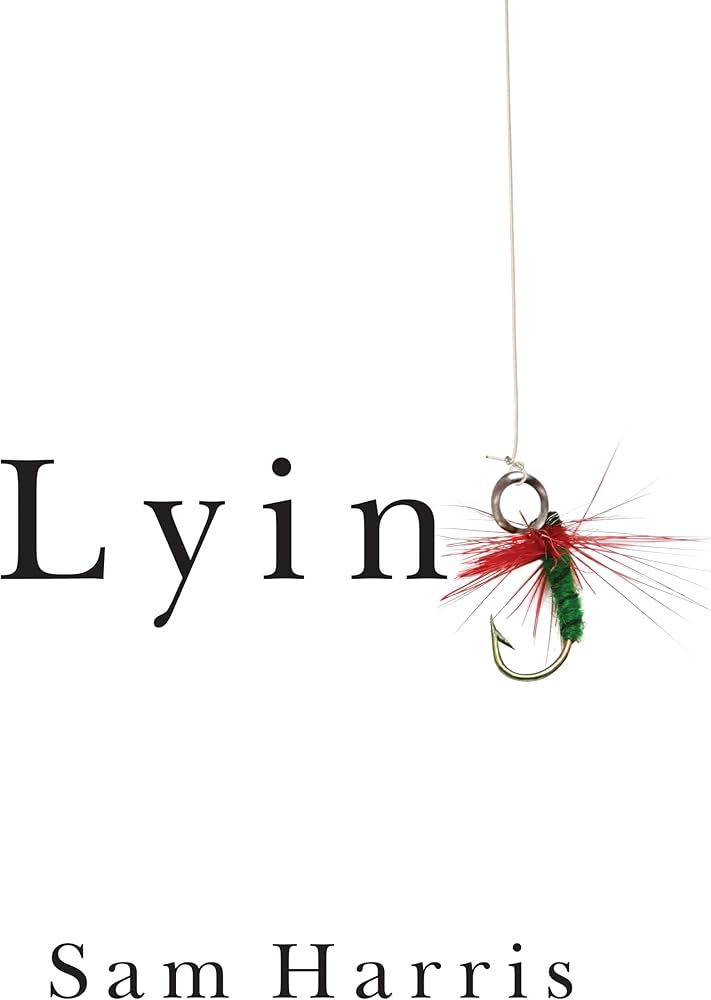
Lying, by Sam Harris – 2000-word book summary
1. The central claim: honesty is always the better policy Harris begins with a clear thesis: lying is almost never necessary, and truth-telling is a moral and practical superpower. He argues that even small “harmless” lies expand into complications that damage your integrity. “To lie is to intentionally mislead othwhen they expect honest communication.” ~…
-
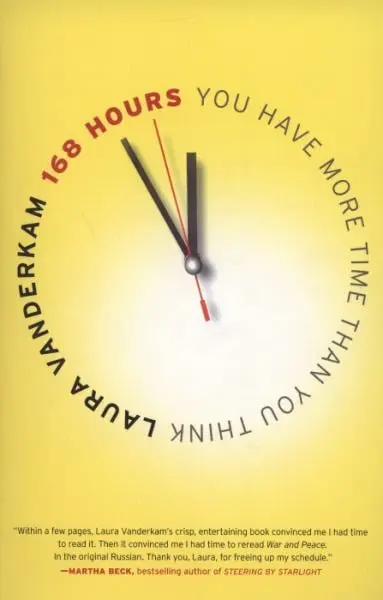
168 Hours, by Laura Vanderkam – 2000 word book summary
168 Hours, by Laura Vanderkam: 2000-word book summary. The central idea is simple and slightly uncomfortable: you have 168 hours every week, and you’re already choosing how to spend all of them. You don’t need more time; you need to use your time in line with what actually matters to you. From now on I’ll…
-
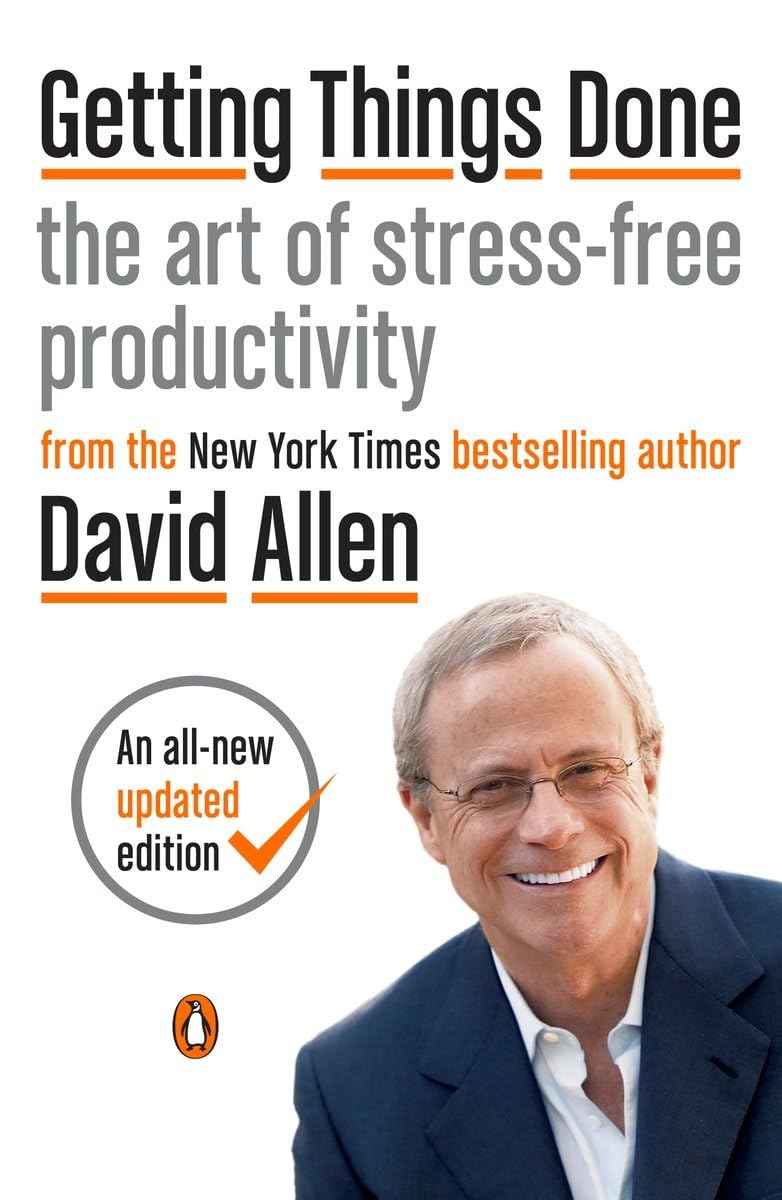
Getting Things Done by David Allen: free book summary
David Allen’s GTD system is built on one core promise: your mind is for having ideas, not holding them. Productivity increases when everything is captured, clarified, organized, and reviewed—freeing the mind for focus, creativity, and calm. Part 1 — The Art of Getting Things Done 1. A New Practice for a New Reality Allen argues…
-
The Souls of Black Folk, by W. E. B. Du Bois – 2000-word book summary
Overview Published in 1903, The Souls of Black Folk by W. E. B. Du Bois is one of the most important works in American history and literature. It blends sociology, history, philosophy, and lyrical reflection to explore what it means to be Black in post-slavery America—and what it means to be human in a divided…
-
Walden; or, Life in the Woods, by Henry David Thoreau – 2000-word book summary
Overview Henry David Thoreau’s Walden is both a personal experiment and a timeless philosophical reflection on how to live deliberately, simply, and meaningfully. Written after two years Thoreau spent living alone in a cabin beside Walden Pond in Massachusetts (1845–1847), the book is part memoir, part manifesto—a call to awaken from the sleep of conformity…
-
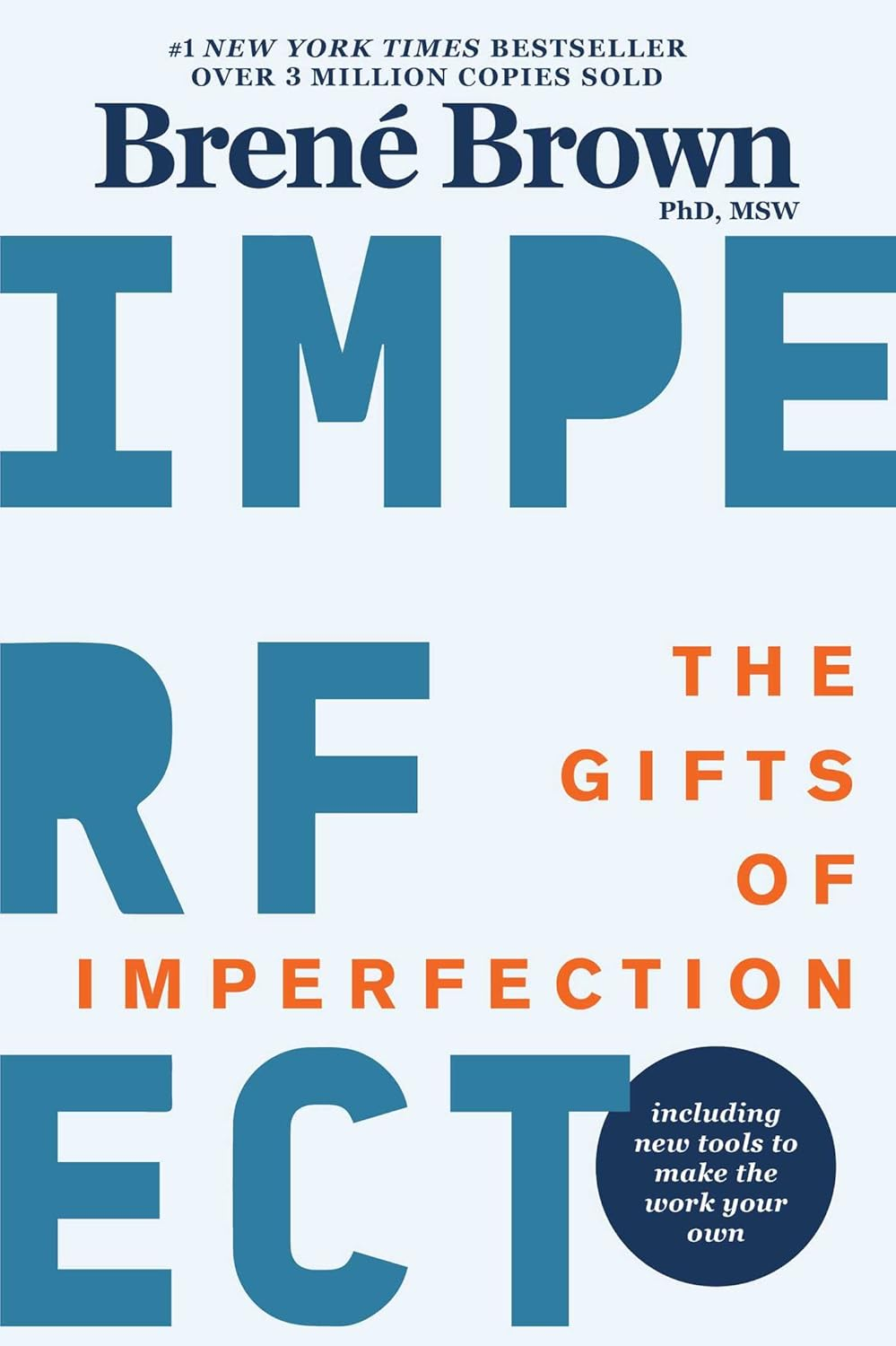
The Gifts of Imperfection: Let Go of Who You Think You’re Supposed to Be and Embrace Who You Are, by Brené Brown – 2000-word book summary
Overview In The Gifts of Imperfection, researcher and storyteller Brené Brown explores what it means to live wholeheartedly—to embrace vulnerability, authenticity, and self-compassion in a world obsessed with perfection. Drawing on over a decade of research on shame, courage, and belonging, Brown argues that real happiness doesn’t come from being perfect or fitting in; it…
-
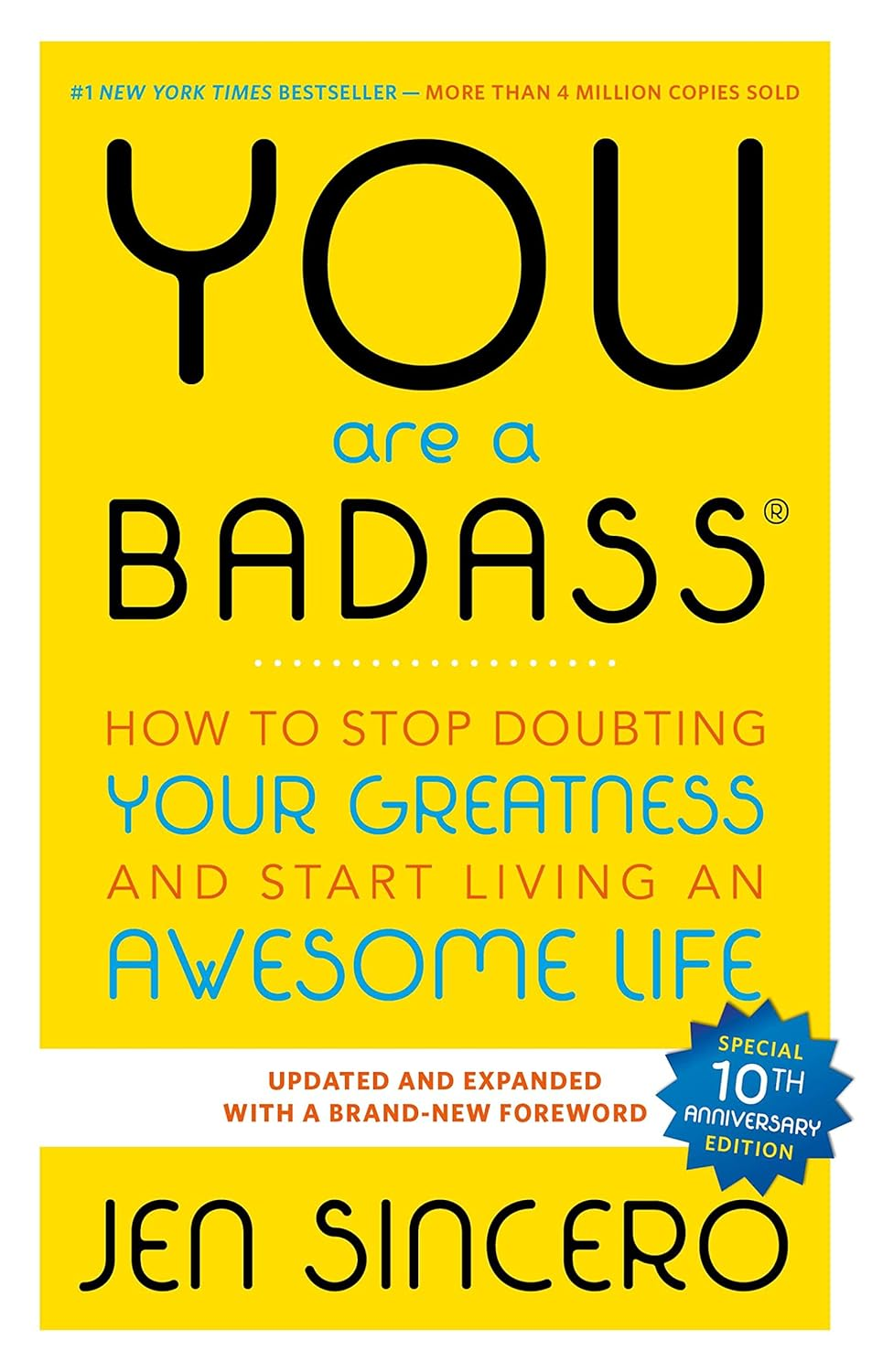
You Are a Badass: How to Stop Doubting Your Greatness and Start Living an Awesome Life, by Jen Sincero – 2000-word book summary
Overview Jen Sincero’s You Are a Badass is a bold, funny, and unapologetic guide to self-empowerment. Through personal stories, humor, and straight talk, she encourages readers to break free from self-sabotage and embrace their potential. Her message is simple: you can create the life you want by changing your mindset, energy, and actions. Unlike many…
-
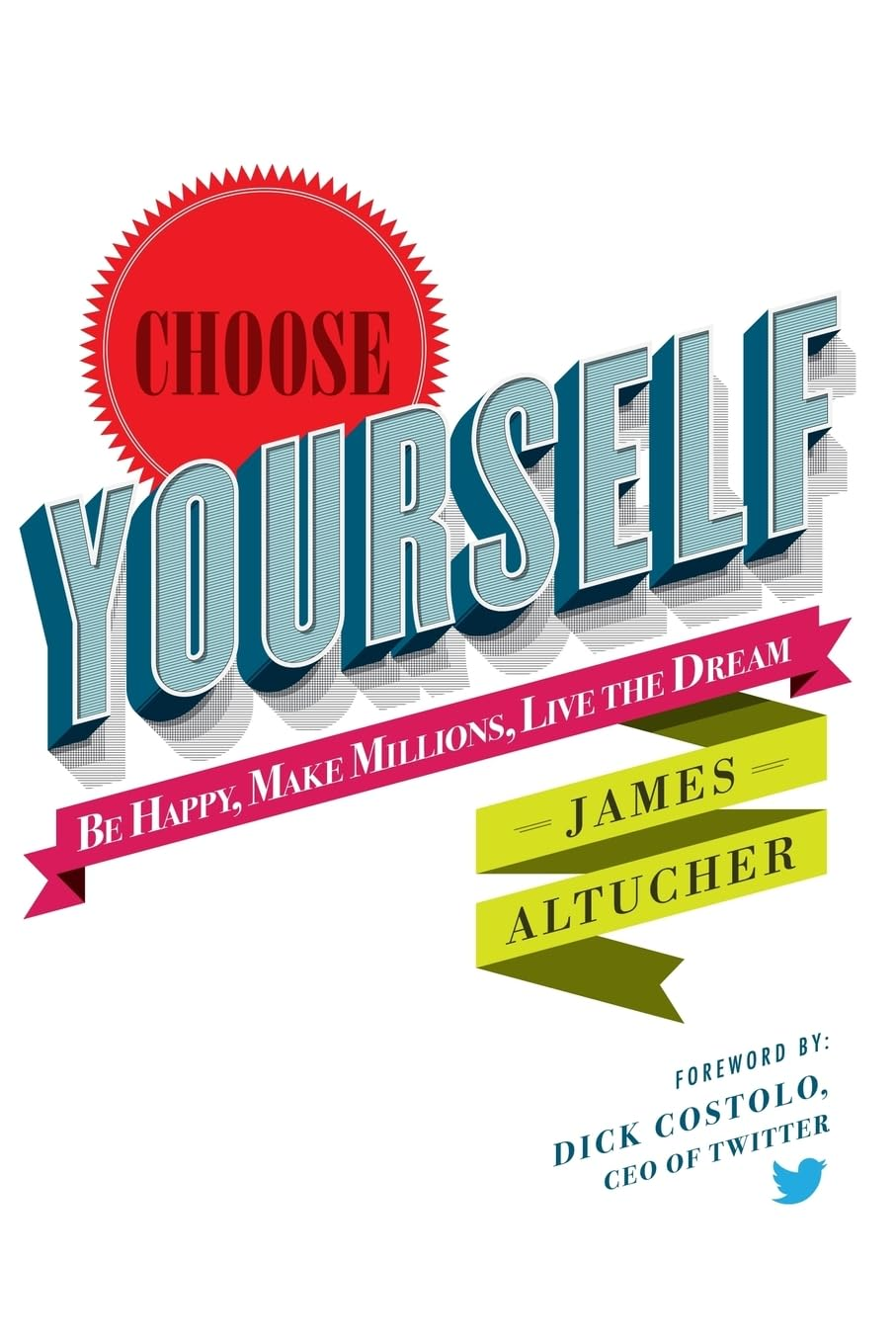
Choose Yourself, by James Altucher – 2000-word book summary
Overview Choose Yourself is James Altucher’s wake-up call to everyone who’s waiting for permission—from employers, institutions, or society—to live the life they want. He argues that we are entering a new era where the traditional systems of success (stable jobs, big companies, pensions) are collapsing, and the only real path to security and fulfillment is…
-
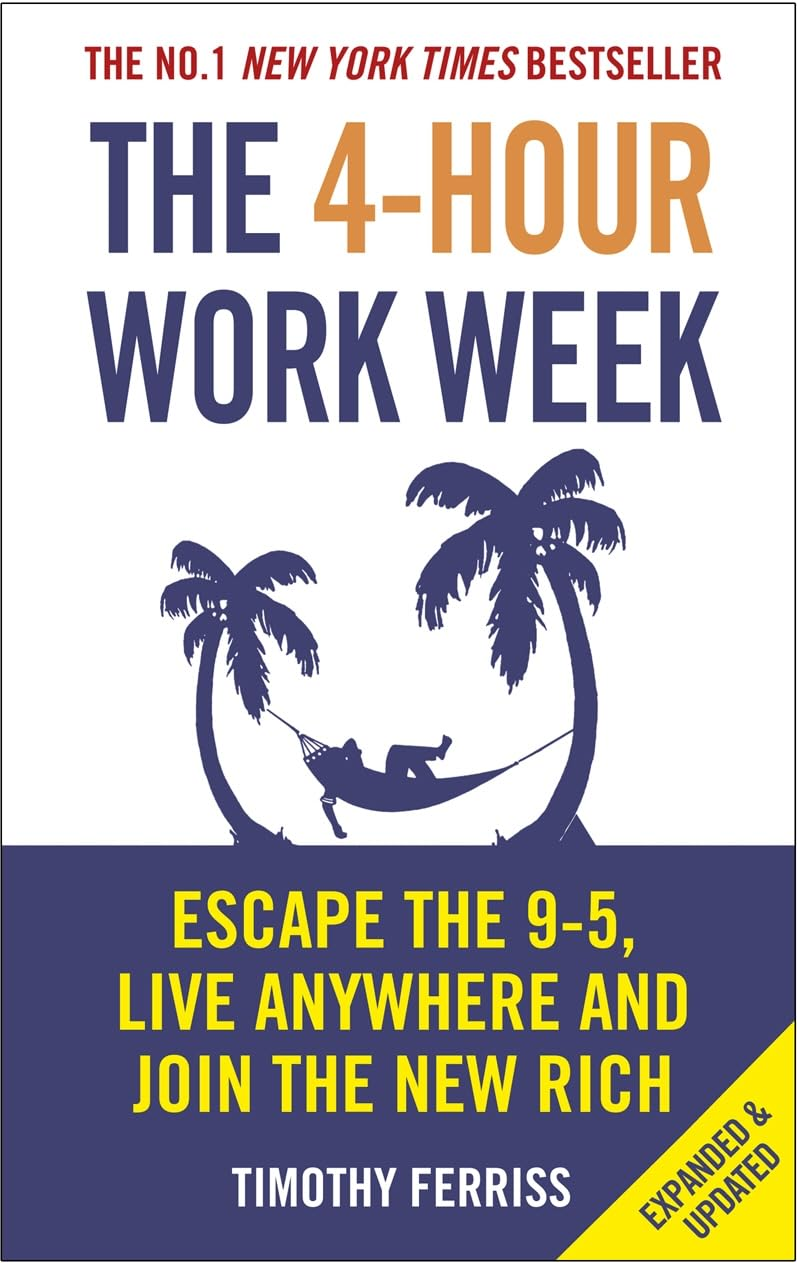
The 4-Hour Workweek, by Tim Ferriss – 2000-word book summary
Overview Tim Ferriss’s The 4-Hour Workweek is a blueprint for redesigning your life so that work supports freedom instead of consuming it. Rather than deferring happiness to retirement, Ferriss argues that we can live richly now by automating income, focusing only on the vital few tasks that create results, and reclaiming time for what matters.…
-
Become What You Are by Alan Watts – 2000-word book summary
If we are unduly absorbed in improving our lives we may forget altogether to live them ~ Alan Watts
-
How to Relax, by Thich Nhat Hanh – 2000-Word Book Summary
I vow to live fully in each moment and to look at all beings with eyes of compassion” ~ Thich Nhat Hanh
-
Tao Te Ching, by Lao Tzu – 2000 word book summary
A leader is best when people barely know he exists. When his work is done, they will say: we did it ourselves” ~ Lao Tzu
-
Aristotle’s Nicomachean Ethics – 2000 word book summary
Nicomachean Ethics, by Aristotle – 2000-word book summary Overview Aristotle’s Nicomachean Ethics is one of the most influential works in philosophy and the foundation of Western moral thought. Written in the 4th century BCE, it explores one enduring question: What does it mean to live a good life? Aristotle’s answer is practical, not abstract. The…
-
Discourses and Selected Writings, by Epictetus – 2000-word Book Summary
Other people’s views and troubles can be contagious. Don’t sabotage yourself by unwittingly adopting negative, unproductive attitudes through your associations with others” ~ Epictetus
-
Be Water, My Friend: The Teachings of Bruce Lee by Shannon Lee – 2000 word book summary
Do not pray for an easy life, pray for the strength to endure a difficult one” ~ Bruce Lee
-
Dokkōdō by Miyamoto Musashi – Book Summary with Quotes
Think lightly of yourself and deeply of the world ~ Miyamoto Musashi
-
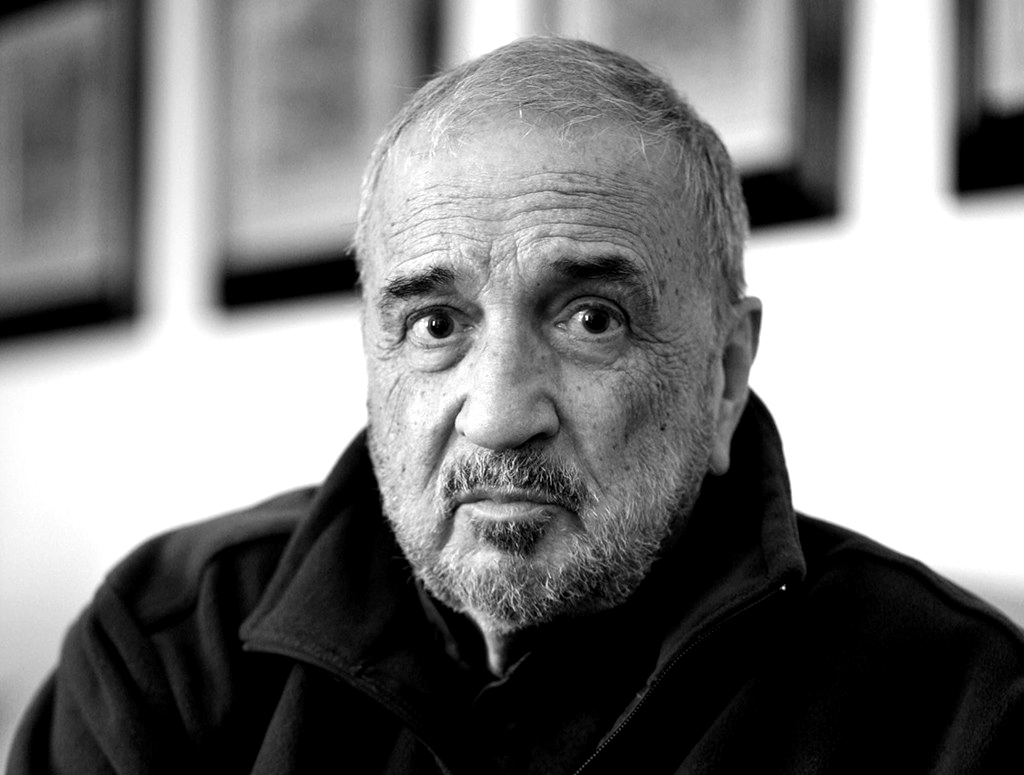
The Psychology of Stupidity, edited by Jean-François Marmion, 2000 word book summary
Whether or not you’re a fool, there’s always someone who takes you for one” ~ Jean-François Marmion
-
The Practice of Not Thinking by Ryūnosuke Koike – 2000-Word Book Summary
You do not need to think in order to feel happiness. In fact, happiness is often found in the moments when thinking stops” ~ Ryūnosuke Koike
-

The Pathway to Flow: The New Science of Harnessing Creativity to Heal and Unwind the Body & Mind by Dr. Julia F. Christensen – 2000-Word Book Summary
Flow is the art of losing yourself in what you love—and in doing so, finding yourself again” ~ Dr. Julia F. Christensen