
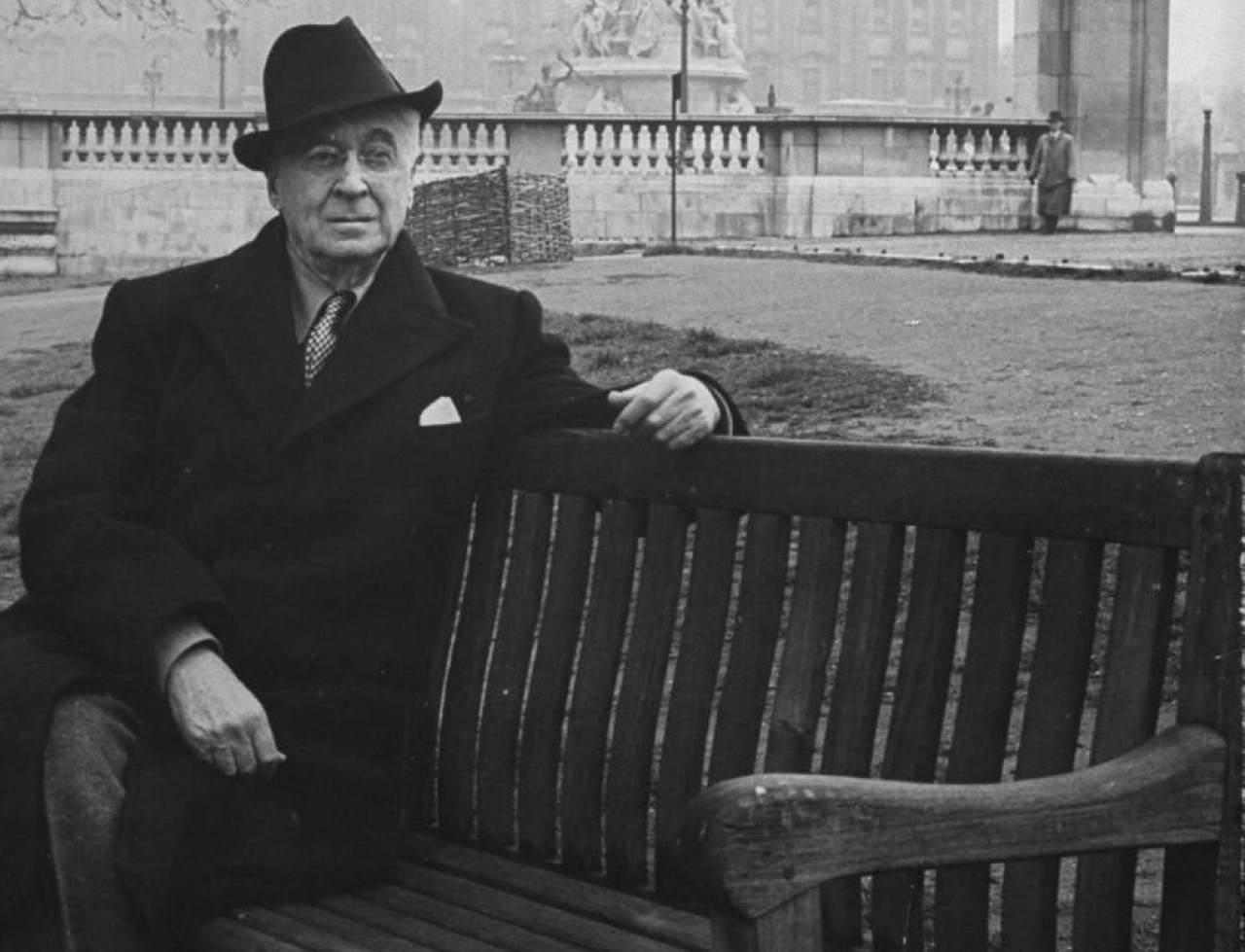
According to End of Life Nurse and Author, Bonnie Ware, the most common regret at the end of life is not failure, but self-betrayal. People don’t regret being imperfect; they regret being dishonest with themselves about who they were and what they wanted.
Over time, small acts of self-deception compound into false lives — lived according to expectation rather than truth.
Many of Ware’s patients knew early what they wanted — how they wished to live, love and work— but told themselves it was unrealistic, selfish, or too disruptive.
To maintain a life they didn’t choose, people learned to explain, justify, and perform. They avoided difficult conversations. They stayed silent when truth would have required courage. Over time, relationships became polite but shallow, functional but emotionally distant. The regret was not conflict — it was the absence of honest connection.
People regretted living by roles instead of values. They did what was expected — good employee, reliable provider, agreeable partner — while suppressing parts of themselves that didn’t fit the script. They allowed fear to control who they became. But fear-based living required constant dishonesty, and constant dishonesty drained vitality.
Near death, pretense collapses. When there’s nothing left to lose, people speak plainly. What emerges is clarity — and grief. They wished they had been more truthful earlier, when honesty could still change outcomes. Many realized too late that truth, though uncomfortable upfront, reduces long-term suffering. Dishonesty postpones pain, multiplies complexity, and quietly consumes energy. Honesty has an upfront cost. Dishonesty creates a debt that charges interest.
Patients assumed honesty would require dramatic confrontation. In reality, it would have required small, consistent alignment — saying no earlier, speaking sooner, choosing differently when it mattered. The tragedy was not dramatic failure, but prolonged avoidance.
A regret-free life is built on truth practiced early. Honesty with yourself about what matters. Honesty with others about who you are. It doesn’t have to be brutal honesty — but rather clear, steady, respectful truth.
The real lesson. Let honesty be the foundation on which your life is built and every decision is made. If you’re not honest about who you are and what you want, you’re living a lie, which means you’re creating a life you don’t even want. Decide what you want—not what you think others want you to do—and live the life you choose, the way you want it. Do what moves you, regardless of what anyone else thinks.
The simplest way to achieve this is to make the decision from now on to always be honest, in everything you say and everything you do. In fact the simplest, most powerful thing you can do today to create a life with no regrets is to never lie again. If someone asks you a question, give them an honest answer. Don’t say what you think they want to hear to avoid discomfort. Say exactly what you think. This is how you build an honest world around yourself—a world you actually want, not one created so you can appease others. Face the truth as soon as you can. If you realise you’ve accidentally lied, correct yourself straight away. Create a powerful habit of total, instinctual honesty.
You’re not going to get a second chance to live life the way you wanted. Start being honest today. If you don’t want to live where you live or work where you work, say it. It’s better the people around you know so you can all base your decisions on truth rather than living a lie to avoid discomfort. Honesty begins with the courage to live in alignment with your own values. It’s about refusing to live behind excuses and the fear of uncomfortable confrontations.
Our critics are our friends, for they show us our flaws ~ Benjamin Franklin
Don’t be afraid to tell someone your honest opinion. That doesn’t mean you have to be horrible or short. You can still be kind. In fact honesty is the kindest thing. Speak the truth but approach it with kindness. Honest negative feedback is great because it helps people improve. It helps us all live in reality. Improving should be our goal, not being right and not living in a false perception. When you stop caring about being right and start caring about what’s best, you and the people around you can focus on progress. Remember, you can think many things and still choose to say the kind things or deliver the critical things with care.
When you’re honest you’re trustworthy and you can be relied on because people learn that you’re a person that values truth over manipulation. That makes it easy to plan life around you, because plans are built on truths, rather than deceptions that may alter according to what the liar wants. That makes you a comfortable person to be around. People don’t have to act, they can just be themselves.
Ultimately being honest is about three very important things: living the life you want rather than a life designed to avoid discomfort, being around people like you and living without the stress of cognitive burden and the anxiety of hiding the truth.
Let’s take an example. Imagine you’ve applied for a job as a salesperson. To get the job you’ve manipulated the interviewer by saying you’re naturally drawn to this line of work and it’s what you love doing. That’s a fairly normal practice. In reality you just needed the money, but you didn’t think they’d want you to say that. Now you’re going to have to keep up the act every day, every time you see your boss. You might feel you have to weave the lie into your interactions with colleagues in case they talk to your boss and reveal that you really don’t care about the company in the slightest. Now you’ve created a false reality for yourself. You’re living a lie. And this might seem relatively innocent in the grand scheme of things. You might even think this is quite normal. But now let’s say the economy takes a turn for the worse and you decide you need to work really hard in case you lose your job because it’s better than being unemployed with a mortgage and loans to repay. Now you’re working really hard in a job you hate. Years could go by like this. Eventually you might forget that you originally just wanted the job because you needed the money. You’ve become the salesman. Your life is a lie. You’re treading water to pay debts while working a job you hate. One day you wake up and wonder what happened to your life. Where did it all go wrong? It all went wrong the day you decided to live a lie. The lies compounded until your entire life was a lie.
Conclusion: never lie again. This is how you choose the life you really want. Choose the uncomfortable truths now, instead of the horrendous truths later on.
Leave a Reply
You must be logged in to post a comment.