
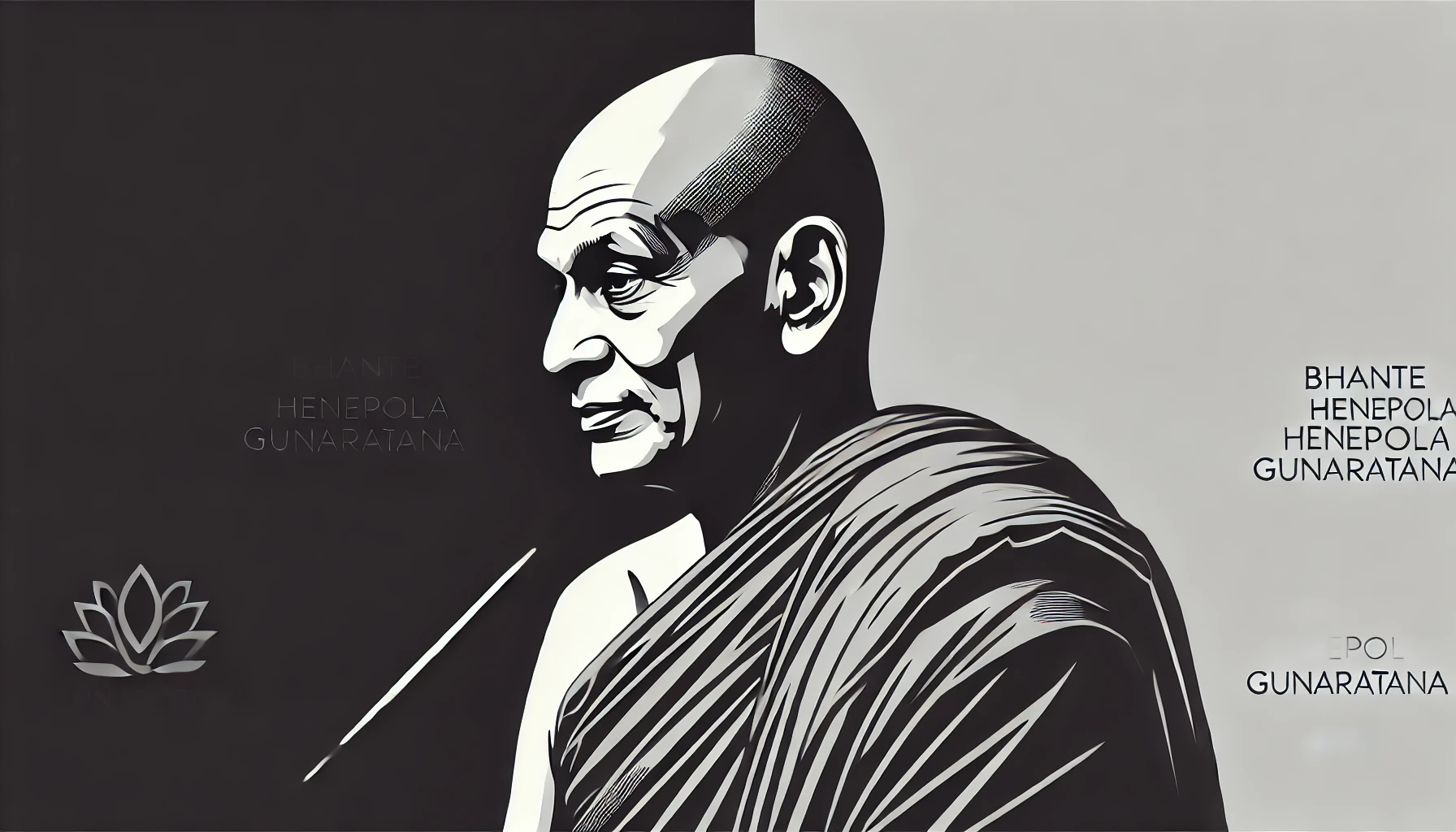
Introduction: The Power of Mindfulness
Mindfulness in Plain English by Bhante Henepola Gunaratana is a practical and accessible guide to the practice of mindfulness meditation. The book explains how mindfulness can bring clarity, peace, and happiness by helping individuals live in the present moment. It emphasizes that mindfulness is not a mystical or religious concept but a skill that anyone can develop to enhance their well-being.
Mindfulness is the observing of things as they are, without laying our projections and expectations onto what is happening.
~ Bhante Henepola Gunaratana
What Is Mindfulness?
Gunaratana defines mindfulness as a state of awareness that involves observing the present moment without judgment or attachment. It is the practice of paying attention to thoughts, feelings, and sensations as they arise. Mindfulness helps cultivate a deeper understanding of the mind and reduces the tendency to react impulsively to life’s challenges.
Mindfulness is not just a practice—it is a way of living.
~ Bhante Henepola Gunaratana
The Importance of Meditation
Meditation is the core practice for developing mindfulness. Gunaratana describes meditation as a tool for training the mind to focus and observe without distraction. He emphasizes that meditation is not about achieving a specific state but about being fully present and aware. Regular practice leads to greater insight, emotional balance, and inner peace.
Meditation is the art of focusing the mind, sustaining that focus, and seeing the world as it truly is.
~ Bhante Henepola Gunaratana
The Practice of Mindfulness Meditation
Gunaratana provides step-by-step guidance for practicing mindfulness meditation:
- Posture: Sit comfortably with a straight back, either on a chair or a cushion.
- Focus: Pay attention to the breath, using it as an anchor for your awareness.
- Observing: Notice thoughts, feelings, and sensations without judgment or attachment.
- Returning: Gently return to the breath whenever the mind wanders.
The goal of meditation is not to control your thoughts, but to stop letting them control you.
~ Bhante Henepola Gunaratana
Overcoming Common Obstacles
Gunaratana addresses common challenges in meditation, such as restlessness, boredom, and frustration. He emphasizes that these obstacles are natural and can be overcome through patience and persistence. Rather than resisting difficulties, he encourages embracing them as opportunities to deepen mindfulness.
The mind is like a wild horse—it takes time and patience to train it.
~ Bhante Henepola Gunaratana
The Five Hindrances
The book outlines five mental states that hinder progress in meditation:
- Desire: Craving for pleasurable experiences.
- Aversion: Resistance to discomfort or unpleasant feelings.
- Laziness: Lack of energy or motivation.
- Restlessness: An unsettled mind that struggles to focus.
- Doubt: Uncertainty about the practice or its benefits.
Gunaratana explains how mindfulness helps identify and work through these hindrances, leading to greater focus and clarity.
Each hindrance is a teacher, guiding you to deeper understanding.
~ Bhante Henepola Gunaratana
Mindfulness in Daily Life
Mindfulness is not limited to meditation; it is a practice that can be integrated into daily activities. Gunaratana encourages readers to bring mindfulness to everyday tasks like eating, walking, and conversing. By staying present and attentive, individuals can experience life more fully and respond to challenges with greater wisdom.
When you are mindful, every moment becomes an opportunity for growth.
~ Bhante Henepola Gunaratana
The Benefits of Mindfulness
Gunaratana highlights the numerous benefits of mindfulness, including:
- Emotional regulation: Reducing stress, anxiety, and reactive behavior.
- Improved focus: Enhancing concentration and productivity.
- Self-awareness: Gaining insight into habitual patterns and behaviors.
- Compassion: Developing empathy for oneself and others.
He explains that these benefits arise naturally as mindfulness becomes a way of life.
Mindfulness transforms the ordinary into the extraordinary.
~ Bhante Henepola Gunaratana
The Role of Ethics in Mindfulness
The book emphasizes that mindfulness is deeply connected to ethical living. Gunaratana explains that ethical behavior supports a clear and calm mind, which in turn enhances mindfulness. He encourages practicing kindness, honesty, and non-harm as integral parts of the mindfulness journey.
Mindfulness and ethical conduct are two sides of the same coin.
~ Bhante Henepola Gunaratana
The Path to Liberation
Gunaratana concludes by linking mindfulness to the broader goal of liberation from suffering. He explains that mindfulness helps uncover the true nature of reality, leading to wisdom and freedom. While this path requires dedication and effort, it offers profound rewards.
The end of suffering begins with a single mindful breath.
~ Bhante Henepola Gunaratana
This summary captures the essence of Mindfulness in Plain English, providing a comprehensive overview of mindfulness meditation and its application in daily life.
“Mindfulness gives you time. Time gives you choices. Choices, skillfully made, lead to freedom. You don’t have to be swept away by your feeling. You can respond with wisdom and kindness rather than habit and reactivity.”
Leave a Reply
You must be logged in to post a comment.