
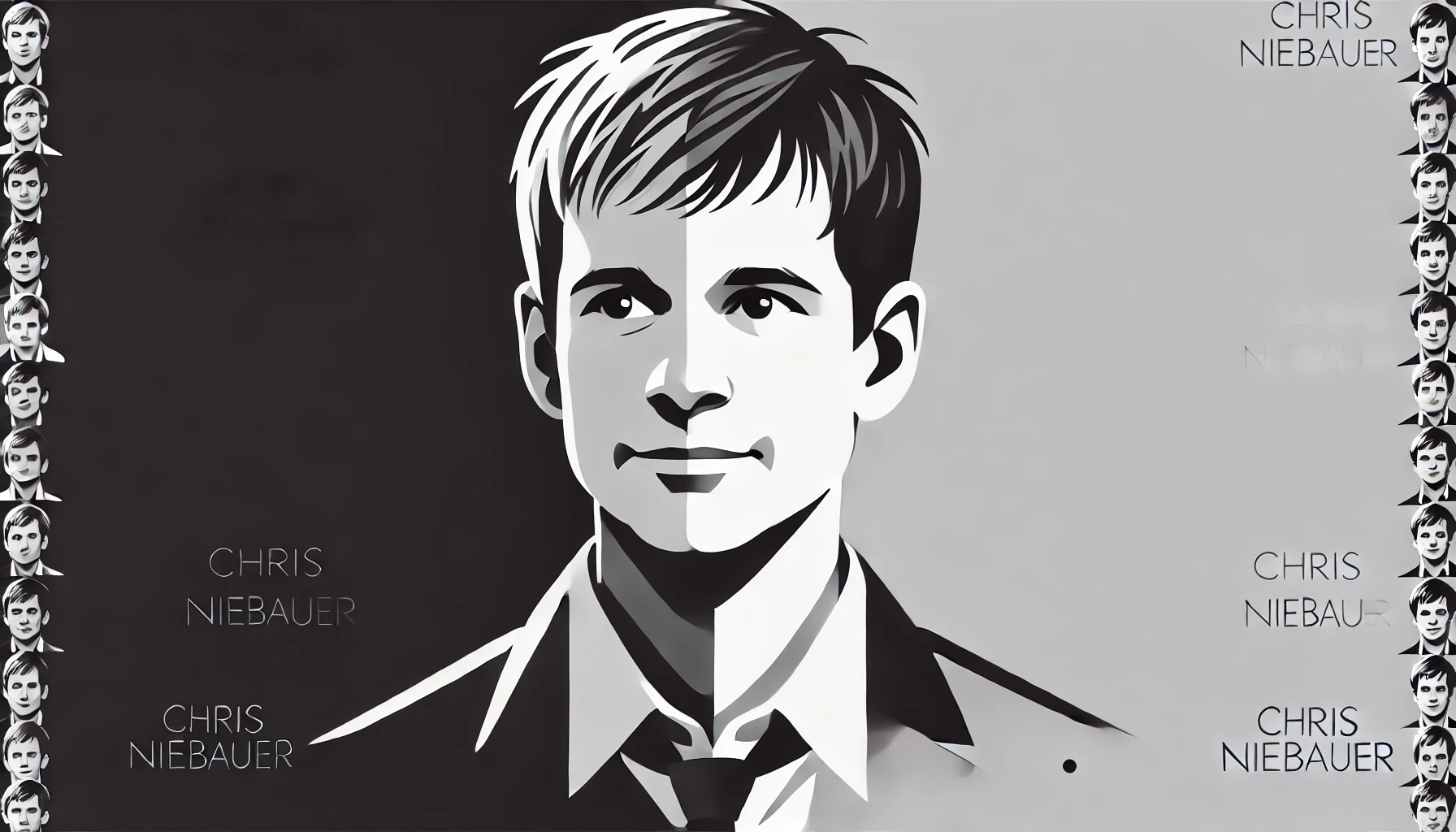
Introduction: The Illusion of the Self
In No Self, No Problem, Chris Niebauer blends neuroscience and Eastern philosophy to explore the concept of the self as an illusion. He argues that the sense of a fixed identity is a mental construct created by the brain’s left hemisphere. Drawing insights from Buddhism and cognitive psychology, Niebauer provides tools to overcome ego-based thinking and achieve greater freedom, clarity, and happiness.
The self you think you are is nothing more than a story the mind tells itself.
~ Chris Niebauer
Part 1: The Left Brain Interpreter – The Source of the Self
Niebauer introduces the concept of the left brain interpreter, the brain’s mechanism for creating a narrative to make sense of the world. This interpreter constructs the “self” by stringing together thoughts, memories, and labels, leading to a sense of continuity and identity.
Key Lessons:
- The “self” is a mental construct, not a fixed reality.
- The left brain is constantly creating explanations for behavior, even when it lacks evidence.
- This storytelling function leads us to cling to an illusory sense of identity.
The left brain is a storyteller, and it’s not always telling the truth.
~ Chris Niebauer
Part 2: The Ego and the Illusion of Control
The ego arises from the left brain’s need for control and certainty. Niebauer explains that this creates a constant need to defend and reinforce our identity, which leads to stress, anxiety, and dissatisfaction.
Key Lessons:
- The ego thrives on comparisons, judgments, and fears.
- Believing in the illusion of control causes unnecessary suffering.
- Letting go of the ego allows us to experience peace and clarity.
The ego is not who you are; it’s just the voice in your head trying to make sense of the world.
~ Chris Niebauer
Part 3: Breaking Free from the Self
Niebauer draws parallels between neuroscience and Buddhist teachings, showing that both suggest the self is impermanent and ever-changing. He encourages readers to embrace this insight to reduce attachment to thoughts and emotions.
Key Lessons:
- Meditation and mindfulness can quiet the left brain’s constant chatter.
- Observing thoughts without judgment helps to detach from ego-driven narratives.
- Accepting impermanence fosters resilience and emotional balance.
Freedom comes when you stop identifying with your thoughts and start observing them.
~ Chris Niebauer
Part 4: The Right Brain – Living in the Present Moment
Niebauer explains that while the left brain creates labels and narratives, the right brain is responsible for intuition, creativity, and presence. He advocates for activating the right brain to experience life more fully and authentically.
Key Lessons:
- Engage in creative activities like art, music, and nature walks to tap into the right brain.
- Practice mindfulness to connect with the present moment.
- Focus on experiences rather than labels to quiet the mind.
The right brain doesn’t analyze—it experiences.
~ Chris Niebauer
Part 5: Perception and Reality – Seeing the World as It Is
The book explains how the brain filters sensory input and creates a version of reality based on preconceptions and biases. Niebauer emphasizes that recognizing this process helps us see beyond illusions and connect with reality more clearly.
Key Lessons:
- Our perceptions are interpretations, not truths.
- Questioning assumptions leads to greater awareness and openness.
- Recognizing biases helps us avoid reactive thinking and judgment.
Reality is what’s left when you stop believing your thoughts.
~ Chris Niebauer
Part 6: The Science of Non-Self
Niebauer connects modern neuroscience with Buddhist teachings of Anatta, or “non-self.” He explains that the brain’s ability to create identity is adaptive, but mistaking it for a permanent self creates suffering.
Key Lessons:
- The brain is wired to categorize and label experiences, which reinforces the illusion of a stable identity.
- Letting go of attachment to identity reduces suffering and opens space for growth.
- Non-self does not mean non-existence; it means freedom from fixed ideas about who we are.
Let go of who you think you are, and you’ll discover who you’ve always been.
~ Chris Niebauer
Part 7: Practical Exercises to Embrace No-Self
Niebauer offers practical exercises to help readers apply the concept of no-self and experience its benefits.
Exercise 1: Mindfulness Meditation
- Focus on your breath and observe thoughts without judgment.
- Notice how thoughts appear and disappear without attachment.
Exercise 2: Label Dropping
- Avoid labeling yourself with fixed traits like “shy” or “lazy.”
- Practice seeing yourself as fluid and evolving rather than fixed.
Exercise 3: Present Moment Awareness
- Engage in activities that immerse you in the present, such as walking, listening to music, or painting.
When you stop chasing labels, you free yourself to be fully alive.
~ Chris Niebauer
Part 8: Living with Acceptance and Gratitude
Niebauer concludes by encouraging readers to embrace life’s uncertainties with acceptance and gratitude. He explains that detachment from the ego allows us to approach challenges with calmness and resilience.
Key Lessons:
- Gratitude shifts focus from what’s missing to what’s present.
- Accepting impermanence reduces fear and anxiety.
- Non-attachment fosters deeper connections and compassion.
Happiness isn’t something you find—it’s what happens when you let go.
~ Chris Niebauer
Key Takeaways
- The Self is an Illusion – The brain creates the sense of a fixed identity, but it’s not permanent or real.
- Ego Causes Suffering – Letting go of the ego reduces anxiety and promotes inner peace.
- Right Brain Awareness – Activating the right brain enhances presence, creativity, and intuition.
- Meditation Helps – Mindfulness practices train the brain to detach from ego-based thinking.
- Perception is Not Reality – Questioning thoughts and biases improves clarity and reduces judgment.
- Live in the Present – Focusing on experiences rather than labels cultivates gratitude and joy.
When you quiet the mind, you hear the wisdom that’s been there all along.
~ Chris Niebauer
Conclusion: Freedom Through Non-Self
No Self, No Problem offers a fresh perspective on identity, blending neuroscience with ancient wisdom to help readers achieve mental clarity and emotional freedom. By recognizing the self as an illusion, Niebauer empowers readers to let go of limiting beliefs and embrace life with greater awareness and authenticity.
You are not your thoughts, your labels, or your stories. You are the awareness behind them all.
~ Chris Niebauer
Leave a Reply
You must be logged in to post a comment.