
October 18 has seen transformative moments in politics, culture, and scientific discovery. Here are ten of the most significant events that occurred on this date.
1. The Siege of Rouen Ends – 1418
On October 18, 1418, the Siege of Rouen ended as Henry V of England took control of the city during the Hundred Years’ War. This victory solidified English dominance in northern France, contributing to the prolonged conflict between England and France.
“The cries of the people will echo through time as a reminder of both the cruelty of war and the perseverance of a nation in its darkest hour. Victory comes not through strength alone, but through determination and endurance.”
— Chronicler of the Hundred Years’ War.
2. Mason-Dixon Line Completed – 1767
On October 18, 1767, Charles Mason and Jeremiah Dixon completed the surveying of the Mason-Dixon Line, which would become the boundary between the northern free states and the southern slave states in the United States before the Civil War. Though originally meant to settle a border dispute, the line became a symbol of the divide between North and South.
“As we lay each stone and draw each line, we carve the boundaries of future conflicts, unaware of the tides of history that will rise and fall along this invisible border.”
— Charles Mason.
3. The First Summit of Mount Everest Attempted – 1921
October 18, 1921, marked the first-ever attempt to summit Mount Everest. Though unsuccessful, this British expedition paved the way for future climbers to reach the highest peak on Earth in the decades to follow.
“To climb Everest is to pit oneself against the ultimate challenge, a contest not only with nature but with the limits of human endurance. Every step upward is a battle with gravity, with weather, and with the very air we breathe.”
— George Mallory, British mountaineer.
4. Czechoslovakia Declares Independence – 1918 (Positive Event)
On October 18, 1918, the people of Czechoslovakia declared their independence from the Austro-Hungarian Empire. This moment of national unity and triumph marked the birth of a new nation after years of political struggle and repression.
“The hour of freedom has struck, and a new chapter in the life of our people begins. The chains of oppression have been broken, and we now step onto the world stage as a free and sovereign nation.”
— Tomáš Garrigue Masaryk, first President of Czechoslovakia.
5. U.S. Buys Alaska from Russia – 1867
On October 18, 1867, the United States formally took possession of Alaska from Russia. The purchase, orchestrated by Secretary of State William Seward, was initially ridiculed as “Seward’s Folly” but later proved to be a strategic and resource-rich acquisition for the U.S.
“We may have purchased a wilderness, but in that wilderness lies a future of untold opportunity. Its value will be measured not in the gold we pay but in the potential that awaits.”
— William Seward, U.S. Secretary of State.
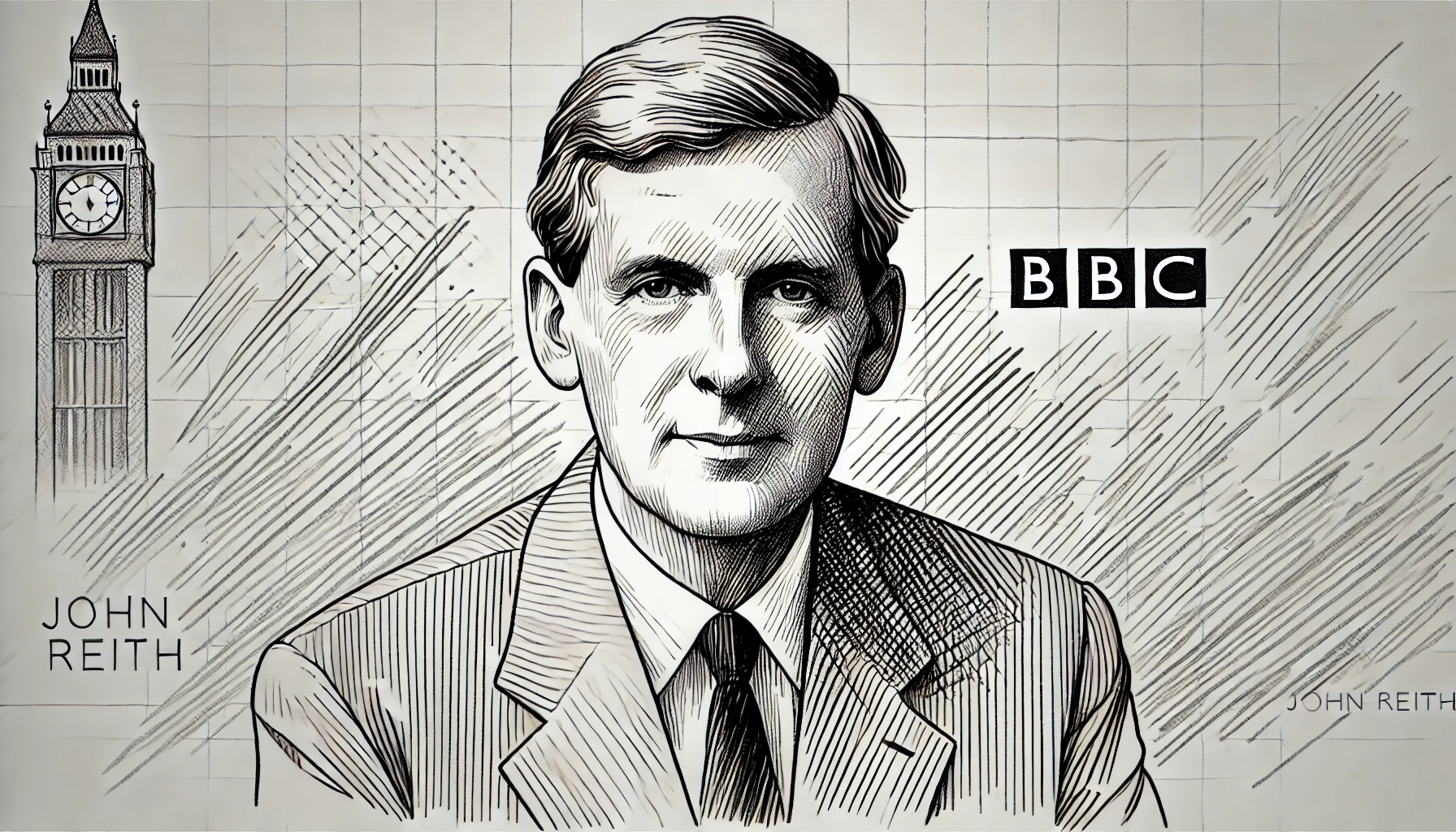
6. BBC Television Begins Regular Broadcasting – 1922
On October 18, 1922, the British Broadcasting Company (BBC) began its first regular radio broadcasts. Over time, the BBC would grow into one of the world’s most influential media organizations, setting standards for news, entertainment, and education.
“We are not just delivering soundwaves into the homes of millions; we are forging a new kind of connection, a bond between people, nations, and ideas, where distance and time fade away.”
— John Reith, 1922, first General Manager of the BBC.
7. The Nuremberg Trials Begin – 1945
On October 18, 1945, the Nuremberg Trials began, bringing high-ranking Nazi officials to justice for war crimes committed during World War II. These trials marked a historic moment in the pursuit of international justice and established precedents for human rights law.
“This trial is not just about punishing the guilty, but about setting a standard for humanity. It is a statement that crimes against peace, war crimes, and crimes against humanity will not be tolerated by any nation.”
— Justice Robert H. Jackson, Chief Prosecutor at the Nuremberg Trials.
8. The Treaty of Vienna Signed – 1864
On October 18, 1864, the Treaty of Vienna was signed, officially ending the Second Schleswig War between Denmark and the combined forces of Austria and Prussia. This treaty reshaped the boundaries of northern Europe and marked a turning point in European geopolitics.
“With the ink of this treaty, we mark the end of one conflict, but also the beginning of a new balance of power that will shape the course of Europe for years to come.”
— Austrian Chancellor.
9. Mother Teresa Awarded Nobel Peace Prize – 1979 (Positive Event)
On October 18, 1979, Mother Teresa was awarded the Nobel Peace Prize for her tireless work in alleviating poverty and helping the suffering around the world. Known for her humanitarian work in Calcutta, she became a symbol of compassion and selflessness.
“I am but a small pencil in the hand of God, writing a message of love to the world. My work is not about recognition, but about touching the lives of those who need it most, with kindness and care.”
— Mother Teresa, during her Nobel Peace Prize acceptance speech.
10. F. Scott Fitzgerald’s “The Beautiful and Damned” Published – 1922
On October 18, 1922, F. Scott Fitzgerald’s novel “The Beautiful and Damned” was published, solidifying his place as one of America’s greatest literary figures. The novel explores themes of love, decadence, and the American Dream, themes that would later be expanded in his magnum opus, The Great Gatsby.
“In this novel, I sought to capture the fleeting nature of beauty and success, the hollow promises that seem so alluring but leave us chasing shadows. It is a reflection of the times, but also a timeless mirror of human desire.”
— F. Scott Fitzgerald.
Leave a Reply
You must be logged in to post a comment.