
1790: First Session of the U.S. Supreme Court
On February 1, 1790, the U.S. Supreme Court held its first session in New York City. Though no cases were heard, this marked the beginning of the judiciary’s role as a coequal branch of the U.S. government.
“The life of the law has not been logic; it has been experience.”
~ Oliver Wendell Holmes Jr.
Source: The Common Law, 1881
Lesson: Justice is shaped by the lived realities of the people it serves.
1861: Texas Secedes from the Union
On February 1, 1861, Texas voted to secede from the United States, joining the Confederate States of America in the lead-up to the American Civil War. This decision deepened the division between North and South.
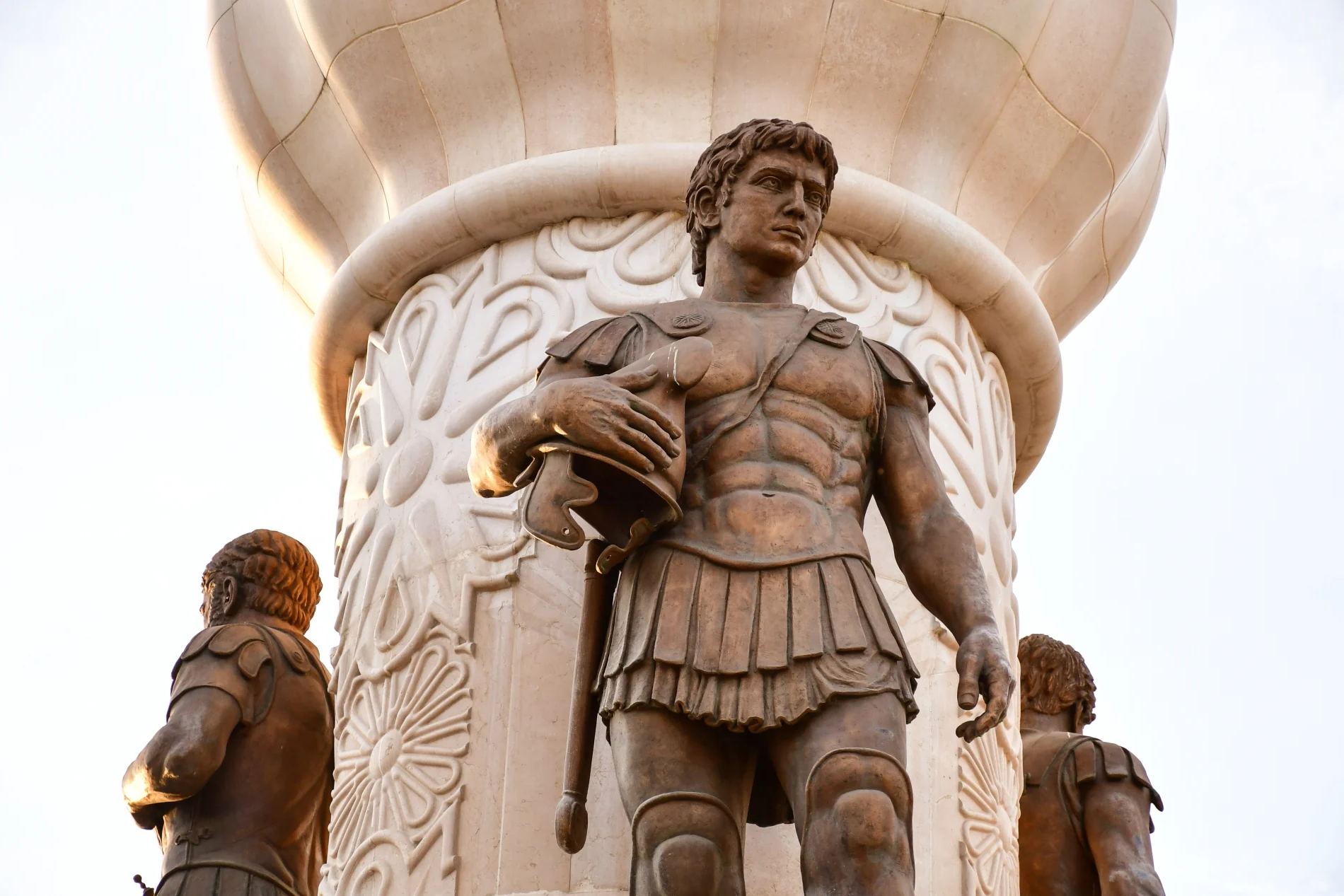
“Upon the conduct of each depends the fate of all” ~ Alexander The Great
1884: First Volume of the Oxford English Dictionary Published
On February 1, 1884, the first volume of the Oxford English Dictionary was published. This monumental project, which took decades to complete, became a cornerstone for understanding and studying the English language.
“Words are the physicians of the mind diseased.”
~ Aeschylus
Source: Prometheus Bound, 5th century BC
Lesson: Language has the power to heal, educate, and connect humanity.
1893: Thomas Edison Completes the First Motion Picture Studio
On February 1, 1893, Thomas Edison completed the construction of the world’s first motion picture studio, the Black Maria, in West Orange, New Jersey. This innovation revolutionized entertainment.
“Genius is one percent inspiration and ninety-nine percent perspiration.”
~ Thomas Edison
Source: Interviews, 1903
Lesson: Achievements are built on relentless effort and hard work.
1920: The Royal Canadian Mounted Police Formed
On February 1, 1920, the Royal Northwest Mounted Police merged with the Dominion Police to create the Royal Canadian Mounted Police (RCMP). The RCMP became an enduring symbol of Canadian identity and justice.
“To serve and protect is not just a slogan; it’s a way of life.”
~ RCMP Motto
Source: RCMP Training Manual, 1950s
Lesson: Public service is grounded in dedication to safety and fairness.
1949: RCA Unveils the 45 RPM Record
On February 1, 1949, RCA Victor introduced the 45 RPM record, revolutionizing the music industry. This format allowed for better sound quality and durability, changing the way people consumed music.
“Music can change the world because it can change people.”
~ Bono
Source: Speeches, 2003
Lesson: Music is a transformative force that connects and inspires.
1960: Greensboro Sit-Ins Begin
On February 1, 1960, four African American college students began a peaceful sit-in at a segregated Woolworth’s lunch counter in Greensboro, North Carolina. This event became a pivotal moment in the Civil Rights Movement.
“Our lives begin to end the day we become silent about things that matter.”
~ Martin Luther King Jr.
Source: Speeches, 1965
Lesson: Courageous action is the catalyst for social change.
1972: First Scientific Handheld Calculator Introduced
On February 1, 1972, Hewlett-Packard introduced the HP-35, the first scientific handheld calculator. It replaced slide rules, becoming an essential tool for engineers, scientists, and students.
“The measure of intelligence is the ability to change.”
~ Albert Einstein
Source: Essays, 1940s
Lesson: Embracing innovation enhances learning and efficiency.
1994: Space Shuttle Discovery Launches the First Female Shuttle Pilot
On February 1, 1994, the Space Shuttle Discovery launched, with Eileen Collins as the first female shuttle pilot. Her groundbreaking achievement paved the way for future women in space exploration.
“The sky is not the limit; it’s just the beginning.”
~ Eileen Collins
Source: Interviews, 1995
Lesson: Breaking barriers opens doors for others to follow.
2003: Space Shuttle Columbia Disaster
On February 1, 2003, the Space Shuttle Columbia disintegrated upon reentry, killing all seven crew members. The tragedy prompted reforms in NASA’s safety protocols and left a lasting legacy on space exploration.
“Failure is not the opposite of success; it’s part of success.”
~ Arianna Huffington
Source: Interviews, 2012
Lesson: Losses and setbacks teach us the importance of resilience and progress.
Leave a Reply
You must be logged in to post a comment.