
1620: The Mayflower Compact Signed
On November 21, 1620, The Mayflower Compact, an early agreement for self-governance, was signed by the Pilgrims aboard the Mayflower. It became the foundation for governance in the Plymouth Colony.
We covenant and combine ourselves together into a civil body politic.
~ The Mayflower Compact
This historic agreement reflected the Pilgrims’ commitment to a united community built on shared principles.
1783: First Manned Balloon Flight by Montgolfier Brothers
On November 21, 1783, Jean-François Pilâtre de Rozier and François Laurent d’Arlandes made the first manned balloon flight in Paris. The flight, designed by the Montgolfier brothers, lasted 25 minutes and covered about 5 miles.
Science, my lad, is made up of mistakes, but they are mistakes which it is useful to make because they lead little by little to the truth.
~ Jules Verne (reflecting on early science and innovation)
1694: Birth of François-Marie Arouet (Voltaire)
On November 21, 1694, François-Marie Arouet, better known as Voltaire, was born in Paris. A master of satire, Voltaire became a central figure in the Enlightenment, championing reason and free expression.
I disapprove of what you say, but I will defend to the death your right to say it.
~ Evelyn Beatrice Hall (paraphrasing Voltaire’s philosophy)
This attributed concept encapsulates Voltaire’s advocacy for freedom of speech.
1877: Thomas Edison Announces the Phonograph
On November 21, 1877, Thomas Edison introduced the phonograph, the first device capable of recording and reproducing sound. This invention revolutionized communication and entertainment.
I have not failed. I’ve just found 10,000 ways that won’t work.
~ Thomas Edison
This quote reflects Edison’s relentless pursuit of innovation.
1898: Birth of René Magritte, Belgian Surrealist Painter
On November 21, 1898, René Magritte, the influential Belgian surrealist painter, was born. His works, like The Son of Man, challenged viewers’ perceptions of reality.
Everything we see hides another thing; we always want to see what is hidden by what we see.
~ René Magritte
Magritte’s enigmatic approach invited viewers to question their assumptions about reality.
1920: Bloody Sunday in Dublin
On November 21, 1920, Bloody Sunday unfolded during the Irish War of Independence. Coordinated attacks by the Irish Republican Army (IRA) on British intelligence agents were met with brutal retaliation, leaving dozens dead.
In the midst of the struggle, we must remember why we fight: for the freedom and dignity of our people.
~ Michael Collins
Collins highlighted the IRA’s broader goals for Irish independence.
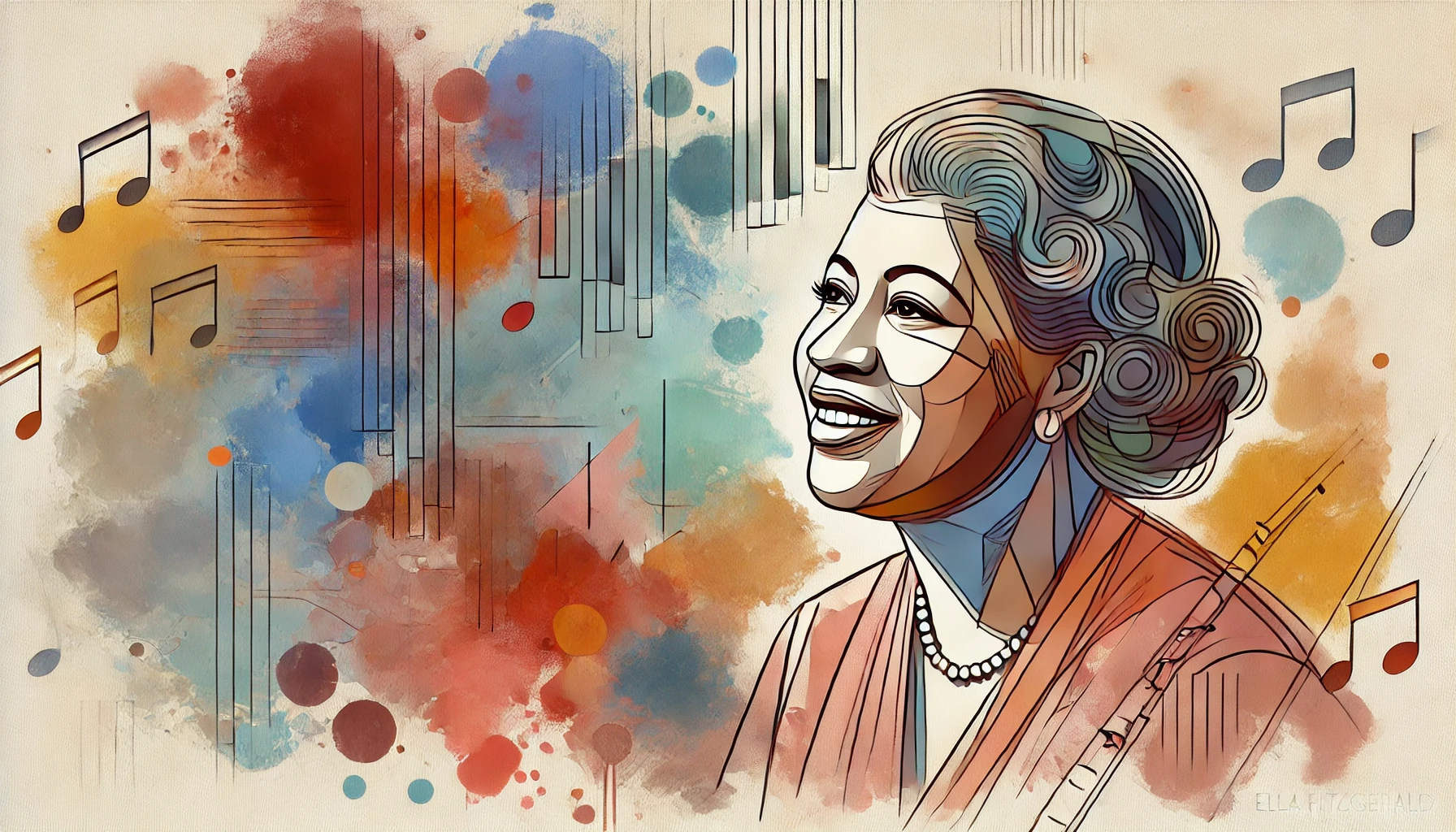
1934: Ella Fitzgerald’s Debut at the Apollo Theater
On November 21, 1934, a 17-year-old Ella Fitzgerald performed at the Apollo Theater’s Amateur Night, launching her iconic career in jazz and becoming the “First Lady of Song.”
It isn’t where you came from; it’s where you’re going that counts.
~ Ella Fitzgerald
Fitzgerald’s journey from a difficult childhood to musical stardom inspired countless fans.
1953: Pilot Scott Crossfield Breaks Mach 2
On November 21, 1953, test pilot Scott Crossfield became the first person to fly at twice the speed of sound, achieving Mach 2 in the Douglas D-558-2 Skyrocket.
To push beyond what’s possible is to redefine the limits of human achievement.
~ Scott Crossfield
Crossfield’s accomplishment symbolized human ingenuity and courage.
1969: First ARPANET Link Established
On November 21, 1969, the first permanent connection on the ARPANET, the precursor to the modern internet, was established between UCLA and Stanford Research Institute. This milestone marked the birth of interconnected digital communication.
The network is not just a tool but a revolution, reshaping how humanity connects and shares knowledge.
~ Leonard Kleinrock (ARPANET pioneer)
1995: Signing of the Dayton Agreement
On November 21, 1995, leaders from Bosnia, Croatia, and Serbia signed the Dayton Agreement, ending the Bosnian War. This peace accord brought stability to the Balkans after years of devastating conflict.
Peace is not the absence of war, but the courage to resolve conflict through dialogue.
~ Richard Holbrooke
Holbrooke, who brokered the agreement, emphasized diplomacy’s critical role in resolving disputes.
Leave a Reply
You must be logged in to post a comment.