
October 26 has been marked by significant events across politics, military history, and technological advances. Here are 12 key moments from this day, presented in chronological order.
1774: First Continental Congress Adjourns
On October 26, 1774, the First Continental Congress adjourned in Philadelphia after issuing a declaration of colonial rights and grievances. This congress was a pivotal step toward American independence, uniting the colonies in their opposition to British rule.
“We have met, we have spoken, and we have acted in the cause of liberty. Though divided by geography, we are united by principle.”
~ Delegate of the Continental Congress.
1825: The Erie Canal Officially Opens
On October 26, 1825, the Erie Canal was officially opened, connecting the Hudson River to Lake Erie. This engineering marvel transformed trade and transportation in the United States, making New York City the nation’s principal port.
“The Erie Canal is not just a triumph of engineering, but a symbol of human ambition and the desire to connect, to trade, to grow.”
~ New York Governor DeWitt Clinton.
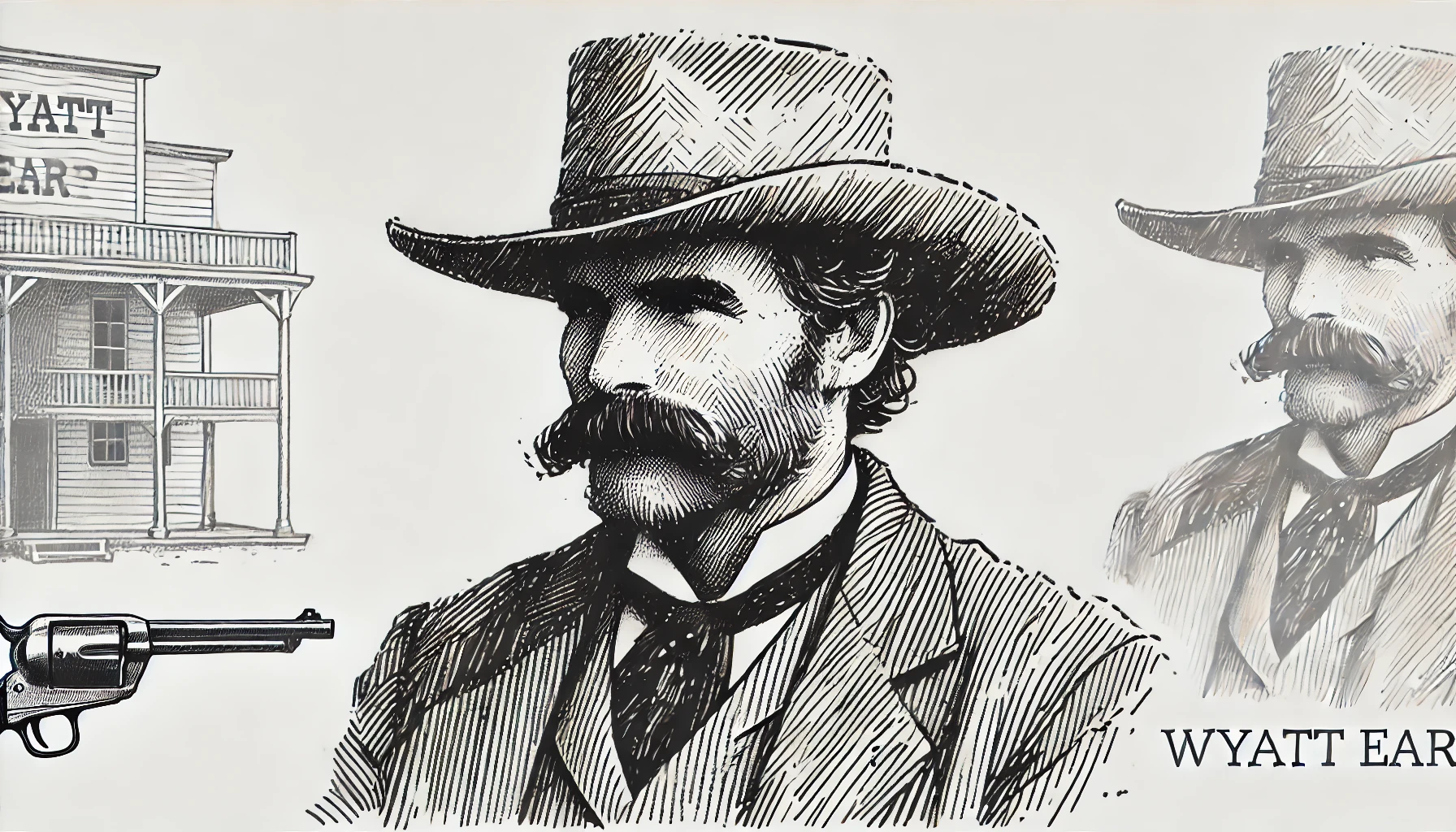
1881: The Gunfight at the O.K. Corral
On October 26, 1881, the infamous Gunfight at the O.K. Corral took place in Tombstone, Arizona. The 30-second shootout between lawmen led by Wyatt Earp and the Clanton-McLaury gang became a legendary event in the history of the American West.
I wasn’t after glory or fame, but I meant to see the thing through. We fought as we lived—by the code of the West ~ Wyatt Earp.
1905: Sweden and Norway Formally Separate
On October 26, 1905, Sweden and Norway officially dissolved their union, which had existed since 1814. This peaceful separation was formalized through negotiations, marking a significant moment of diplomacy in Scandinavian history.
“The bonds of friendship between our two nations will endure, though we now walk separate paths.”
~ King Oscar II of Sweden.
1940: The P-51 Mustang’s First Flight
On October 26, 1940, the P-51 Mustang, one of the most iconic fighter planes of World War II, made its first flight. The aircraft would go on to play a crucial role in securing Allied air superiority.
“The Mustang’s speed and agility make it a formidable weapon, one that will help turn the tide of this great conflict.”
~ British Air Ministry official.
1944: Battle of Leyte Gulf Ends
On October 26, 1944, the Battle of Leyte Gulf, one of the largest naval battles in history, concluded with an Allied victory over Japan. The battle ensured Allied control of the Philippines and marked a decisive turning point in the Pacific Theater of World War II.
“In this battle, we have shattered the strength of the enemy fleet. Victory in the Pacific is now within our grasp.”
~ Admiral William Halsey.
1947: Kashmir Conflict Begins
On October 26, 1947, the Kashmir conflict began when Maharaja Hari Singh of Jammu and Kashmir agreed to join India, sparking the first war between India and Pakistan. The conflict over the region continues to be a flashpoint between the two countries.
“Kashmir is ours. This is not just a matter of land, but of our identity and our future.”
~ Indian Prime Minister Jawaharlal Nehru.
1955: Ngo Dinh Diem Becomes President of South Vietnam
On October 26, 1955, Ngo Dinh Diem declared himself the first president of the newly established Republic of Vietnam (South Vietnam). His rule, marked by authoritarianism and corruption, set the stage for the Vietnam War.
“In this new republic, we stand at the crossroads of freedom and tyranny. It is our duty to build a nation worthy of its people.”
~ Ngo Dinh Diem.
1979: South Korean President Park Chung-hee Assassinated
On October 26, 1979, Park Chung-hee, the president of South Korea, was assassinated by the head of his intelligence service. Park’s authoritarian rule had modernized South Korea, but his death led to a period of political instability.
“History will judge Park’s legacy, but today, we face the uncertainty of what comes next for our nation.”
~ South Korean official after Park’s death.
1984: The Terminator Released
On October 26, 1984, The Terminator, directed by James Cameron and starring Arnold Schwarzenegger, was released in U.S. theaters. The film became a science fiction classic and launched a franchise that would go on to influence popular culture.
_”I’ll be back.”
~ The Terminator (Arnold Schwarzenegger).
2001: The USA PATRIOT Act Passed
On October 26, 2001, President George W. Bush signed the USA PATRIOT Act into law in response to the September 11 attacks. The act expanded government surveillance powers and became highly controversial for its impact on civil liberties.
“We must meet the threats of our time with new tools. The Patriot Act provides our law enforcement with the resources they need to protect America.”
~ President George W. Bush.
2017: Jacinda Ardern Sworn In as New Zealand’s Prime Minister
On October 26, 2017, Jacinda Ardern was sworn in as the 40th Prime Minister of New Zealand. At 37, she became one of the youngest female heads of government in the world, leading New Zealand through crises including the COVID-19 pandemic.
“I want New Zealand to be a place where everyone has the same opportunities, no matter where they come from or who they are. That’s the kind of country I want to lead.”
~ Jacinda Ardern.
Leave a Reply
You must be logged in to post a comment.