
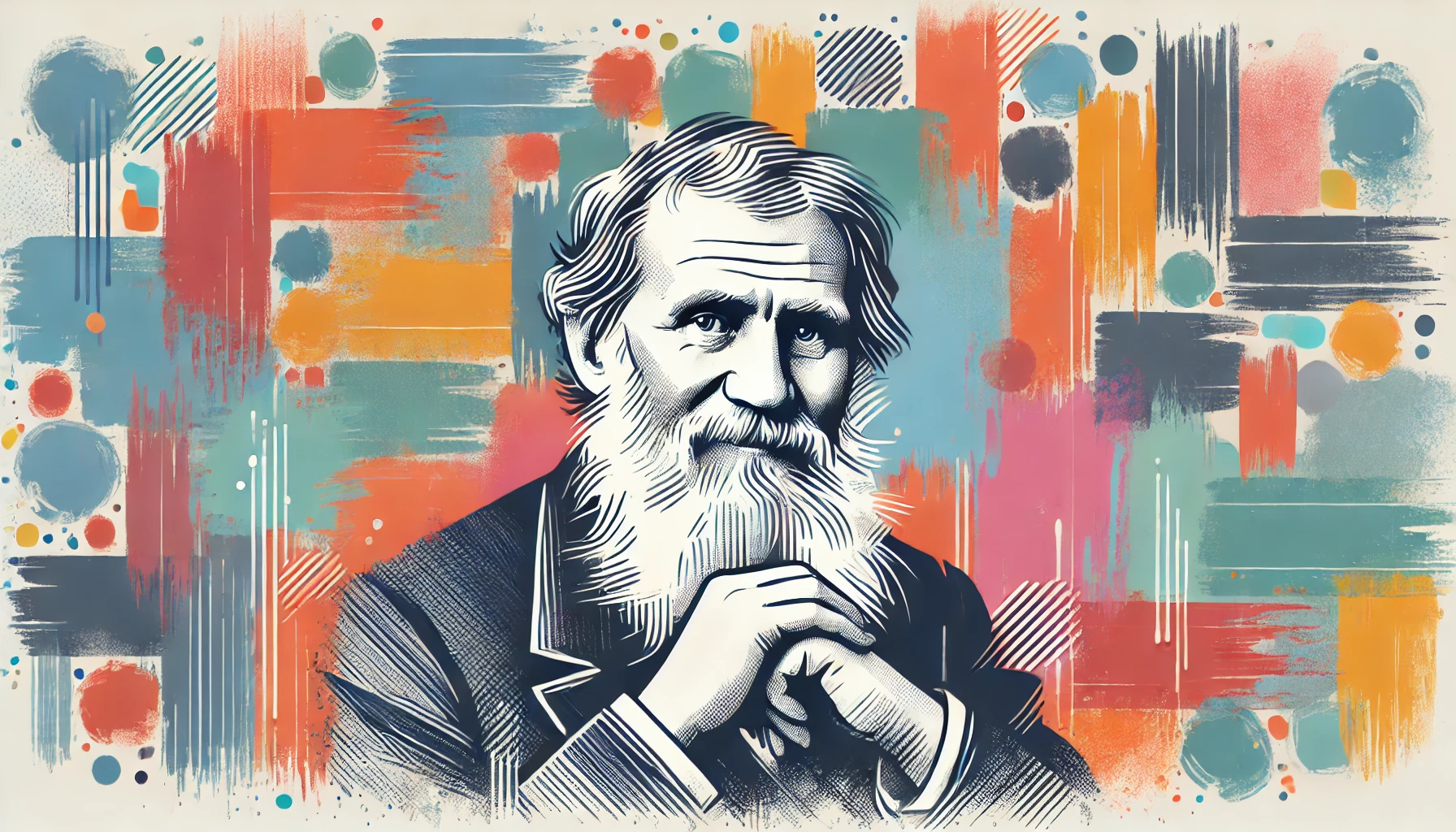
1095: Pope Urban II Calls for the First Crusade
On November 27, 1095, Pope Urban II called for the First Crusade during the Council of Clermont, urging Christians to reclaim Jerusalem from Muslim rule. This marked the beginning of centuries of religious conflict between Christians and Muslims.
All who die by the way, whether by land or by sea, or in battle against the pagans, shall have immediate remission of sins.
~ Pope Urban II
1703: The Great Storm of 1703 Devastates Southern England
On November 27, 1703, the Great Storm of 1703, one of the most severe storms in British history, reached its peak. It caused widespread devastation, killing thousands and sinking hundreds of ships.
Nature’s fury spares none; it humbles man and his creations alike.
~ British observer of the storm
1830: St. Catherine Labouré Reports the Vision of the Miraculous Medal
On November 27, 1830, Catherine Labouré, a French nun, claimed to have seen a vision of the Virgin Mary, leading to the creation of the Miraculous Medal, a symbol of faith worn by millions.
God speaks not in thunder, but in the whispers of the soul that are loud enough to change the world.
~ Catherine Labouré
1895: Alfred Nobel Establishes the Nobel Prizes
On November 27, 1895, Alfred Nobel, inventor of dynamite, signed his will, establishing the Nobel Prizes to recognize excellence in peace, literature, and science. His legacy transformed how the world celebrates human achievement.
If I have a thousand ideas and only one turns out to be good, I am satisfied.
~ Alfred Nobel
1910: Death of Leo Tolstoy, Russian Novelist
On November 27, 1910, Leo Tolstoy, the celebrated Russian author of War and Peace and Anna Karenina, died. Known for his moral and spiritual explorations, Tolstoy’s works remain cornerstones of world literature.
Everyone thinks of changing the world, but no one thinks of changing himself.
~ Leo Tolstoy
Tolstoy emphasized the importance of self-reflection as a precursor to broader change.
The two most powerful warriors are patience and time.
~ Leo Tolstoy
His understanding of perseverance and resilience underpinned much of his writing.
In the name of God, stop a moment, cease your work, look around you.
~ Leo Tolstoy
Tolstoy valued mindfulness and the need to pause in the rush of life.
There is no greatness where there is no simplicity, goodness, and truth.
~ Leo Tolstoy
This quote reflects his belief in the virtues of humility and integrity.
Art is not a handicraft, it is the transmission of feeling the artist has experienced.
~ Leo Tolstoy
He viewed art as a powerful medium for human connection.
True life is lived when tiny changes occur.
~ Leo Tolstoy
Tolstoy often celebrated incremental progress as the foundation of a meaningful life.
The sole meaning of life is to serve humanity.
~ Leo Tolstoy
Tolstoy’s moral philosophy revolved around service and altruism.
All, everything that I understand, I understand only because I love.
~ Leo Tolstoy
For Tolstoy, love was the cornerstone of understanding and purpose.
Happiness does not depend on outward things, but on the way we see them.
~ Leo Tolstoy
He recognized that perspective shapes experience more than circumstances.
The most important thing in life is to stop saying ‘I wish’ and start saying ‘I will.’
~ Leo Tolstoy
Tolstoy advocated for action over wishful thinking in achieving goals.
Unusual Facts:
- Tolstoy renounced his aristocratic lifestyle and gave up his wealth later in life.
- He was excommunicated from the Russian Orthodox Church due to his radical views on religion.
- Tolstoy’s pacifist philosophy inspired figures like Mahatma Gandhi and Martin Luther King Jr.
- He walked away from his family estate shortly before his death, seeking spiritual clarity.
- His death was witnessed by a crowd, as it occurred in a remote train station where news had spread rapidly.
1924: First Macy’s Thanksgiving Day Parade
On November 27, 1924, the inaugural Macy’s Thanksgiving Day Parade was held in New York City. This iconic celebration became a cherished tradition, drawing millions of spectators annually.
Gratitude shared in celebration is a powerful force that unites us beyond all differences.
~ Parade organizer
1942: French Scuttle Fleet at Toulon During World War II
On November 27, 1942, the French Navy scuttled its fleet in Toulon to prevent it from falling into German hands. This dramatic act denied the Axis forces valuable naval power during World War II.
Better to sink with honor than to serve without freedom.
~ French naval officer
1971: Mars 2 Becomes the First Object to Reach Mars
On November 27, 1971, the Soviet spacecraft Mars 2 became the first human-made object to reach Mars, though it crash-landed. It marked a milestone in space exploration.
In touching another planet, we extend the reach of human curiosity into the infinite.
~ Soviet space scientist
1978: Assassination of Harvey Milk and George Moscone
On November 27, 1978, Harvey Milk, one of the first openly gay elected officials in the U.S., and George Moscone, Mayor of San Francisco, were assassinated by former city supervisor Dan White. Milk’s legacy continues to inspire the fight for LGBTQ+ rights.
Hope will never be silent.
~ Harvey Milk
2005: Ellen Johnson Sirleaf Becomes First Female African Head of State
On November 27, 2005, Ellen Johnson Sirleaf was elected as the first female head of state in Africa, assuming the presidency of Liberia. Her leadership symbolized progress and resilience for the continent.
If your dreams do not scare you, they are not big enough.
~ Ellen Johnson Sirleaf
Leave a Reply
You must be logged in to post a comment.