
1600: The British East India Company is Chartered
On December 31, 1600, Queen Elizabeth I granted a royal charter to the British East India Company, enabling it to trade in the East Indies and laying the foundation for British colonial expansion.
“Commerce thrives not in conquest but in cooperation, where trust builds lasting prosperity.”
~ Richard Hakluyt
Source: Hakluyt’s writings, 1600
1695: Window Tax Introduced in England
On December 31, 1695, England imposed a window tax, taxing properties based on the number of windows. The tax led many to brick up windows, earning the nickname “daylight robbery.”
“Taxes are the price we pay for civilization, yet fairness must light every corner they touch.”
~ John Locke
Source: Locke’s writings on governance, 1695
1857: Ottawa Chosen as Capital of Canada
On December 31, 1857, Queen Victoria selected Ottawa as the capital of Canada, balancing the linguistic and regional differences in the country.
“A nation’s strength lies not only in its borders but in its unity of purpose and vision.”
~ Sir John A. Macdonald
Source: Macdonald’s addresses, 1857
1879: Thomas Edison Demonstrates the First Practical Electric Light
On December 31, 1879, Thomas Edison demonstrated the first practical incandescent light bulb in Menlo Park, New Jersey, revolutionizing daily life and industry.
“I have not failed. I’ve just found 10,000 ways that won’t work.”
~ Thomas Edison
Source: Edison’s interviews, 1879
1907: The First New Year’s Eve Ball Drop in Times Square
On December 31, 1907, the first ball drop took place in Times Square, New York City, starting a tradition that has become a global symbol of hope and renewal.
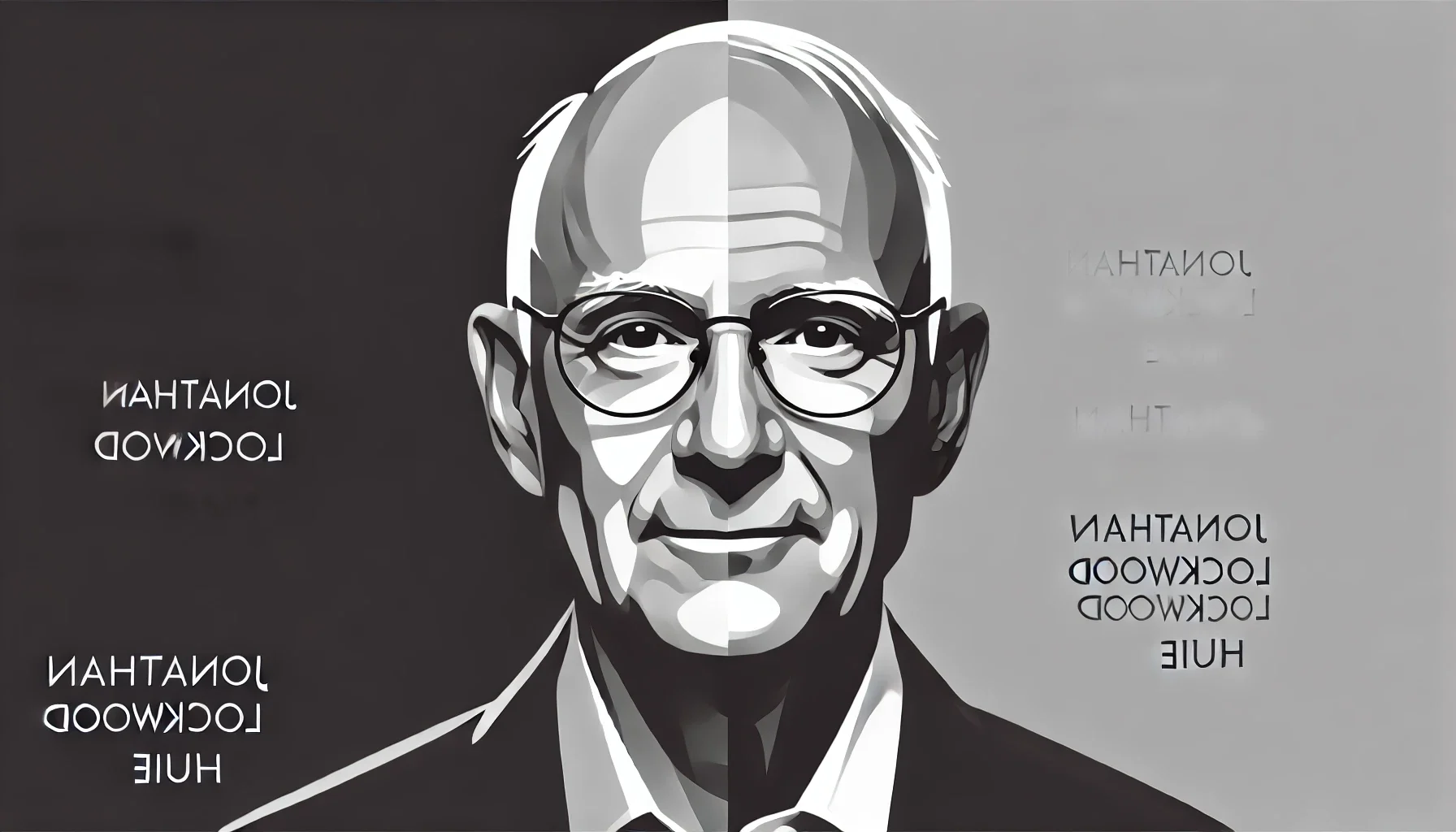
“Celebrate endings—for they precede new beginnings.”
~ Jonathan Lockwood Huie
Source: Inspirational reflections, 2007
1946: U.S. President Harry S. Truman Proclaims Official End of World War II
On December 31, 1946, President Harry S. Truman declared the official end of World War II, closing one of history’s darkest chapters and initiating post-war reconstruction.
“History will remember not only what we fought against but also what we fought for—freedom, justice, and peace.”
~ Harry S. Truman
Source: Truman’s proclamation, 1946
1960: The Faroe Islands Gain Autonomy
On December 31, 1960, the Faroe Islands gained autonomy from Denmark, maintaining self-governance while remaining part of the Danish Kingdom.
“Freedom is not about independence alone; it is about the right to determine one’s own destiny.”
~ V. C. Hammershaimb
Source: Faroese political speeches, 1960
1991: Soviet Union Officially Dissolves
On December 31, 1991, the Soviet Union ceased to exist, completing the collapse of one of the 20th century’s superpowers and marking the birth of 15 independent nations.
“The end of an empire is not the end of hope—it is the beginning of a new chapter in history.”
~ Boris Yeltsin
Source: Yeltsin’s speeches, 1991
1999: Boris Yeltsin Resigns as President of Russia
On December 31, 1999, Boris Yeltsin resigned as President of Russia, handing power to Vladimir Putin and marking a shift in the country’s political landscape.
“A leader’s greatest act is knowing when to step aside for the future to take root.”
~ Boris Yeltsin
Source: Yeltsin’s resignation address, 1999
2019: COVID-19 Identified by Chinese Authorities
On December 31, 2019, Chinese authorities informed the World Health Organization (WHO) about an outbreak of pneumonia-like illness in Wuhan, later identified as COVID-19, sparking a global pandemic.
“In times of crisis, compassion and unity are our greatest defenses.”
~ Tedros Adhanom Ghebreyesus
Source: WHO briefings, 2020
Leave a Reply
You must be logged in to post a comment.