
1429: Henry VI Crowned King of England
On November 6, 1429, Henry VI was crowned King of England at just nine months old, making him one of the youngest monarchs in English history. His reign was fraught with internal strife, culminating in the Wars of the Roses.
“A man who takes up the crown so young must rely on wise counsel to govern well, for the weight of the realm rests on shoulders not yet grown.”
~ William Shakespeare, Henry VI, Part 3
1860: Abraham Lincoln Elected U.S. President
On November 6, 1860, Abraham Lincoln was elected the 16th president of the United States. His election marked the beginning of a turbulent era in American history, ultimately leading to the Civil War and the abolition of slavery.
“With malice toward none, with charity for all, with firmness in the right as God gives us to see the right, let us strive on to finish the work we are in, to bind up the nation’s wounds.”
~ Abraham Lincoln
1861: Jefferson Davis Elected President of the Confederacy
On November 6, 1861, Jefferson Davis was elected as the president of the Confederate States of America. His presidency symbolized the Southern resistance during the American Civil War, though it ultimately ended in defeat.
“Our cause is just, and we must never abandon the principles for which we stand, no matter the hardship or the cost.”
~ Jefferson Davis
1869: First American Football Game Played
On November 6, 1869, Rutgers and Princeton played the first official American football game in New Jersey. This early game was closer to soccer than modern football, but it laid the foundation for the sport in the United States.
“The game brings out every element of the rugged, the daring, and the strategic, forging the American character through its scrimmages and its triumphs.”
~ Walter Camp, “Father of American Football”
1917: Bolshevik Revolution Begins in Russia
On November 6, 1917, Vladimir Lenin and the Bolsheviks initiated the October Revolution, which led to the overthrow of Russia’s Provisional Government and the establishment of Soviet power. This event would shape global politics for much of the 20th century.
“There are decades where nothing happens, and there are weeks where decades happen.”
~ Vladimir Lenin
1928: Herbert Hoover Elected U.S. President
On November 6, 1928, Herbert Hoover was elected the 31st president of the United States. Taking office just before the Great Depression, Hoover’s presidency was defined by efforts to combat the devastating economic crisis.
“Economic depression cannot be cured by legislative action or executive pronouncement. Economic wounds must be healed by the action of the cells of the economic body—the producers and consumers themselves.”
~ Herbert Hoover
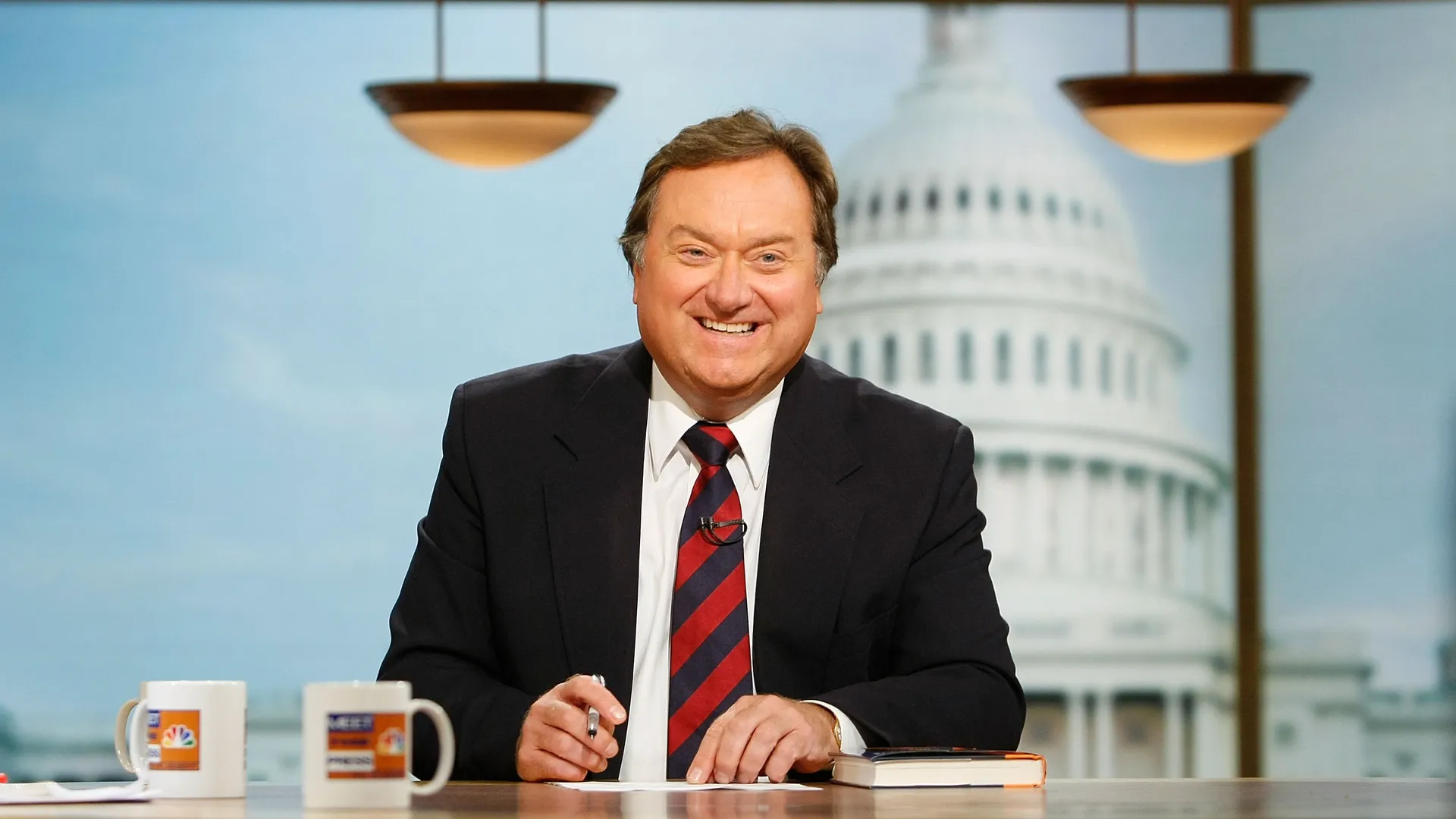
1947: Meet the Press Debuts on NBC
On November 6, 1947, Meet the Press, the longest-running television show in history, debuted on NBC. Known for its high-profile interviews with political figures, the program has become a cornerstone of American political journalism.
“Our job is to ask the questions that others are afraid to ask, to press on even when the answers are uncomfortable, for the sake of a transparent democracy.”
~ Tim Russert, former Meet the Press host
1962: United Nations Condemns Apartheid in South Africa
On November 6, 1962, the United Nations General Assembly adopted a resolution condemning apartheid and urging member nations to cut economic ties with South Africa. This international stand highlighted global opposition to racial segregation.
“To deny people their human rights is to challenge their very humanity.”
~ Nelson Mandela
1985: Blockbuster Opens Its First Store
On November 6, 1985, the first Blockbuster Video store opened in Dallas, Texas, revolutionizing the home entertainment industry and bringing movies into millions of homes across the United States.
“Movies are the great escape, the dream machine that brings the impossible into the living rooms of America.”
~ David Cook, Blockbuster founder
1999: Australians Vote to Keep the British Monarch
On November 6, 1999, Australians voted in a national referendum to retain the British monarch as their head of state, rejecting a proposal to become a republic. The decision kept Queen Elizabeth II as the symbolic leader of Australia.
“There is a great irony in calling for independence while celebrating a tradition that binds us to history. The choice we make today defines not only our identity, but our legacy.”
~ Malcolm Turnbull, Australian republican campaigner
2005: First Human Face Transplant Performed
On November 6, 2005, Isabelle Dinoire became the first person to receive a partial face transplant after being attacked by a dog. This groundbreaking surgery opened new possibilities for patients with severe facial injuries.
“In giving someone back their face, you give them back their spirit, their place in the world, and their ability to live as they once did.”
~ Dr. Jean-Michel Dubernard, lead surgeon
2012: Barack Obama Re-Elected U.S. President
On November 6, 2012, Barack Obama was re-elected as the 44th president of the United States, defeating Mitt Romney. His second term focused on healthcare reform, climate change, and economic recovery.
“The American journey goes forward because we don’t turn back. We pick ourselves up, we fight on, and we remind ourselves that no challenge is too great as long as we stand together.”
~ Barack Obama
Leave a Reply
You must be logged in to post a comment.