
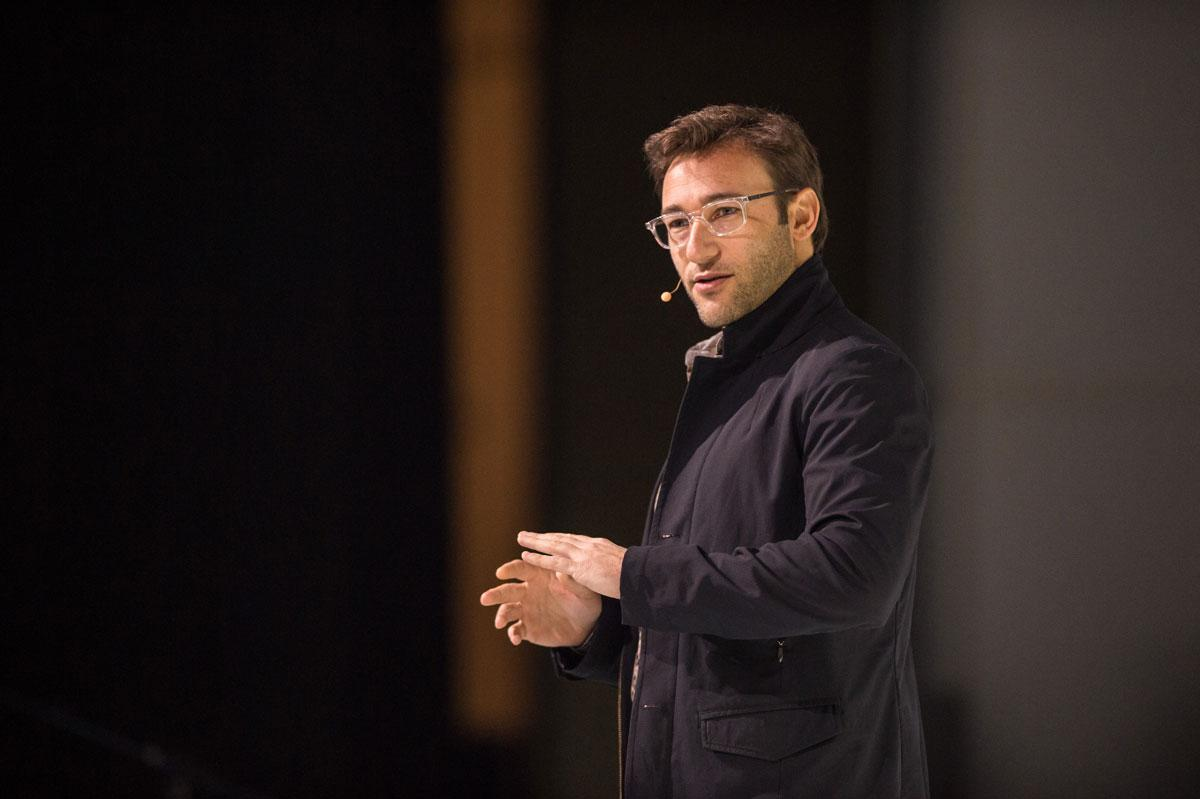
Introduction: The Power of Why
Start With Why by Simon Sinek explores how great leaders and organizations inspire action by focusing on their purpose—”why” they do what they do—before addressing the “how” or “what.” Sinek introduces the “Golden Circle,” a framework for understanding the importance of starting with why to build loyalty, trust, and lasting success.
People don’t buy what you do; they buy why you do it.
~ Simon Sinek
The Golden Circle: Why, How, What
The Golden Circle is the core concept of Sinek’s philosophy. It consists of three layers:
- Why: The purpose, cause, or belief that inspires you.
- How: The process or approach you use to achieve your “why.”
- What: The tangible products or services you deliver.
Most organizations start with “what” they do and work outward, but truly inspirational leaders and companies begin with “why” and let that guide every decision.
The goal is not to do business with everyone who needs what you have. The goal is to do business with people who believe what you believe.
~ Simon Sinek
Why Matters: Inspiring Action and Loyalty
Sinek argues that starting with why taps into human emotions, creating a deeper connection with customers, employees, and stakeholders. People are drawn to organizations and leaders whose purpose aligns with their own values and beliefs.
Key Example:
Apple’s marketing emphasizes innovation and challenging the status quo (“why”) rather than just focusing on their products (“what”). This approach has created a loyal following.
Those who start with why never manipulate; they inspire.
~ Simon Sinek
The Biology of Why: The Limbic Brain
Sinek connects the Golden Circle to human biology, explaining how the “why” aligns with the limbic brain, which governs emotions, behavior, and decision-making. The “how” and “what” engage the neocortex, responsible for rational thinking. Starting with why resonates on a deeper emotional level, influencing decisions more effectively.
The part of the brain that controls decision-making doesn’t understand language—it responds to feelings.
~ Simon Sinek
Manipulation vs. Inspiration
Sinek contrasts manipulation (e.g., discounts, fear tactics, pressure) with inspiration. While manipulations can drive short-term results, they don’t build loyalty or trust. Companies that inspire through their “why” cultivate long-term relationships and a stronger foundation for success.
Energy excites. Charisma inspires.
~ Simon Sinek
The Law of Diffusion of Innovation
Sinek explains the Law of Diffusion of Innovation, which describes how new ideas spread through society:
- Innovators: The first 2.5% of people who adopt new ideas.
- Early Adopters: The next 13.5%, who are vision-driven and willing to take risks.
- Early Majority: The 34% who adopt after seeing proven success.
- Late Majority: The next 34%, cautious and skeptical.
- Laggards: The final 16%, resistant to change.
To achieve widespread success, organizations must appeal to early adopters and innovators, who are motivated by purpose and belief.
What you do simply proves what you believe.
~ Simon Sinek
Examples of Starting With Why
Sinek highlights organizations and leaders who embody the principle of starting with why:
- Martin Luther King Jr.: Inspired millions by focusing on his vision of equality and justice, not just the “what” of civil rights legislation.
- Apple: Defined itself as a company that challenges the status quo, creating innovative products that align with their purpose.
- The Wright Brothers: Achieved powered flight because of their passion and purpose, not just technical expertise.
Martin Luther King gave the “I Have a Dream” speech, not the “I Have a Plan” speech.
~ Simon Sinek
Leadership and Trust
Sinek argues that effective leaders inspire trust by embodying their “why.” Leadership is not about authority or control but about serving and empowering others. By consistently acting in alignment with their purpose, leaders build credibility and foster loyalty.
Leadership is not about being in charge. It is about taking care of those in your charge.
~ Simon Sinek
Clarity, Discipline, and Consistency
To implement the Golden Circle successfully, organizations need:
- Clarity of Why: A clear understanding of their purpose.
- Discipline of How: A focused approach to delivering their purpose.
- Consistency of What: Alignment between their actions and values.
If what you do doesn’t prove what you believe, then no one will know what you believe.
~ Simon Sinek
How to Find Your Why
Sinek provides practical steps for discovering your “why”:
- Reflect on your experiences, values, and passions.
- Identify patterns that reveal your core purpose.
- Articulate your “why” in a clear and compelling way.
- Use your “why” as a guiding principle for decisions and actions.
Finding your why is a process of discovery, not invention.
~ Simon Sinek
The Ripple Effect of Why
Starting with why doesn’t just impact organizations—it influences individuals, teams, and communities. By aligning actions with purpose, people create a ripple effect of inspiration that extends far beyond their immediate sphere.
When you start with why, everything you do becomes consistent with your beliefs.
~ Simon Sinek
Key Takeaways from Start With Why
- Start With Purpose: Begin with “why” to inspire trust, loyalty, and action.
- Inspiration Over Manipulation: Build long-term relationships through purpose, not pressure.
- Appeal to Emotion: Engage the limbic brain by aligning with people’s values and beliefs.
- Leadership is Service: Effective leaders embody their “why” and serve their teams.
- Consistency is Key: Align your “why,” “how,” and “what” to create authenticity.
Conclusion: A Movement of Why
Sinek concludes by calling for a movement of purpose-driven individuals and organizations. By starting with why, we can inspire others, create meaningful change, and build a better world.
Those who lead inspire us. We follow them not because we have to, but because we want to.
~ Simon Sinek
This summary captures the essence of Start With Why, offering actionable insights on how to inspire action, build trust, and lead with purpose.
Leave a Reply
You must be logged in to post a comment.