
Overview
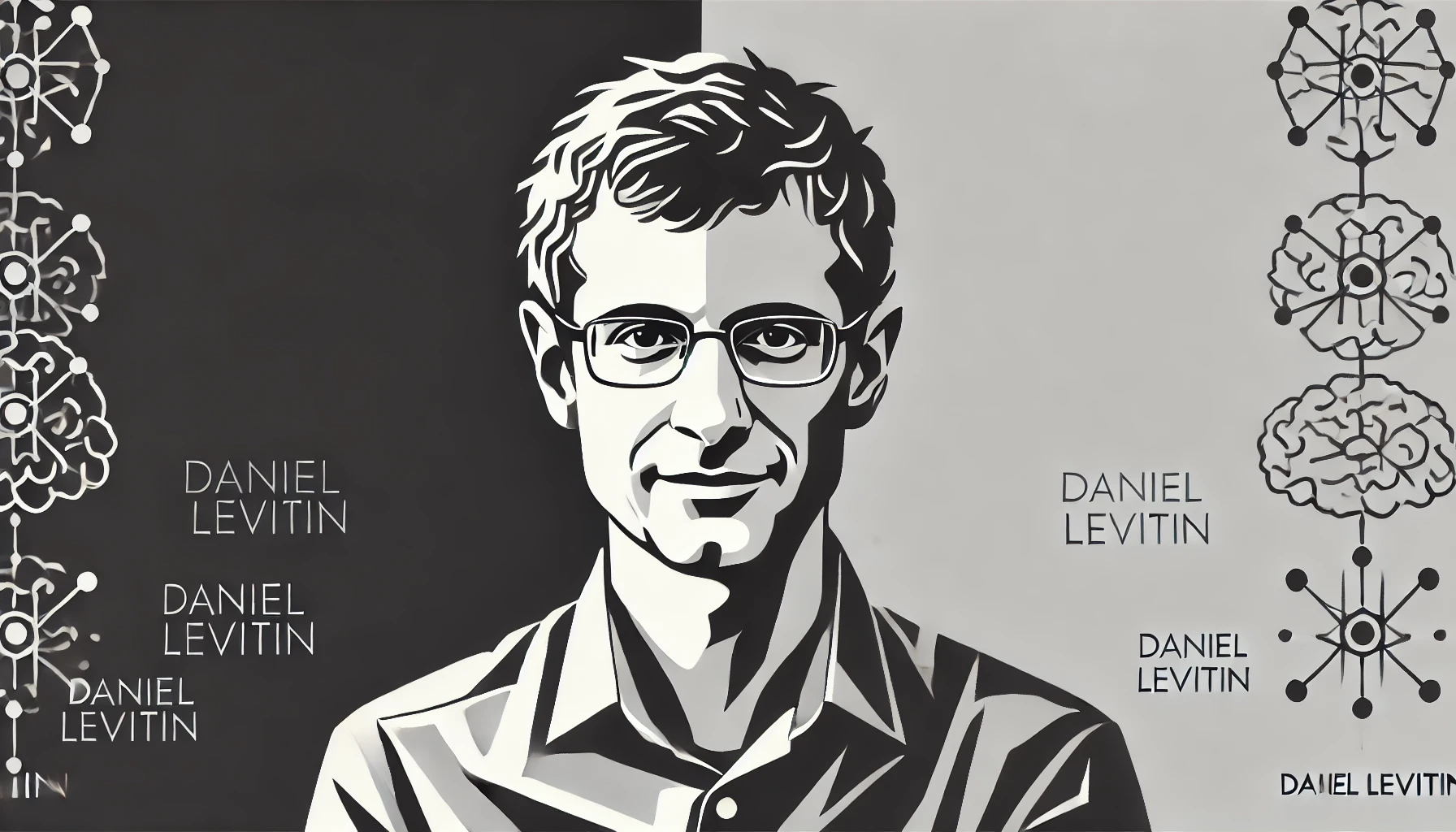
The Organized Mind by Daniel J. Levitin explores how our brains process and manage the vast amounts of information encountered in today’s digital age. Levitin, a neuroscientist, delves into the cognitive mechanisms behind attention, memory, and decision-making, offering practical strategies to enhance productivity and reduce cognitive overload.
“The human brain is incredible at storing data; the challenge is summoning up the right stuff at the right time, while not being distracted by the rest.”
~ Daniel J. Levitin
Information Overload
Levitin discusses the challenges posed by the modern world’s information explosion, noting that our brains are not equipped to handle the sheer volume of data we encounter daily. This overload can lead to decreased productivity, increased stress, and impaired decision-making.
“Our brains are busier than ever before… trying to deal with the decision-making, prioritizing, categorizing, and trying to figure out what matters and what doesn’t.”
~ Daniel J. Levitin
Externalizing Memory
To combat cognitive overload, Levitin suggests externalizing memory by using tools such as calendars, to-do lists, and note-taking apps. This practice offloads information from our brains, allowing us to focus on critical thinking and creativity.
“The most fundamental principle of the organized mind is to shift the burden of organizing from our brains to the external world.”
~ Daniel J. Levitin
Organizing Physical and Digital Spaces
Levitin emphasizes the importance of organizing both physical and digital environments to enhance efficiency. By decluttering and creating systematic arrangements, individuals can reduce distractions and streamline workflows.
“A place for everything, and everything in its place.”
~ Daniel J. Levitin
Decision-Making Strategies
The book introduces concepts such as “satisficing,” a decision-making strategy that involves searching through available alternatives until an acceptability threshold is met. Levitin also discusses the importance of understanding probabilities and expected value in making informed choices.
“Satisficing is a decision-making strategy or cognitive heuristic that entails searching through the available alternatives until an acceptability threshold is met.”
~ Daniel J. Levitin
The Role of Attention
Levitin explains that attention is a limited resource and multitasking can deplete cognitive energy. Focusing on one task at a time and minimizing distractions can lead to better performance and reduced mental fatigue.
“Multitasking comes at an actual metabolic cost: switching back and forth between tasks burns a lot more oxygenated glucose… than focusing on one task does.”
~ Daniel J. Levitin
Importance of Rest and Mindfulness
The author highlights the significance of rest, sleep, and mindfulness practices in maintaining cognitive health. Regular breaks and adequate sleep enhance memory consolidation and decision-making abilities.
“Neuroscientists have discovered that daydreaming and mind-wandering are vital to creativity and problem-solving.”
~ Daniel J. Levitin
Conclusion
The Organized Mind offers insights into managing information overload by understanding cognitive processes and implementing practical organizational strategies. By externalizing memory, organizing environments, and focusing attention, individuals can enhance productivity and navigate the complexities of the modern information landscape.
“The key to organizing our lives is to understand how our brains work, and to use that knowledge to create environments that are conducive to clear thinking.”
~ Daniel J. Levitin
Leave a Reply
You must be logged in to post a comment.