
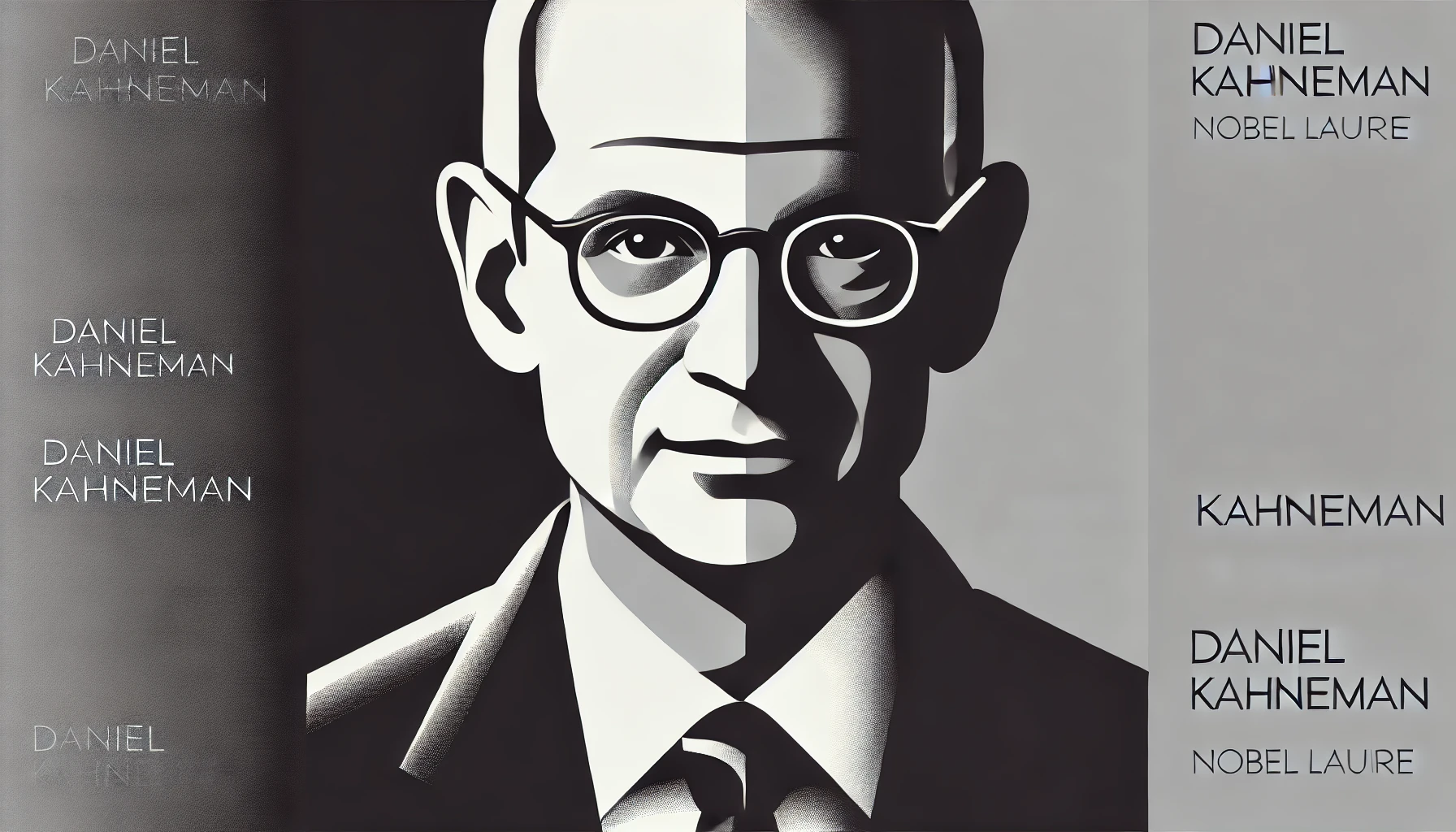
Introduction: Understanding the Two Systems of Thought
Thinking, Fast and Slow by Daniel Kahneman explores the cognitive processes that drive human decision-making. Kahneman introduces two systems of thought: System 1 (fast, intuitive, and automatic) and System 2 (slow, deliberate, and analytical). The interplay between these systems explains why we think and act the way we do, often leading to biases and errors.
Nothing in life is as important as you think it is, while you are thinking about it.
~ Daniel Kahneman
System 1: The Fast and Intuitive Thinker
System 1 operates automatically and quickly, with little or no effort. It relies on intuition, pattern recognition, and heuristics to make snap judgments. While efficient, it is prone to biases and errors because it often oversimplifies complex information.
Intuition is nothing more and nothing less than recognition.
~ Daniel Kahneman
System 2: The Slow and Analytical Thinker
System 2 requires effort and attention to analyze information and solve problems. It engages when tasks demand focus, such as solving math problems or making significant decisions. While more accurate than System 1, System 2 is energy-intensive and often defaults to System 1 when under strain.
Laziness is built deep into our nature.
~ Daniel Kahneman
Cognitive Biases and Heuristics
Kahneman delves into common cognitive biases and heuristics that arise from System 1’s shortcuts:
- Anchoring: Relying too heavily on an initial piece of information when making decisions.
- Availability Heuristic: Judging the probability of events based on how easily examples come to mind.
- Representativeness Heuristic: Making judgments based on stereotypes or perceived similarities.
A reliable way to make people believe in falsehoods is frequent repetition, because familiarity is not easily distinguished from truth.
~ Daniel Kahneman
Prospect Theory: How We Perceive Gains and Losses
Kahneman introduces prospect theory, which explains how people evaluate potential gains and losses. People tend to fear losses more than they value equivalent gains—a phenomenon known as loss aversion. This principle influences decision-making in ways that often defy logic.
Losses loom larger than gains.
~ Daniel Kahneman
Overconfidence and the Illusion of Understanding
Kahneman discusses how overconfidence leads people to overestimate their knowledge and underestimate uncertainty. This illusion of understanding can result in poor decisions, especially in complex situations. Kahneman emphasizes the importance of humility and recognizing the limits of our knowledge.
Overconfidence is fed by the illusory certainty of hindsight.
~ Daniel Kahneman
The Halo Effect and Framing
Kahneman explains the halo effect, where a positive impression of one attribute (e.g., attractiveness) influences perceptions of unrelated traits (e.g., intelligence). Similarly, framing refers to how the way information is presented affects decisions, even if the underlying facts remain the same.
What you see is all there is.
~ Daniel Kahneman
The Role of Emotions in Decision-Making
Emotions heavily influence System 1, often overriding rational thought. Kahneman explores how emotional reactions shape judgments, particularly in situations involving risk and uncertainty. He highlights the importance of self-awareness in managing emotional biases.
Our comforting conviction that the world makes sense rests on a secure foundation: our almost unlimited ability to ignore our ignorance.
~ Daniel Kahneman
Thinking Fast vs. Thinking Slow: When to Use Each
Kahneman advises recognizing when to rely on System 1’s intuition and when to engage System 2’s deliberation. Intuition is effective in familiar situations where quick judgments are needed, while analytical thinking is crucial for complex or high-stakes decisions.
Errors are much more likely when System 1 is in the driver’s seat.
~ Daniel Kahneman
Nudging and Behavioral Economics
Kahneman’s insights have significant implications for behavioral economics. By understanding how people think, policymakers and organizations can design “nudges” that guide better choices. For example, default options or reframing choices can help overcome biases and promote positive behaviors.
An experiment is a question which science poses to Nature, and a measurement is the recording of Nature’s answer.
~ Daniel Kahneman
The Limitations of Human Rationality
Kahneman concludes by emphasizing that human cognition is inherently flawed, but understanding these flaws can lead to better decisions. By recognizing biases and cultivating a balanced approach between intuition and analysis, we can improve both personal and professional decision-making.
We can be blind to the obvious, and we are also blind to our blindness.
~ Daniel Kahneman
This summary captures the essence of Thinking, Fast and Slow, offering insights into the cognitive processes that shape human behavior and decisions.
Leave a Reply
You must be logged in to post a comment.